


 English
  中文简体
中文简体 
 Home / News / Industry News / The Ultimate Guide to Combination Lock Boxes: Features, Uses, and Maintenance Tips
Industry News
The Ultimate Guide to Combination Lock Boxes: Features, Uses, and Maintenance Tips
2026-02-13
Introduction
What is a lock box with combination lock?
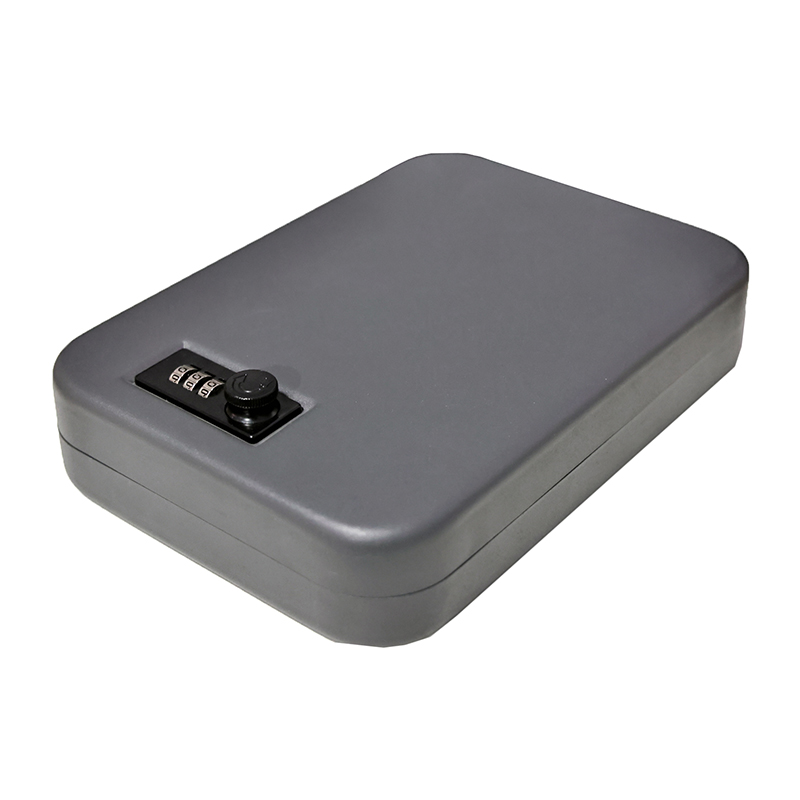
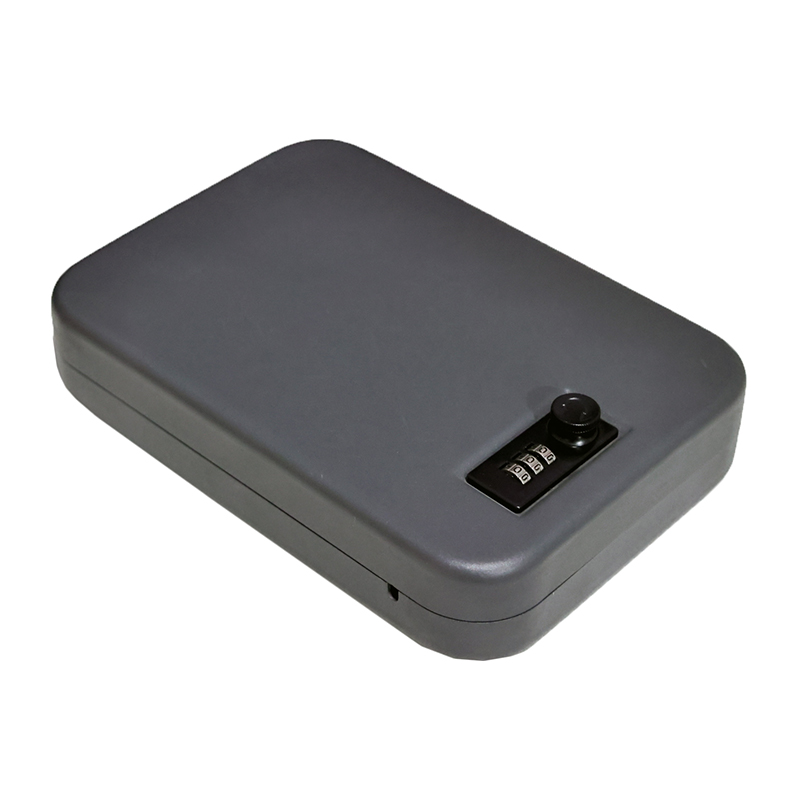
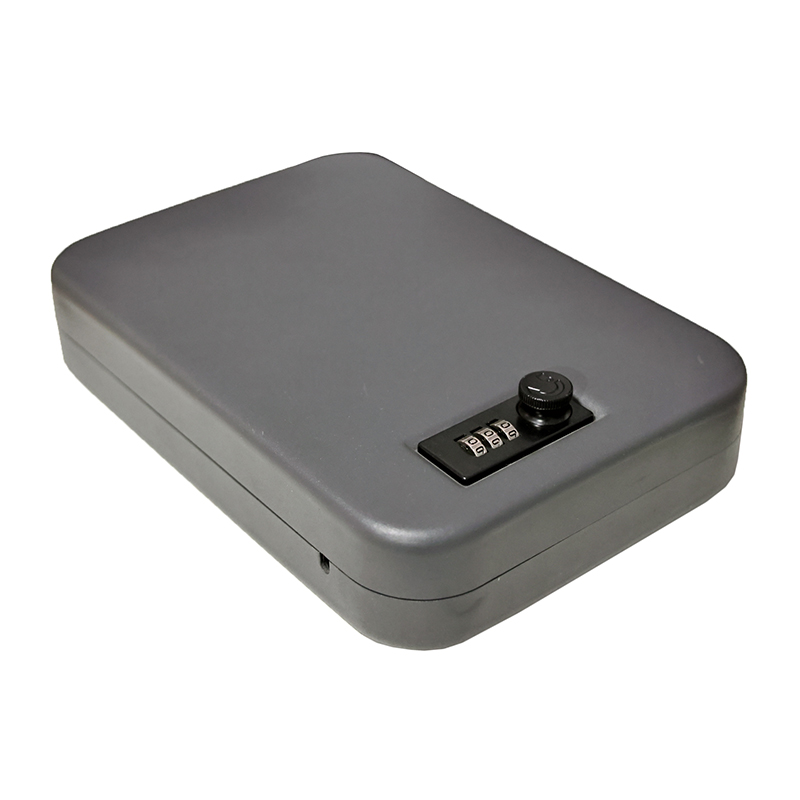
A Lock Box with Combination Lock is a physical storage device secured with a digital password mechanism, typically used for storing keys, valuables, or other small items. The lock box uses a set combination to ensure security, and only individuals who know the correct code can open it. Combining simple mechanical technology with modern security needs, lock boxes with combination lock have become an essential tool in everyday life. They are commonly used in both residential and commercial settings, as well as for outdoor activities, providing a secure and convenient way to protect and access personal belongings.
Why is it Better than a Key Lock?
Compared to traditional key locks, a lock box with combination lock offers several clear advantages. First, it eliminates the risk of losing keys. Keys are easy to misplace or forget, which can be frustrating and compromise security. In contrast, with a lock box with combination lock, you only need to remember a simple numeric code, removing the hassle of carrying and keeping track of physical keys.
Second, a lock box with combination lock makes managing access rights more flexible. You can easily share the combination with others, without worrying about key handovers or losing the keys. For example, when you need to give a spare key to a friend or family member, simply providing them with the combination is sufficient, eliminating the risks associated with physical key exchange. This is especially useful in rental properties, hotels, or offices where multiple parties need access.
Key Features and Technical Specifications
When selecting a lock box with combination lock, understanding the key features and technical specifications is crucial to ensuring the device meets your security and functional needs. Below are some of the most important aspects to consider:
Password Mechanism: 3-Digit vs. 4-Digit Codes
One of the most important aspects of a lock box with combination lock is its password mechanism. Most lock boxes with combination lock use a mechanical or digital code system that relies on a combination of numbers to unlock the box. The difference between a 3-digit and 4-digit password lies in the number of possible combinations and the corresponding level of security.
- 3-Digit Code: A 3-digit code offers 1,000 possible combinations (ranging from 000 to 999). While this is sufficient for many everyday uses, such as storing spare keys or other low-risk items, it is not as secure as a 4-digit system. The smaller number of possible combinations makes it more vulnerable to brute-force attacks, where an intruder could try all potential combinations.
- 4-Digit Code: A 4-digit code offers 10,000 possible combinations (ranging from 0000 to 9999), making it significantly more secure than a 3-digit system. This increased complexity greatly reduces the likelihood of the code being cracked by someone attempting to guess or use a brute-force approach. For high-security items, such as important documents, jewelry, or electronics, a 4-digit code is highly recommended.
While 3-digit combinations are generally adequate for many applications, the increased security provided by a 4-digit code makes it the more suitable choice for securing higher-value items or when you need to ensure a higher level of protection.
Material Durability: Alloy Steel vs. Reinforced Plastic
The material of the lock box plays a key role in its durability, resistance to tampering, and ability to withstand environmental factors. Below are the most common materials used for lock boxes:
- Alloy Steel: Alloy steel is a popular choice for lock boxes due to its strength and resistance to tampering. This metal is highly durable, offering excellent resistance against cutting, prying, and other forms of physical attack. Lock boxes made from alloy steel tend to be heavier and more robust, providing superior security. They are ideal for use in situations where maximum protection is needed, such as safeguarding valuable items in areas with higher risks of theft or damage.
- Reinforced Plastic: Many lock boxes, especially those designed for lighter use or for outdoor activities, are made with reinforced plastic. While plastic may not offer the same level of physical security as alloy steel, modern engineering has allowed for highly durable and impact-resistant plastic formulations. Reinforced plastic lock boxes are typically lighter and easier to transport, making them ideal for outdoor sports or situations where portability is key. Many of these boxes are designed with reinforced locking mechanisms to prevent tampering, and they often feature weatherproof designs that protect against the elements.
The choice between alloy steel and reinforced plastic often depends on the intended use of the lock box. If you're looking for something portable and lightweight, a reinforced plastic box may be a good fit. However, if you're concerned about high-security storage and resistance to tampering, an alloy steel lock box would provide more peace of mind.
Weather Protection: Waterproof and Dustproof Designs for Outdoor Models
If you plan to use your lock box with combination lock outdoors, it is essential to consider its weather protection capabilities. Weatherproofing ensures that the lock box remains functional and secure, even in harsh weather conditions. Here are some key weather protection features to look for:
- Waterproof: A waterproof lock box is crucial for outdoor use, especially if it will be exposed to rain, snow, or humidity. Many outdoor lock boxes feature a waterproof coating or a design that includes rubber seals around the lock mechanism, preventing water from entering the box and damaging the contents inside. This is especially important for storing sensitive items such as electronics, documents, or medication, as water damage can render these items unusable.
- Dustproof: Dust and dirt can be problematic, particularly in areas with high winds, deserts, or near beaches. A dustproof design ensures that sand, dirt, and other particles do not enter the lock box and interfere with its operation. This is achieved through tightly sealed locking mechanisms and covers that keep the internal components free from debris.
- UV Protection: In addition to being waterproof and dustproof, some lock boxes are also designed with UV-resistant coatings to prevent the materials from breaking down or discoloring when exposed to prolonged sunlight. UV protection is especially useful if the lock box is being used outdoors in direct sunlight, as it helps to preserve the integrity of the materials and prevents fading over time.
For outdoor enthusiasts, real estate agents, and anyone who needs to secure items outside, a lock box with combination lock with waterproof and dustproof features is a must-have. These features help ensure that your lock box performs reliably, regardless of the environmental challenges it faces.
Additional Features to Consider
While the password mechanism, material durability, and weather protection are the primary factors that define the functionality of a lock box with combination lock, there are several additional features that may enhance its usability:
- Shackle vs. Wall-Mounted Design: Lock boxes are available in two common installation types: shackle and wall-mounted. Shackle models are typically portable and can be attached to gates, doors, or other secure locations. Wall-mounted models, on the other hand, are designed to be installed directly onto a wall, providing a fixed and secure storage solution. The choice between the two depends on whether portability or a permanent installation is more important for your specific use case.
- Resetting Mechanism: Some lock boxes with combination lock feature an easy-to-use resetting mechanism that allows users to change the combination code when necessary. This feature is important for maintaining security, especially if you believe the code may have been compromised or shared with unauthorized individuals. Look for models that offer a straightforward resetting process, preferably without requiring a key or external tools.
- Backlight or Illuminated Dials: For those who need to access their lock box at night or in low-light conditions, a backlit dial or illuminated numbers can be an essential feature. This makes it easier to see the code, even in the dark, and enhances the overall user experience, especially if you frequently use the lock box outdoors in the evening.
- Tamper-Proof and Anti-Theft Features: Some high-security models come equipped with anti-theft and tamper-proof mechanisms, such as reinforced locking systems, thicker metal construction, and more complex combinations. These features help protect against unauthorized access and make it more difficult for thieves to break into the box.
Common Use Cases
lock boxes with combination lock have gained popularity in various settings due to their versatility, convenience, and security. These lock boxes are used in both residential and commercial environments and can be found in homes, workplaces, and outdoor spaces.
Real Estate and Short-Term Rentals: Storing Spare Keys for Guests and Buyers
One of the most prevalent uses of lock boxes with combination lock is in real estate and short-term rental markets. For homeowners, real estate agents, and property managers, providing easy and secure access to properties is essential. lock boxes with combination lock are an ideal solution for storing spare keys, allowing guests, tenants, or potential buyers to access the property without the need for face-to-face meetings or key handovers.
- For Vacation Rentals: Many short-term rental hosts use lock boxes with combination lock to store keys for guests. This system allows guests to check-in and check-out at their convenience without waiting for a physical key exchange. The host simply sets a code for the lock box, and the guest can use the combination to access the keys. This method is especially valuable for hosts who may not live locally, as it eliminates the need for someone to be present during check-in.
- For Real Estate Sales: Real estate agents frequently use lock boxes to store keys for property showings. A lock box enables potential buyers to access a property without the agent needing to be present. This increases the flexibility of showing times and improves the overall efficiency of the sales process. By using a lock box with combination lock, agents can provide access while maintaining control over who enters the property.
- For Multiple Tenants or Shared Spaces: In multi-unit buildings or shared spaces, landlords can store spare keys in lock boxes, enabling authorized individuals to retrieve them when needed. For example, maintenance workers or cleaning staff can access certain areas of the building without needing to track down the building manager or a resident to obtain the keys.
The ability to easily share access while maintaining control over security is what makes lock boxes with combination lock so popular in these situations.
Home Security: Storing Valuables, Prescription Medication, and Electronics
In addition to being used in real estate and rentals, lock boxes with combination lock are also highly effective for personal home security. Many people use these lock boxes to store valuable items that they want to keep safe from theft, damage, or unauthorized access. The convenience of setting a code means that homeowners can quickly access their valuables while keeping them secure from others.
- Valuable Jewelry: Storing expensive jewelry in a lock box with combination lock is an effective way to safeguard these items. Whether it's rings, necklaces, watches, or heirlooms, a lock box with combination lock provides peace of mind by keeping valuable jewelry out of sight and secure. This is particularly useful in homes where there are frequent visitors, like cleaners, maintenance workers, or guests who might have access to private areas.
- Prescription Medications: Many individuals use lock boxes to store prescription medications safely. This is especially important for households with children, teenagers, or individuals who may misuse or access medication without proper authorization. A lock box with combination lock ensures that only authorized persons can access the medicine, preventing accidents or misuse.
- Electronics and Digital Devices: Storing laptops, tablets, cameras, and other valuable electronics in a lock box with combination lock is an excellent way to ensure their safety. These devices are expensive and often contain personal, sensitive data, so securing them in a lock box adds an extra layer of protection. This is especially useful for homes with children, roommates, or multiple people who might use or borrow electronics without permission.
- Sensitive Documents: Important documents, such as passports, social security cards, birth certificates, and legal papers, can be securely stored in lock boxes with combination lock. This ensures that sensitive information remains safe from unauthorized access while still being accessible when needed.
By providing a secure, easily accessible place to store valuable items, lock boxes with combination lock offer an effective way to protect personal belongings and reduce the risk of theft or damage.
Outdoor Activities: Safely Storing Car Keys During Beach, Hiking, or Fitness Activities
For people who enjoy outdoor activities, lock boxes with combination lock can be a life-saver. Whether at the beach, hiking in the mountains, or working out at the gym, these lock boxes offer a safe and secure way to store personal items, such as car keys, wallets, or smartphones, while engaging in physical activities.
- At the Beach: When heading to the beach, most people are concerned about leaving their personal belongings unattended. A lock box with combination lock allows beachgoers to safely store their car keys, credit cards, and other valuables while they swim, surf, or sunbathe. Simply lock the box to a secure location like a fence or railing, and enjoy the water without worrying about losing your belongings.
- While Hiking or Camping: Outdoor enthusiasts who enjoy hiking or camping often need a safe place to store their keys, phones, and other valuables while they are out exploring nature. A lock box with combination lock can be easily attached to a tree or a campsite fixture, providing a safe location for storing important items while enjoying the outdoors. This is especially important when hiking in remote areas, where the risk of theft is minimized but the need for secure storage remains.
- At the Gym: Gym-goers often face the dilemma of leaving their personal items, such as wallets, phones, or car keys, in a locker that may not always be as secure as they would like. A lock box with combination lock offers a more secure alternative. With a compact, portable design, individuals can lock their valuables in a box and store it in a gym bag or securely fasten it to a stationary object inside the gym.
These outdoor scenarios highlight the lock box's portability and security, allowing users to enjoy their activities without compromising the safety of their personal belongings.
Emergency Situations: Providing Medical or Emergency Access for Seniors or Lone Individuals
In emergency situations, a lock box with combination lock can be an invaluable tool for ensuring access to important medical supplies or providing emergency responders with immediate access to a home. This is especially useful for elderly individuals or those living alone who may need medical assistance or emergency access in case of an accident.
- Medical Access for Seniors: For elderly people who live independently, having a lock box with combination lock with emergency access can be a lifesaver. The lock box can store medical supplies, such as emergency medication, first aid kits, or other necessary equipment. In the case of an emergency, trusted family members, caregivers, or medical professionals can access these items quickly without delay.
- Providing Emergency Access to Homes: Many homeowners use lock boxes with combination lock to securely store keys for emergency personnel. This is particularly beneficial in situations where a person is unable to answer the door or provide access to their home during an emergency. By placing a key inside the lock box, emergency responders (paramedics, firefighters, etc.) can quickly enter the home if necessary. This ensures that help can be provided without unnecessary delays, and it can be a crucial tool for those with health concerns or who live alone.
- Ensuring Access for Caregivers: Individuals who rely on caregivers for assistance can benefit from a lock box with combination lock as a secure means of storing keys. A caregiver can access the home as needed, ensuring that the individual receives timely care while maintaining security and privacy.
In these cases, the lock box provides a critical role in facilitating emergency access, ensuring that help is available when it is most needed.
How to Choose the Best Lock Box for Your Needs
Choosing the right lock box with combination lock for your needs involves considering various factors such as capacity, installation type, ease of resetting the combination, visibility, and security features. Each of these aspects can significantly impact the effectiveness and convenience of the lock box.
Capacity: Key-Only vs. Storing Larger Items (Passports, Phones, Cash)
When selecting a lock box with combination lock, one of the most important factors to consider is the capacity of the lock box. Depending on what you intend to store, you'll need to choose a lock box with an appropriate size and internal organization. Here are some points to think about:
Key-Only Lock Boxes: If you're primarily storing keys—whether it's for your home, a rental property, or a secure location—a compact lock box with a small internal compartment will suffice. These types of boxes are often lightweight and portable, making them ideal for quick access to spare keys. They are great for situations like storing keys for vacation rentals or real estate showings.
Lock Boxes for Larger Items: If you need to store larger items such as passports, mobile phones, electronics, or even cash, you should opt for a lock box with a larger storage area. Look for models that offer ample space, organizational compartments, or a flexible internal design that can securely hold your items. For example, lock boxes designed for valuables often come with foam padding or adjustable dividers to keep items safe from scratching or damage.
For Multiple Keys or Larger Inventories: If you need to store several keys or a combination of smaller items (like credit cards, a spare wallet, or small electronics), consider a lock box with a larger capacity. Models with customizable internal compartments will allow you to organize the contents and access them easily without the risk of them jostling around or getting damaged.
When deciding on capacity, it’s essential to evaluate what you’ll most commonly store and choose a lock box that offers flexibility while providing adequate security for the items.
Installation Method: Shackle vs. Wall-Mounted
The installation method of the lock box will determine where and how it can be used. There are two common types of lock box installations: shackle (portable) and wall-mounted. Both options have their benefits, and the right choice depends on your intended use.
Shackle (Portable) Lock Boxes: These lock boxes come with a metal loop or shackle that allows you to easily secure the box to a gate, railing, doorknob, or another fixed object. The major advantage of a shackle lock box is its portability. It is ideal for situations where you need quick access to the box and may need to move it around frequently. For example, beachgoers or gym-goers can easily attach and detach the box to secure their valuables while engaging in activities.
A portable lock box is also perfect for those who don’t want to make permanent installations or who need to secure the box at various locations. You can hang it on a fence, on a door handle, or on any surface that will allow the shackle to fit securely.
Wall-Mounted Lock Boxes: Wall-mounted lock boxes, as the name suggests, are designed to be permanently fixed to a wall, making them ideal for those seeking a permanent and highly secure solution. These lock boxes are ideal for situations where the box will stay in a single location, such as in homes, offices, or rental properties. They are great for situations like storing spare keys for maintenance workers or tenants in apartment complexes.
Wall-mounted models tend to be more secure than portable ones since they cannot be easily moved or stolen. Once fixed to a wall, the lock box becomes a permanent fixture that can only be accessed by those with the correct combination. Wall-mounted lock boxes are also better suited for larger items since they typically offer more space for secure storage.
When choosing between a shackle and a wall-mounted lock box, consider the level of permanence and security you need. If you need flexibility and portability, a shackle model will suit you best. If you require a more secure, fixed storage solution, a wall-mounted box is the better option.
Resetting Mechanism: Ease of Changing the Combination and Anti-Tamper Features
The resetting mechanism is another crucial consideration when selecting a lock box. Being able to change the combination code is vital for maintaining security, especially if you believe the code has been compromised or shared. However, ease of resetting the combination varies from model to model, and you’ll need to balance convenience and security.
Ease of Resetting: Many lock boxes with combination lock feature a simple resetting mechanism that allows users to easily change the combination code. This is typically done by pressing a reset button and entering a new code, following the manufacturer’s instructions. Some models even allow you to change the combination without the use of a key or tools, making it easy for you to update the code whenever needed. This feature is particularly useful for situations where you want to update the code regularly for added security.
Anti-Tamper Design: While it’s important that the resetting process be straightforward, it is equally important that the reset function is tamper-proof. Look for models that feature anti-tamper mechanisms, which prevent unauthorized access to the resetting function. Some boxes have hidden or internal reset buttons that can only be accessed by opening the box, making it difficult for someone to change the combination without physically opening the lock box. This ensures that your combination remains private and protected from tampering.
Additionally, consider whether the lock box features error-prevention mechanisms to avoid accidental resetting or misinput of the combination. Some models include a system that prevents you from inadvertently changing the code while entering it, ensuring the process remains secure.
Visibility: Do You Need a Backlit Dial for Nighttime Use?
Visibility is an often-overlooked factor when selecting a lock box with combination lock, but it can be extremely important in certain situations. If you plan on accessing your lock box at night or in low-light environments, having a backlit dial or illuminated numbers will make the process much easier.
Backlit or Illuminated Dials: Some lock boxes come equipped with illuminated dials or backlighting, which can be very useful for nighttime access. A backlit lock box allows you to clearly see the numbers or dial in dark conditions, ensuring that you can easily enter the combination and access your items. This is especially important for outdoor use, where low light is common, such as when securing keys on a late-night walk or at a campsite.
Non-Backlit Dials: On the other hand, if you plan on using your lock box during the day or in well-lit environments, you may not need a backlit dial. Non-illuminated models may be more durable and have longer-lasting batteries if they are powered electronically. They also tend to be more affordable than their backlit counterparts.
When deciding whether a backlit lock box is necessary, think about when and where you will be using the box most often. If nighttime or low-light conditions are common for you, it’s worth investing in a model with backlighting. Otherwise, a standard model will likely suffice.
Security Features: Reinforced Construction, Anti-Theft Mechanisms, and Weather Resistance
While many of the above features focus on ease of use, it’s also critical to consider security features when choosing a lock box with combination lock. The primary purpose of the lock box is to secure valuable items, so it should be made from high-quality, tamper-resistant materials. Here are some security features to look for:
Reinforced Construction: For maximum security, look for lock boxes made from durable materials like alloy steel or reinforced plastic. These materials are harder to break into and offer superior protection against tampering, cutting, and prying. Some models are also equipped with reinforced locking mechanisms or multi-point locks to make them even more resistant to attacks.
Anti-Theft Features: To prevent unauthorized access, choose lock boxes with anti-theft mechanisms, such as shrouded or concealed locking mechanisms that are difficult to tamper with. Some models even feature motion sensors or alarm systems that can alert you to unauthorized attempts to open the box.
Weather Resistance: If you plan on using the lock box outdoors, ensure that it has adequate protection against the elements. A weather-resistant design can protect your lock box from the effects of rain, snow, dust, and UV damage. For outdoor models, consider lock boxes with waterproof seals, dustproof enclosures, and UV-resistant coatings
| Feature | Key-Only Storage | Larger Item Storage (Passports, Phones, Cash) | Shackle (Portable) Lock Box | Wall-Mounted Lock Box |
| Capacity | Small and compact, fits a few keys | Larger, can hold valuables like passports, phones, cash | Portable and compact for quick access | Larger capacity, fixed storage solution |
| Installation Method | No installation required | No installation required | Can be secured to gates, doors, or other fixed objects | Fixed installation on a wall for permanent security |
| Ease of Resetting Combination | Simple and easy to reset | Easy to reset with user-friendly systems | Easy to reset without needing external tools | Resetting may require tools or more complex steps |
| Visibility (Backlit Dial) | Standard dial | May or may not have backlit dials | Ideal for outdoor use, backlit models available | Backlit models ideal for night access |
| Weather Resistance | Not typically weather-resistant | May be weather-resistant depending on design | Suitable for outdoor environments, often weatherproof | Great for fixed outdoor locations with weather protection |
| Security Features | Basic security, primarily for keys | Enhanced security with reinforced materials for valuables | Good for portable use but may lack top-level security | Typically more secure with tamper-proof features and heavy-duty materials |
Safety & Maintenance Tips
Using a lock box with combination lock effectively and maintaining it in good condition is essential for ensuring its continued security and functionality. By following a few key safety practices and maintenance tips, you can ensure that your lock box remains secure and operational for years to come.
How to Set a Strong Password: Avoid “0000” or Sequential Numbers
One of the most important aspects of using a lock box with combination lock is selecting a strong password. A weak or easily guessable password can compromise the security of your items. Here are some guidelines for setting a password that maximizes security:
- Avoid Simple Combinations: Refrain from using obvious or simple combinations like "0000," "1234," or "1111." These combinations are among the first to be tried by anyone attempting to break into the lock box. While these combinations are easy to remember, they offer very little security.
- Avoid Sequential Numbers: Combinations that use sequential numbers like "1234," "5678," or "9876" are also vulnerable to being guessed quickly. Similarly, combinations that repeat the same number (e.g., "2222") are easy for a potential intruder to figure out. While convenient, these numbers lack the complexity required for secure access.
- Choose a Random Sequence: Instead of using simple patterns or sequences, choose a random combination of numbers. The more unpredictable the code, the harder it will be for someone to guess. Ideally, the combination should be long enough (e.g., 4 digits or more) to ensure the number of possible combinations is sufficiently high. For a 4-digit code, there are 10,000 possible combinations (0000 to 9999), which provides a much higher level of security than a 3-digit code with only 1,000 possible combinations.
- Consider Using a Passphrase or Memorized Sequence: Some people prefer using a passphrase or a sequence that only they would know but isn’t easily guessable. For example, instead of choosing a random set of numbers, you could use something meaningful to you but not easily found (like a memorable year or significant event, combined with other digits to increase complexity).
The goal is to create a combination that is difficult to guess, while still being memorable for you. Remember, if you make your password too complex and forget it, it may be harder to reset, so balance complexity with memorability.
Regularly Update Your Password: Recommended Every 3 Months
Another important aspect of maintaining the security of your lock box with combination lock is regularly updating the password. Even the most secure combination can eventually be compromised, especially if it’s used for an extended period. Changing your password periodically adds an extra layer of protection and minimizes the risk of unauthorized access. Here’s why and how to do it:
Why Change Your Password Regularly?
- Decreased Risk of Theft: Over time, someone could learn or guess your code. Periodically changing it reduces the chances of this happening.
- Peace of Mind: Regular password updates give you the assurance that even if someone has gained access to your old code, it’s no longer valid.
- Good Security Hygiene: Like other security protocols, regularly changing passwords is a good habit to adopt, especially for sensitive items such as keys, documents, or valuables.
How Often Should You Change It?
- It is recommended to change your password at least every 3 months. For higher-risk scenarios, such as when the lock box is used by multiple individuals or for highly valuable items, changing the password more frequently (e.g., once a month) may be prudent.
- Setting Reminders: Many people forget to change their passwords regularly. To avoid this, set reminders on your phone or calendar to prompt you every three months to update the combination. This ensures you stay on top of your lock box security.
By regularly changing the password, you help ensure that your lock box remains secure even if someone has attempted to crack your code or if you suspect unauthorized access.
Lubrication and Cleaning: Prevent Sticking and Extend Lifespan
The internal mechanism of a lock box with combination lock can wear down over time, especially with frequent use. If the lock mechanism becomes stiff, it may become difficult to turn, which could compromise the functionality of your box. Regular lubrication and cleaning can help prevent these issues and extend the lifespan of the lock box.
Lubricating the Lock Mechanism:
- Use a Graphite Lubricant: A graphite-based lubricant is often recommended for mechanical combination locks. Graphite is a dry lubricant that doesn’t attract dirt or grime, unlike oil-based lubricants. Applying graphite lubricant to the lock mechanism helps keep the internal components moving smoothly and reduces friction, preventing the dial from becoming sticky or difficult to turn.
- How to Apply: Insert the graphite powder into the keyhole or around the lock’s rotating parts (e.g., the dial or combination wheels) using a small tube or applicator. Turn the dial a few times to distribute the graphite inside the lock.
Cleaning the Lock Box:
- Keep It Clean: Dirt, dust, and moisture can build up inside the lock box, especially if it’s used outdoors. This buildup can cause the combination dial to become sticky or unresponsive. To prevent this, regularly clean the exterior and interior of the box. Use a soft cloth or brush to wipe away any dirt or debris from the surface and around the lock mechanism.
- Check for Rust: If you live in a humid or coastal area, be sure to check for signs of rust. Even if your lock box is made of weather-resistant materials, rust can still form over time. Use a rust remover or clean the affected area with a wire brush to remove any rust buildup.
- Testing the Lock Regularly: After lubrication and cleaning, test the lock a few times to ensure that the mechanism operates smoothly and the combination is still functional. This regular testing can help identify any issues early before they become more serious.
By taking the time to clean and lubricate your lock box with combination lock, you ensure that the locking mechanism remains smooth and reliable, which prolongs its useful life.
What to Do If You Forget Your Password?
Forgetting your combination can happen to anyone, especially if you haven’t used your lock box in a while or if you’ve been changing passwords frequently. While a lock box with combination lock is designed to be secure, there are steps you can take if you forget the code. However, it's essential to understand the limitations and potential difficulties involved in resetting or recovering the password.
How Difficult Is It to Break the Combination?
- lock boxes with combination lock are designed to provide a high level of security, so breaking into one isn’t easy. Depending on the complexity of the password (e.g., a 4-digit code), it can take a significant amount of time for someone to try all possible combinations. However, if the combination is simple, like "1234" or "0000," it could be guessed in a matter of minutes. Stronger combinations are harder to crack, but no lock is entirely foolproof.
Manufacturer Resetting Solutions:
- No Universal Reset Method: Unfortunately, there is no universal solution for resetting the password on all lock boxes with combination lock. Some manufacturers provide specific instructions on how to reset the code if you forget it, but this is usually done through a backup key, a master reset tool, or a specific reset procedure. You may be required to provide proof of ownership before a reset is performed for security reasons.
- Factory Reset Option: Some lock boxes may have a factory reset function that allows you to reset the combination, but this often requires accessing the internal mechanism. For electronic models, you may need to disconnect the power source or use a master key or override pin to reset the system.
What If No Reset Option Is Available?
- If the lock box has no reset function and you’ve forgotten the password, you may need to resort to contacting the manufacturer’s customer support. Some companies offer assistance to customers who have forgotten their combination, while others may not provide such services for security reasons.
- Professional Help: In extreme cases, a locksmith may be able to help you open the lock box, but this service can be expensive. However, most lock boxes with combination lock are designed to be tamper-resistant, so professional locksmiths may not always be able to bypass the lock without damaging the box.
References / Sources
- Security Lock Boxes: A Comprehensive Guide. (2022). Locksmiths’ Association of America.
- Best Practices for Password Security. (2021). National Cybersecurity Center.
- Lock Box Maintenance and Troubleshooting. (2020). Home Security Products Handbook.
- Consumer Product Reviews: Combination Lock Boxes. (2023). Consumer Reports.
- The Role of Weather Resistance in Outdoor Security Products. (2019). Outdoor Security Solutions Journal.
-

Arnostanley Electric is committed to providing customers with home security OEM and ODM services, as well as comprehensive professional solutions.
-
Product List
Pistol Safe Lock Box Gun Cabinet Home Safe Safe Accessories Product Customization -
Contact Info.
+86-(0)574-6248 327+86-180 6720 2630Lucas_zhu@arnostanley.comNo.16 Beixing East Road, Yuyao City, Zhejiang Province, China -
Follow Us
Copyright © 2025 Ningbo Arnostanley Electric Co., Ltd. ALL Rights Reserved.
Custom Secure Storage Solutions Suppliers
