

 English
  中文简体
中文简体 


When you invest in a home safe, choosing the right location is just as important as the safe itself. A poorly placed safe—even a high-quality one—can be discovered, removed, or bypassed by a determined intruder in minutes. Understanding where to put a safe in your home requires thinking like a burglar, considering structural anchoring options, and balancing security with everyday convenience.
Why Placement Matters as Much as the Safe Itself
Most residential burglaries last fewer than ten minutes. Thieves prioritize speed and move predictably through a home, targeting the master bedroom first, then common living areas, and rarely venturing into basements, garages, or utility rooms. A safe placed in an obvious location—such as a bedroom closet—gives an intruder a clear target. One hidden in a less-visited area, or permanently anchored to the structure of your home, dramatically reduces the risk of theft.
Beyond burglary, the right placement also protects your safe's contents from fire and flood damage, two risks that many homeowners overlook entirely.
The Safest Locations to Place a Home Safe
1. Anchored to a Concrete Floor in the Basement
From a pure security standpoint, a basement is one of the safest places to install a home safe. Concrete floors allow for robust anchor bolts that make removal nearly impossible without heavy equipment. Basements are also among the last places burglars search, since they take extra time to access and are more likely to have only one exit route.
For fire protection, lower floors tend to experience less intense heat during a house fire, as heat rises. However, basements are more susceptible to flooding, so if you live in a flood-prone area, elevate the safe on a concrete platform or choose a floor above grade.
2. Inside a Bedroom Closet—But Not the Master Bedroom
The master bedroom closet is the single most targeted location in a home burglary. Criminals know this is where most people keep cash, jewelry, and documents. If you must use a bedroom closet, choose a guest room or a child's room closet instead. These areas are far less likely to be searched during a quick, opportunistic break-in.
Whichever closet you use, always bolt the safe to both the wall studs and the floor. A safe that is not anchored can be carried out of the home and opened at leisure.
3. Behind a Hidden Wall Panel or Inside a Wall
Wall safes—those installed flush within the wall cavity between studs—are excellent for concealment. When covered with a mirror, artwork, or a piece of furniture, they are nearly invisible to anyone who does not know where to look. The primary advantage is that they cannot be easily removed without destroying the surrounding wall, which takes far more time than most burglars are willing to spend.
The limitation of most wall safes is size: the space between standard wall studs (typically 14.5 inches wide) restricts what you can store. They are best suited for documents, passports, smaller amounts of cash, and firearms rather than bulky valuables.
4. Embedded in the Garage Floor
A floor safe set into a concrete garage floor and covered by a floor mat, a workbench, or even a vehicle is a highly secure option. Floor safes are extremely difficult to remove without drilling equipment, and their concealment potential is excellent. Because garages are not always the primary target of home intruders, the combination of difficulty and obscurity works strongly in your favor.
Moisture is the main concern with in-ground safes. Ensure the safe is rated for underground installation and that the surrounding concrete is properly sealed to prevent water infiltration over time.
5. A Home Office, Rarely Used Room, or Utility Space
Rooms that burglars rarely visit—a dedicated home office, a utility room, a laundry room, or a formal dining room—can be effective locations for a safe, particularly when the safe is anchored and partially concealed. A heavy safe tucked behind appliances, inside a built-in cabinet, or beneath a staircase offers both physical resistance and the advantage of obscurity.
Where You Should Avoid Placing Your Safe
The Master Bedroom Closet (Without Serious Anchoring)
As noted above, this is the first place most thieves look. If this is your only option, invest in heavy-gauge steel construction, anchor the safe to the floor and wall simultaneously, and consider adding a secondary level of concealment such as a clothing rod or shelving unit in front of it.
Under the Bed
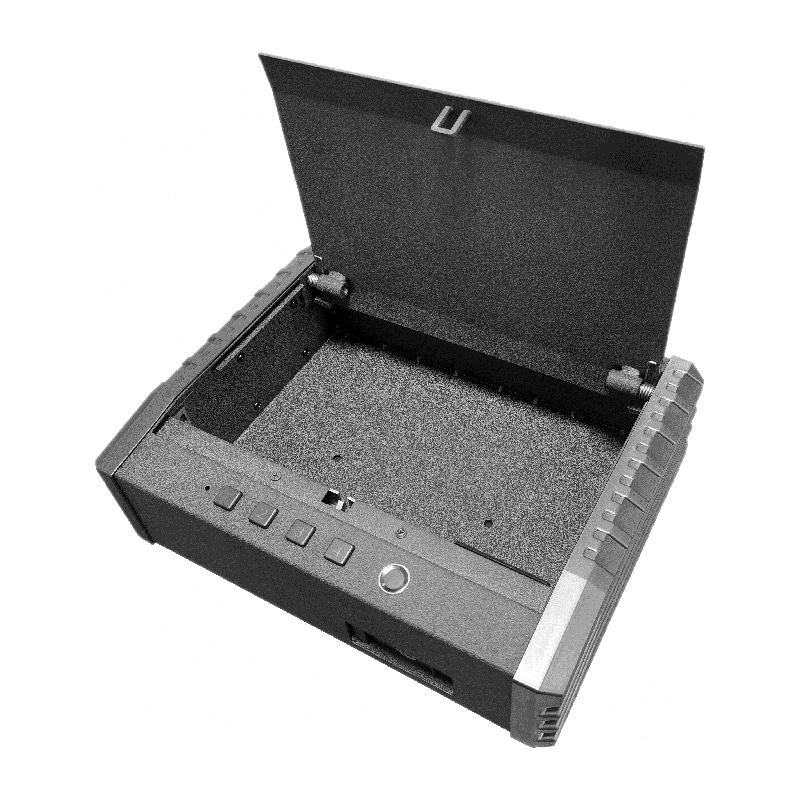
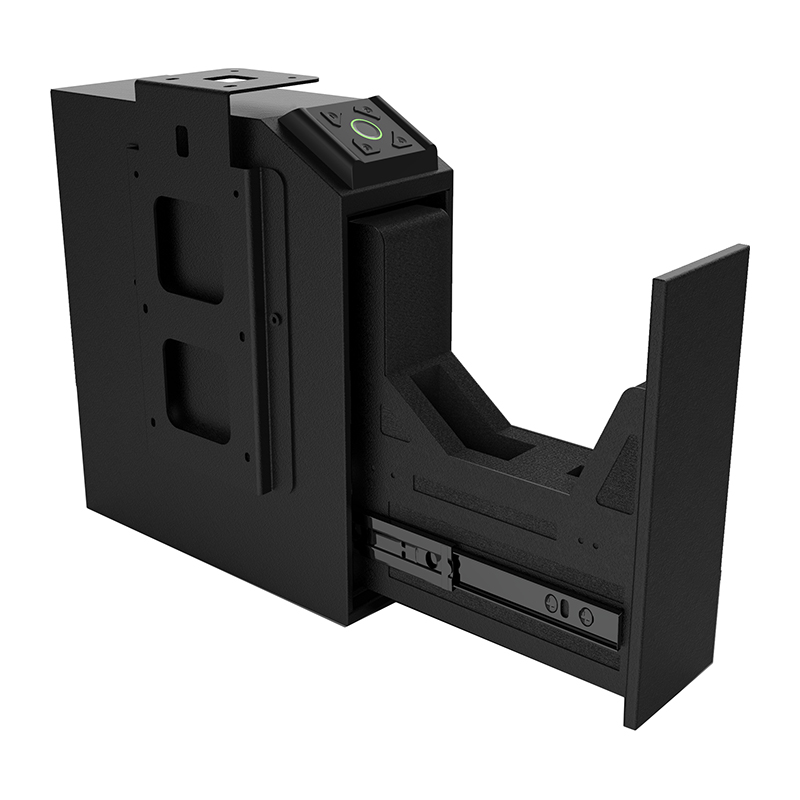
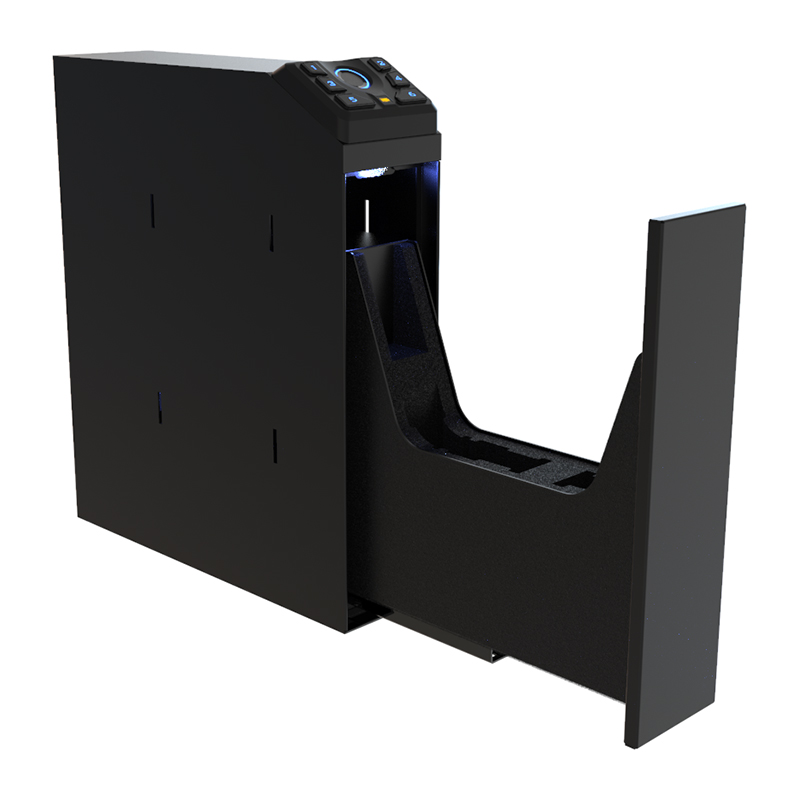
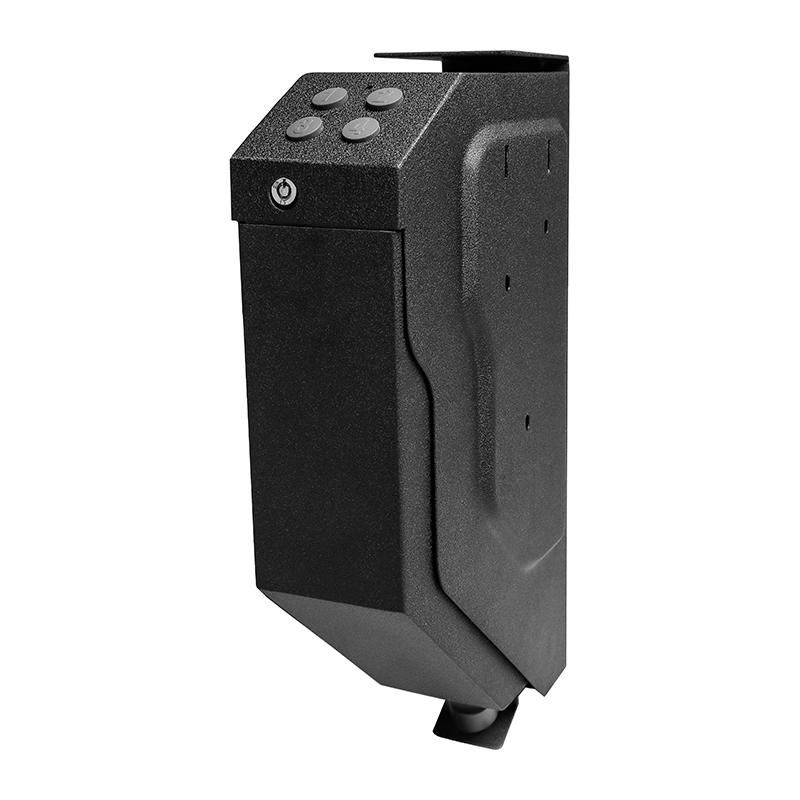
While under-bed safes are marketed for quick access—particularly for firearms—they are highly visible and rarely anchored securely. This location is convenient but not genuinely secure for high-value items.
On an Upper Floor Without Anchoring
Upper floors pose two problems: an unanchored safe can be tipped and rolled, and it is far more exposed to fire damage, since heat accumulates at the top of a burning structure. If you must place a safe on an upper floor, anchor it to a load-bearing wall and choose a fire-resistant model rated for at least one hour of protection.
Key Factors to Consider When Choosing a Location
Anchoring Capability
Any safe weighing less than 750 pounds (about 340 kg) can theoretically be carried out by two people. Most home safes weigh far less than this. Anchoring to concrete or to wall studs with lag bolts is essential regardless of the safe's weight.
Concealment vs. Accessibility
The ideal location balances how well the safe is hidden with how easily you can access it when needed. A safe buried behind boxes in a rarely used room offers excellent concealment but poor accessibility in an emergency. Consider your primary use case: daily access to a firearm requires a different approach than long-term storage of documents and jewelry.
Fire and Flood Risk
Check the fire rating of your safe before choosing its location. A safe rated for 30 minutes of fire protection placed on an upper floor may not adequately protect paper documents, which begin to char at around 177°C (350°F). For documents, look for UL-rated safes offering at least 60 minutes of protection. For flood risk, keep the safe above the potential waterline and ensure any floor or basement installation has drainage nearby.
Environmental Conditions
Garages and basements can experience significant temperature and humidity fluctuations. High humidity accelerates rust inside an unprotected safe and can damage sensitive documents and electronic media. Consider placing desiccant packets inside the safe or installing a small dehumidifier rod if the chosen location tends to be damp.
In-Wall vs. Floor Safes vs. Freestanding Safes: A Location Comparison
Each safe type has a natural best location. In-wall safes work best in interior walls away from exterior exposure, ideally in low-traffic rooms. Floor safes are best suited for concrete slabs in basements or garages where anchoring is maximally effective. Freestanding safes offer the most flexibility but absolutely must be anchored—they are frequently stolen because owners neglect this step.
The Role of Diversion and Layered Security
Security professionals often recommend using a decoy safe alongside a primary one. Placing a small, inexpensive safe in an obvious location—such as the master bedroom closet—stocked with a modest amount of cash and costume jewelry can satisfy a hurried burglar. Your real safe, properly anchored in a less obvious location, remains undiscovered.
Combining a well-placed safe with a home security system, motion-activated lighting, and reinforced entry doors creates layers of protection that make your home a far less attractive target overall.
Final Recommendation
The single safest place to put a home safe is a basement concrete floor, anchored with heavy-gauge lag bolts, in a corner or behind a piece of furniture that limits visual access. If a basement is not available, an anchored wall safe in a low-traffic room—concealed behind artwork or a built-in cabinet—is the next best option. Wherever you choose to install your safe, remember that concealment, anchoring, and appropriate fire and flood resistance together determine how well it will protect what matters most to you.