Why Is the Evolution of Gun Cabinet Design Crucial for Modern Home Security?
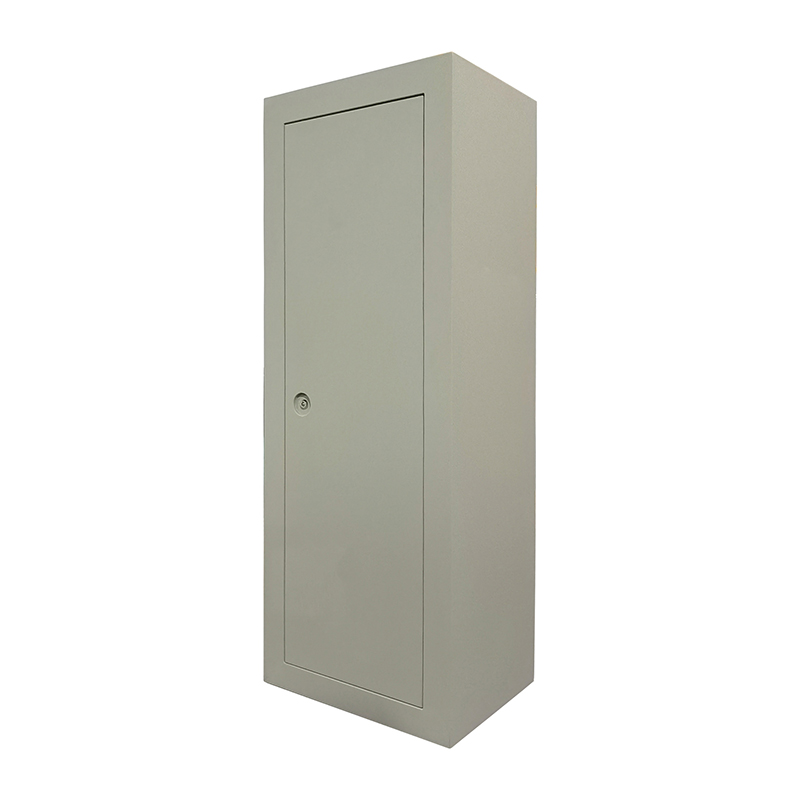
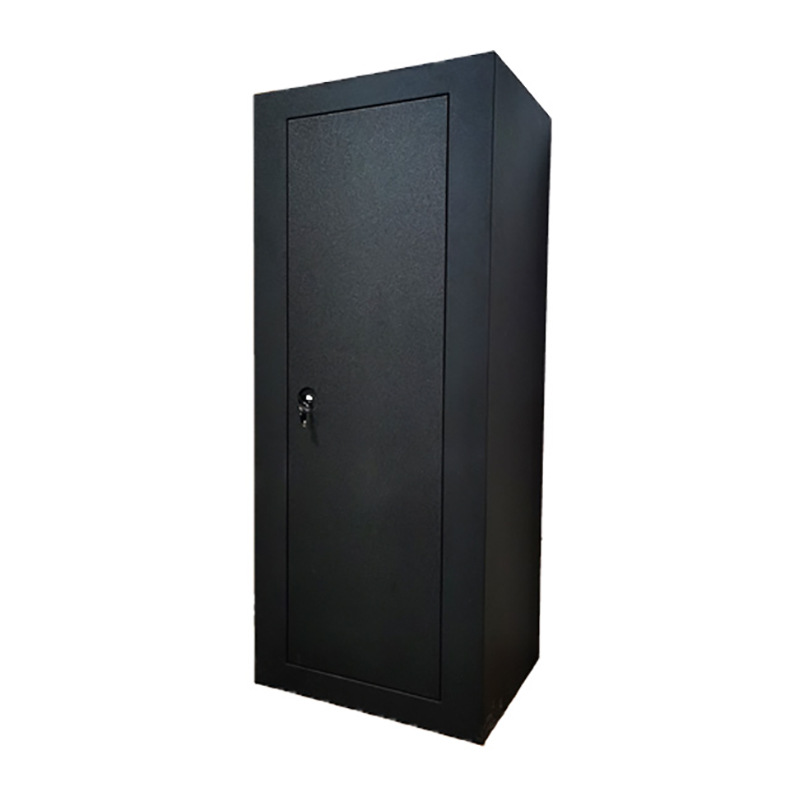
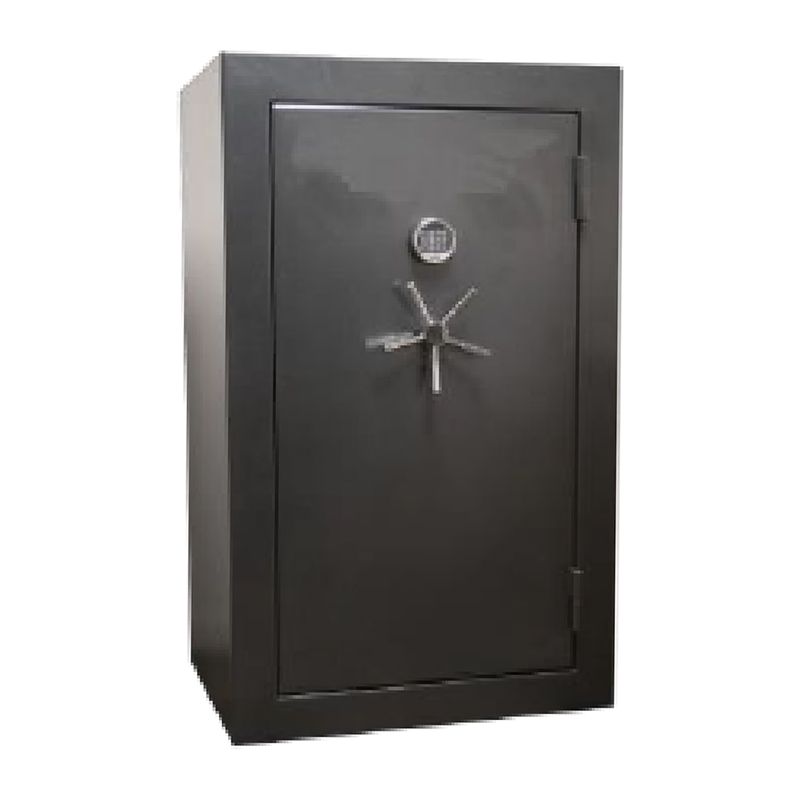
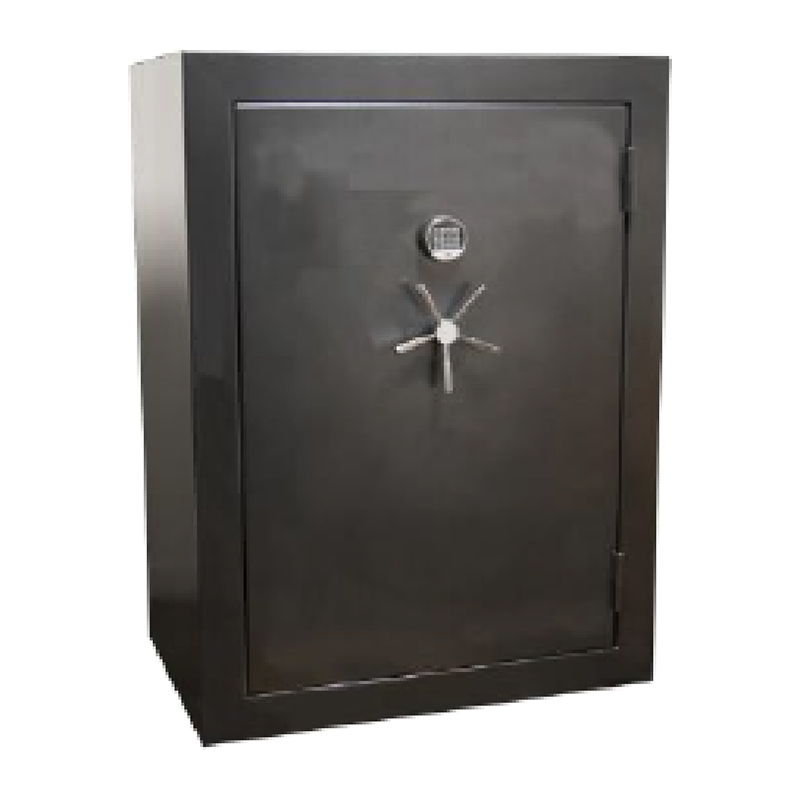
The historical perception of a Gun Cabinet was often limited to a simple wooden display case with glass doors, designed more for aesthetic presentation than for actual security. However, as the global security landscape has shifted, so has the engineering behind these units. Modern consumers no longer view the Gun Cabinet as a piece of furniture, but as a high-tech fortress. This shift is driven by the realization that a Gun Security Cabinet must serve multiple functions: it is a deterrent to burglars, a safeguard against household accidents involving children, and a protective barrier against natural disasters like fires.
The Integration of Multi-Functional Storage
A modern Gun Cabinet is rarely used exclusively for firearms. Manufacturers have recognized the growing demand for a "centralized security hub." Inside a high-end Gun Security Cabinet, you will find modular shelving systems that allow for the simultaneous storage of long guns, handguns, sensitive legal documents (like deeds and passports), and even electronic media. The interior is often lined with non-abrasive materials to prevent scratches on delicate finishes, while adjustable racks ensure that the Gun Cabinet can grow with the owner’s collection. This versatility makes the Gun Cabinet the heart of a home’s defensive strategy.
Advancements in Locking Mechanisms
Security is only as strong as its weakest point, which is why the locking technology in a Gun Cabinet has seen the most innovation. We have moved from simple mechanical keys to sophisticated biometric and digital interfaces. A high-quality Gun Cabinet today might feature:
Biometric Scanners: Utilizing advanced capacitive or optical sensor technology, these scanners allow for sub-second access using high-resolution fingerprint recognition. This is particularly critical in high-stress emergency situations where fine motor skills may be impaired, and fumbling with keys or codes is not an option. Modern Gun Security Cabinet biometrics can often store dozens of unique prints, allowing trusted family members access while maintaining a detailed digital audit trail of who opened the unit and when.
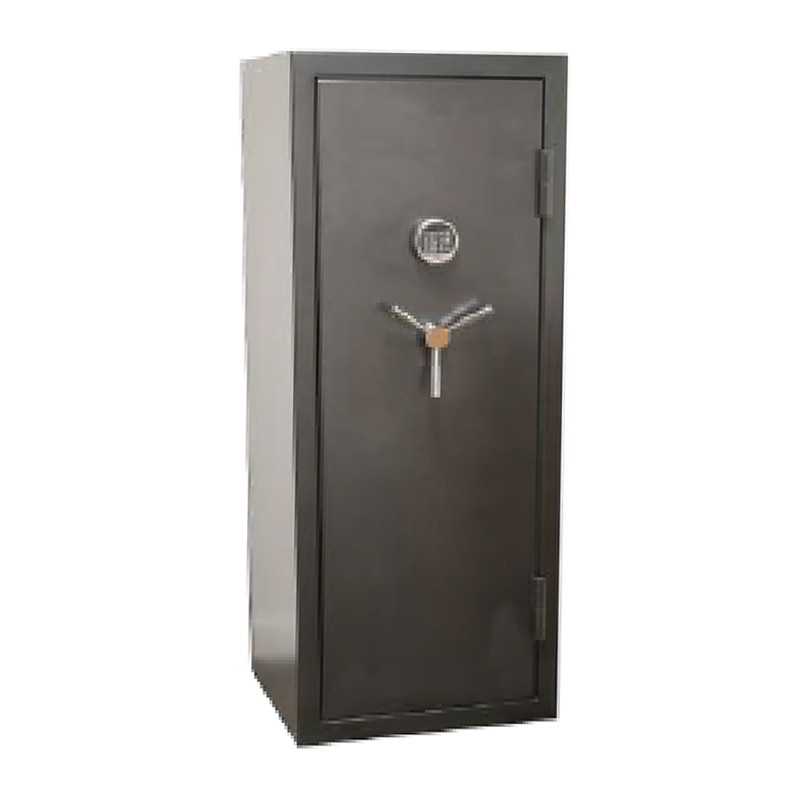
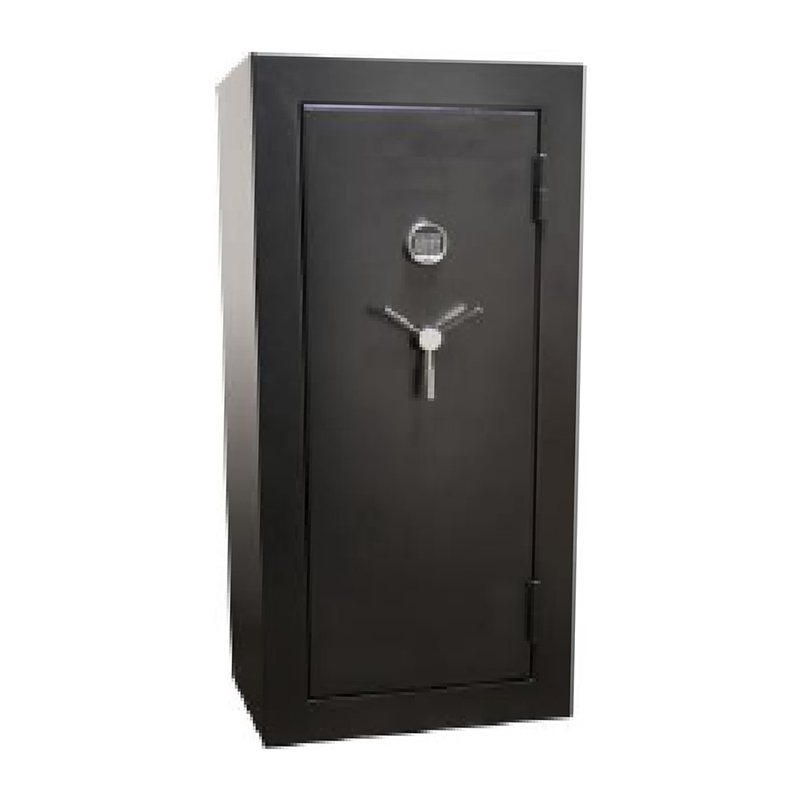
Electronic Keypads: These interfaces offer a balance of speed and high-level security. Leading Gun Cabinet models feature "spy-proof" or "scramble code" shields that prevent observers from seeing the entered digits. They also include sophisticated logic boards that trigger temporary lockout functions after multiple incorrect attempts, effectively neutralizing "brute force" guessing attacks. Backlit keys ensure that the owner can operate the Gun Cabinet in total darkness without compromising security.
Redundant Locking Systems: Recognizing that electronic components can occasionally fail or batteries can deplete, many owners prefer a Gun Cabinet that offers a "dual-entry" or "EMP-resistant" redundant system. This typically combines a high-speed digital keypad with a heavy-duty physical override key or a mechanical dial. This ensures that even in the event of a total electronic failure or a prolonged power outage, the contents of the Gun Security Cabinet remain accessible to the authorized user while staying impenetrable to intruders.
Physical Fortification and Anti-Tamper Features
The structural integrity of a Gun Cabinet is defined by its steel gauge and door construction. Industry standards have moved toward thicker, cold-rolled steel plates. A robust Gun Cabinet features "anti-pry" doors with recessed hinges, making it nearly impossible for a thief to gain leverage with a crowbar. Furthermore, the inclusion of active locking bolts—steel rods that extend from multiple sides of the door into the frame—ensures that even if the hinges are cut, the Gun Cabinet door remains immovable.
What Technical Standards Define a High-Performance Gun Cabinet?
When evaluating a Gun Security Cabinet, technical specifications are the only objective measure of its protective capabilities. It is not enough for a Gun Cabinet to "look" strong; it must meet rigorous industry benchmarks regarding fire resistance, steel thickness, and theft deterrence. Understanding these metrics is essential for consumers and distributors alike.
Fire Resistance and Thermal Insulation
Fire is often a greater threat to home valuables than theft. A premium Gun Cabinet is rated based on its ability to maintain a safe internal temperature during an external blaze. This is achieved through the use of specialized fire boards or composite fill materials. For instance, a Gun Cabinet might be rated to withstand 1200℉ (649℃) for 60 to 90 minutes. During a fire, the heat-activated door seals (intumescent seals) expand to several times their original size, sealing out smoke and heat, thus protecting the contents of the Gun Cabinet from charring or melting.
Steel Gauge and Construction Quality
The thickness of the steel used in a Gun Cabinet is measured in "gauges." In this industry, a lower gauge number indicates thicker steel. A standard security Gun Cabinet typically uses 14-gauge to 11-gauge steel, while high-security models may utilize 10-gauge or even 7-gauge steel. The method of assembly—specifically the quality of the welds—is equally important. Continuous robotic laser welding ensures that the seams of the Gun Cabinet are as strong as the steel itself, eliminating weak points that could be exploited during an attack.
Technical Specification Comparison Table
To better understand the tiers of Gun Cabinet performance, consider the following technical comparison:
|
Feature
|
Entry-Level Gun Cabinet
|
Professional-Grade Gun Cabinet
|
Ultra-High Security Gun Cabinet
|
|
Steel Thickness
|
16 - 14 Gauge
|
12 - 11 Gauge
|
10 - 7 Gauge
|
|
Lock Type
|
Basic Electronic / Key
|
Biometric + Digital
|
Multi-Stage Biometric + Mechanical
|
|
Locking Bolts
|
2-4 Static Bolts
|
8-12 Active Bolts (3-Way)
|
16+ Active Bolts (4-Way)
|
|
Internal Storage
|
Fixed Shelves
|
Modular / Adjustable
|
Custom Luxury Lining + Power Outlets
|
|
Anti-Pry Design
|
Standard Door Gap
|
Tight Tolerance / Z-Bracket
|
Recessed Door / Reinforced Frame
|
The Importance of Interior Environment Control
Firearms and sensitive documents are highly susceptible to moisture damage. A high-performance Gun Cabinet often includes features to manage humidity. This might include pre-drilled holes for dehumidifier rods or built-in hygrometers. Without these, a sealed Gun Cabinet can trap moisture, leading to rust on expensive firearms or the degradation of paper documents. Advanced Gun Cabinet models now integrate internal LED lighting and power strips, allowing for the charging of digital backups and the safe storage of electronic devices.
How Does Manufacturing Excellence Ensure the Reliability of a Gun Cabinet?
The reliability of a Gun Cabinet is a direct reflection of the manufacturer's capabilities. In the global market, Ningbo, China, has emerged as a premier hub for high-end security fabrication. Leading companies like Ningbo Arnostanley Electric Co., Ltd. exemplify the marriage of traditional craftsmanship and modern industrial technology. Established in 2000, Arnostanley has spent over two decades perfecting the art of sheet metal enclosures and precision manufacturing, making them a cornerstone of the Gun Cabinet production industry.
Advanced Production Facilities and Machinery
A superior Gun Cabinet requires precision that manual labor alone cannot achieve. Companies like Arnostanley operate state-of-the-art manufacturing plants—such as their dual facilities in Yuyao, each spanning over 50,000 square meters. These plants house over 70 advanced machines that are critical to the Gun Cabinet lifecycle:
Laser Cutting Machines: These high-precision tools utilize fiber laser technology to cut complex steel patterns with micron-level accuracy. This capability allows for the extremely tight tolerances required for anti-pry doors. When the gap between the door and the frame of a Gun Cabinet is minimized, a pry bar or other forced-entry tools cannot find the necessary purchase to exert leverage. This precise fit is a primary hallmark of a high-security enclosure.
CNC Machining and Bending: Computer Numerical Control (CNC) technology ensures that every fold and angle of the Gun Cabinet frame is perfectly square and structurally sound. By automating the bending process, manufacturers can ensure absolute consistency across large-scale production runs. This structural integrity is vital for ensuring that the locking bolts align perfectly with the frame, providing maximum resistance against impact and physical stress.
Automated Painting and Phosphating Lines: To ensure a Gun Cabinet remains in pristine condition for decades, the surface treatment must be flawless. The process begins with an automated phosphating line that chemically cleans and prepares the steel to prevent deep-seated oxidation. This is followed by high-grade electrostatic powder coating, which creates a durable, scratch-resistant finish. This multi-layered approach ensures that the Gun Cabinet does not chip or peel, maintaining both its aesthetic appeal and its defensive integrity over time.
Quality Management Systems
Reliability in a Gun Cabinet is not accidental; it is the result of strict adherence to international standards. High-end manufacturers follow the ISO9001 quality management system. This involves comprehensive quality control (QC) at every stage—from the inspection of raw steel sheets to the final testing of the locking mechanism. Before a Gun Cabinet leaves the factory, it undergoes rigorous stress tests to ensure the digital components function flawlessly and the physical structure meets its rated specifications.
Why Manufacturer Reputation Matters
Choosing a Gun Cabinet produced by a manufacturer with a proven track record ensures long-term support and product integrity. A company that has thrived for over 20 years, building strong partnerships with global industry leaders, brings a level of expertise that is indispensable. Their commitment to "customer-focused" solutions means that the Gun Cabinet is designed with the end-user's safety and convenience as the primary goal.
The modern Gun Cabinet is much more than a box for rifles; it is a sophisticated piece of security hardware designed to protect a family's legacy. Whether it is the fire-resistant insulation that saves irreplaceable birth certificates or the biometric lock that provides rapid access to a self-defense tool, the Gun Cabinet plays a vital role in the contemporary home.
By understanding the evolution of design, the technical benchmarks of performance, and the manufacturing precision of industry leaders like Ningbo Arnostanley Electric Co., Ltd., consumers can make informed decisions. A high-quality Gun Cabinet represents a lifetime commitment to safety—a secure, fire-resistant hub for everything that truly matters. As technology continues to advance, the Gun Cabinet will remain at the forefront of home protection, evolving to meet new challenges while maintaining its core mission of absolute security.



 English
  中文简体
中文简体