What is a Rechargeable Dehumidifier? How is it different from disposable dehumidifier boxes?
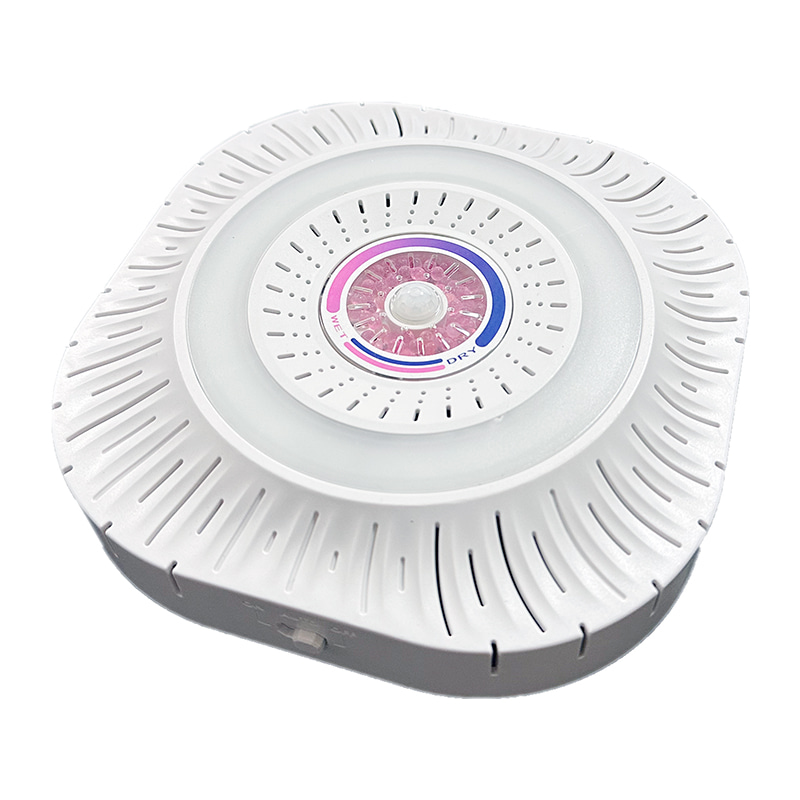
A rechargeable dehumidifier is a reusable, small-sized dehumidifying device primarily used in relatively confined small spaces such as wardrobes, storage cabinets, safes, and cupboards to absorb excess moisture from the air, thereby reducing humidity and preventing mold, odors, metal rust, and damage to items caused by dampness. Unlike traditional disposable dehumidifier boxes, its core feature is its "rechargeable" nature. After the absorbent material reaches saturation, it can release moisture and restore its dehumidifying capacity through heating or electrical drying, eliminating the need for frequent replacement of consumables.
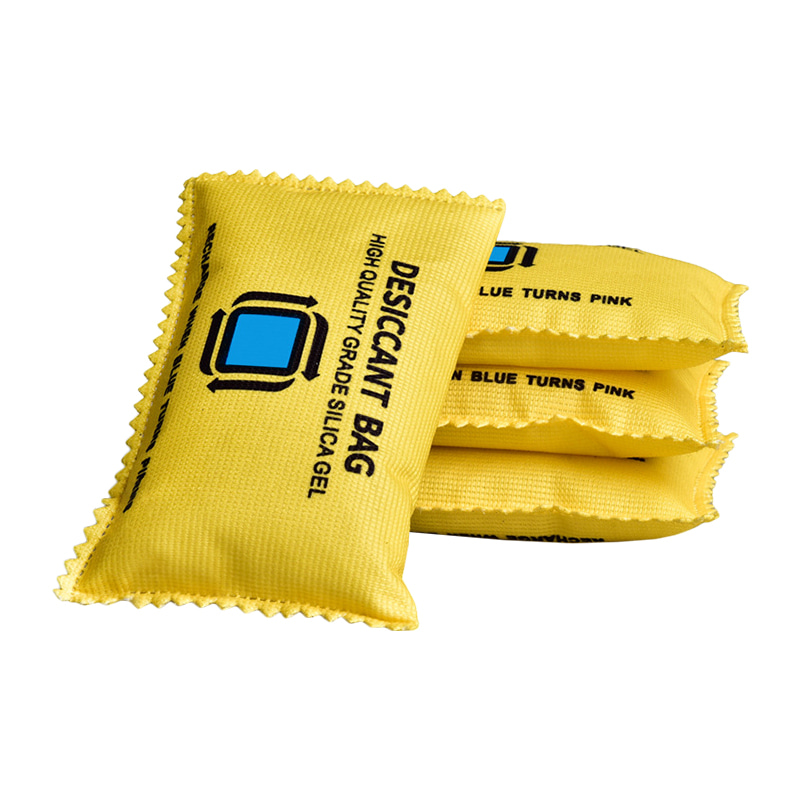
In terms of working principle, most rechargeable dehumidifiers use physical adsorption methods, such as silica gel, molecular sieves, or other desiccant materials. These materials have a large number of microporous structures that actively adsorb water molecules from the air. When humidity rises, water vapor is locked inside the material, thus achieving a dehumidifying effect. Once the material is saturated with water, the user simply plugs the device in or places it in a base for heating and regeneration. The water evaporates and is released, and the material returns to a dry state, allowing for repeated use.
In contrast, disposable dehumidifier boxes typically use desiccants such as calcium chloride, which convert moisture into liquid through a chemical reaction, accumulating at the bottom of the box. The advantages of these products are their low price and no need for power, but the desiccant is used up and discarded, requiring the replacement of the entire box of consumables. This results in higher long-term costs and generates more plastic waste and liquid waste.
The main differences between the two are as follows:
First, sustainability. Rechargeable dehumidifiers can be recycled hundreds of times, with a lifespan typically lasting several years, making them more environmentally friendly and economical; while disposable products are consumable items.
Second, cost of use. Although rechargeable dehumidifiers have a slightly higher initial price, the long-term cost is lower because there is no need to replace consumables.
Third, ease of maintenance. Rechargeable products only require regular charging or heating, eliminating the need to handle accumulated water or replace dehumidifier boxes, making them cleaner and more hygienic.
Fourth, safety and cleanliness. Disposable dehumidifier boxes may have a risk of liquid leakage, while rechargeable devices with solid desiccants are more stable and less prone to leakage.
Is a Rechargeable Dehumidifier suitable for wardrobes, cabinets, shoe cabinets, and bookshelves?
Rechargeable dehumidifiers are designed to provide localized humidity control in small, enclosed or semi-enclosed spaces. Therefore, they are ideal for everyday moisture control in household storage environments, including wardrobes, cabinets, shoe cabinets, bookshelves, drawers, storage boxes, and safes.
In wardrobes, humid air can easily lead to mold and unpleasant odors on clothing, especially during the rainy season or in coastal areas. Rechargeable dehumidifiers continuously absorb moisture from the air, helping to maintain a dry environment, thus reducing mold growth and bacterial reproduction, and protecting materials such as cotton, wool, and leather from damage. Compared to chemical dehumidifier boxes, they do not produce liquid condensation, making them more suitable for direct placement with clothing.
In shoe cabinets, residual moisture and sweat from shoes, if not allowed to evaporate promptly, can easily lead to odors and even mold. Small dehumidifiers can improve air circulation and reduce humidity buildup, extending the lifespan of footwear.
For bookshelves and filing cabinets, paper is very sensitive to humidity; prolonged exposure to high humidity can cause curling, yellowing, mold spots, and even sticking. Rechargeable dehumidifiers can maintain a relatively stable dry state, providing significant protection for books, archives, photo albums, and other collectibles.
They are also suitable for cabinets or kitchen storage spaces, especially cabinets storing seasonings, dried goods, or small electronic appliances; moisture control helps extend the shelf life of these items.
However, it's important to note that these products are more suitable for smaller, relatively enclosed spaces. If used in large rooms or open areas, the dehumidifying capacity may be insufficient, and a plug-in or compressor dehumidifier may be needed. Therefore, when purchasing, you should match the dehumidifying capacity to the size of the space; for example, use a small-capacity model for 1–2㎡, and multiple devices can be placed in multiple cabinets.
Does a Rechargeable Dehumidifier require regular replacement of the desiccant material?
The biggest difference between a rechargeable dehumidifier and a disposable dehumidifier box is that the core design concept of the rechargeable dehumidifier is "renewable and recyclable." Therefore, under normal use conditions, there is no need to frequently replace the desiccant material. Most products use highly stable physical adsorption desiccants internally, such as silica gel, molecular sieves, or composite desiccant materials. These materials have a rich microporous structure and can repeatedly adsorb and release moisture. After moisture saturation, the moisture can be evaporated and released by heating or electrical drying, restoring the material to a dry state and thus regaining its dehumidifying ability.
In practical use, users only need to perform a "recharge" operation regularly based on humidity changes, rather than replacing consumables. Most devices are equipped with a humidity indicator window or color change indicator. When the desiccant changes from orange to green (or a similar change), it indicates that it is saturated with moisture and needs to be plugged in and heated for several hours to complete the regeneration process. The entire process is simple and convenient, does not produce liquid residue, and does not create accumulated water that needs to be poured out, unlike disposable dehumidifier boxes, making it cleaner and more environmentally friendly.
From a lifespan perspective, high-quality silica gel or molecular sieve materials can usually withstand hundreds or even thousands of cycles of use, and can often be used stably for 2-5 years or even longer in a typical home environment. Therefore, in most daily scenarios, users do not need to consider replacing the desiccant material; they only need to regenerate it regularly to maintain good dehumidification performance.
Of course, any material may experience natural aging after long-term repeated use. For example, decreased dehumidification efficiency, particle pulverization, prolonged regeneration time, or slower dehumidification speed may occur. If these situations occur, the desiccant module or the entire unit may need to be replaced. However, this is usually normal wear and tear after many years of use, not a daily maintenance requirement.
In addition to the performance of the material itself, the product's structural design and manufacturing process also directly affect its lifespan. A product with poor sealing, an easily deformed casing, or uneven heating may cause the desiccant to become damp and ineffective or reduce the regeneration efficiency, thus shortening the overall lifespan. Therefore, choosing a supplier with mature manufacturing capabilities and high-precision processing technology is particularly important. For example, Ningbo Arnostanley Electric Co., Ltd. has over 20 years of experience in sheet metal processing and precision structural manufacturing, possessing complete sheet metal processing capabilities, including comprehensive cold working processes such as laser cutting, stamping, bending, welding, and assembly. High-precision metal enclosures not only offer better structural strength and consistency but also provide more stable sealing and heat dissipation performance, which is crucial for dehumidification equipment with built-in heating regeneration modules. A stable enclosure structure ensures even heat distribution, improves regeneration efficiency, and reduces the risk of overheating.
Relying on a mature production system, Ningbo Arnostanley Electric Co., Ltd. has the manufacturing capacity to produce 20,000 sets of high and low-voltage switchgear and control cabinets annually, accumulating rich experience in industrial-grade chassis, cabinets, and customized metal structural components. These industrial-grade manufacturing standards are also applied to the production of high-quality dehumidifier enclosures and internal structural components, providing greater assurance in terms of durability, long-term stability, and safety, and further reducing the need for future replacement or repair by users.



 English
  中文简体
中文简体