


 English
  中文简体
中文简体 


Industry News
Gun Safe vs Gun Cabinet vs Pistol Safe: Which One Do You Need?
2026-07-29
Gun Safe, Gun Cabinet, or Pistol Safe: Quick Answer
For most households, a gun safe is the best choice because it combines fire resistance, pry-resistant steel construction, and a locking mechanism rated to resist forced entry — features required by most state safe-storage laws. A gun cabinet is a lighter-duty option suited to display and basic access control rather than break-in protection, while a pistol safe is a compact, fast-access unit designed for one or two handguns kept near the bed or in a vehicle.
The right choice depends on how many firearms you own, how quickly you need access, and what level of theft and fire protection you require. This guide compares all three storage types in detail and walks through the criteria that matter most when making a purchase.
Gun Safes: Maximum Security for Full Collections
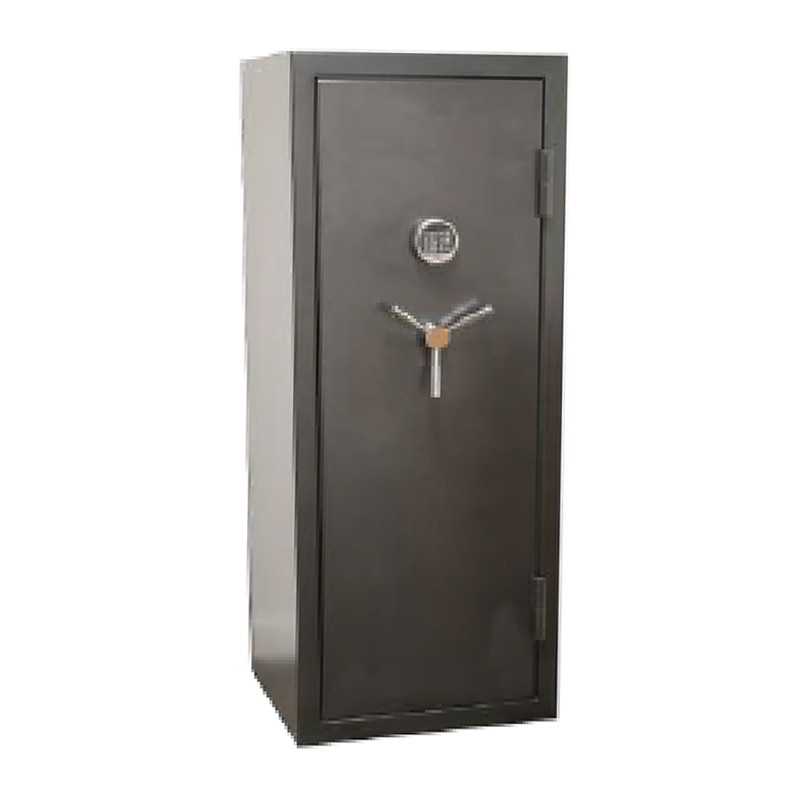
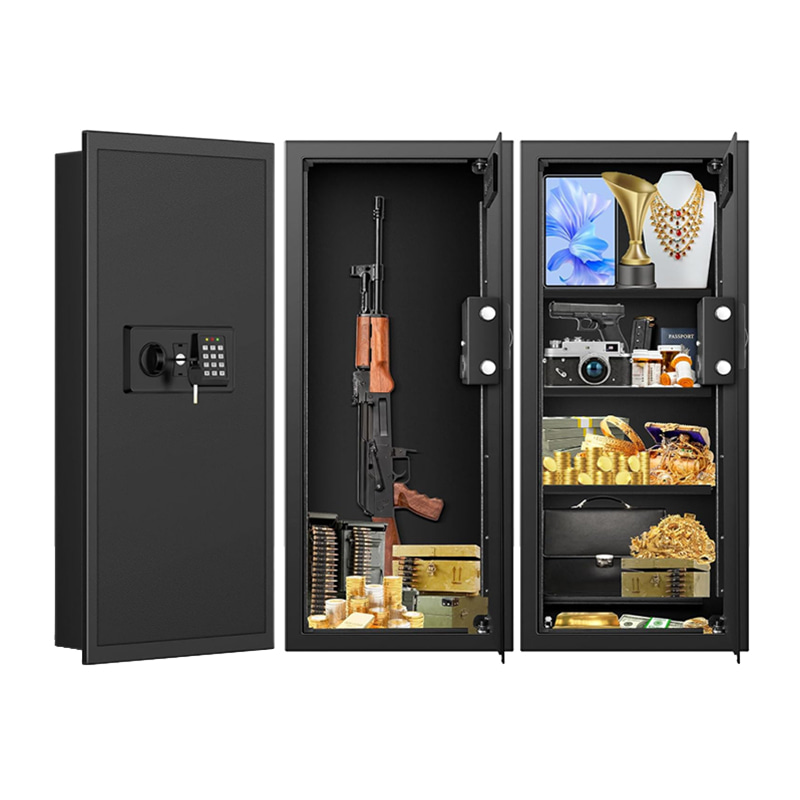
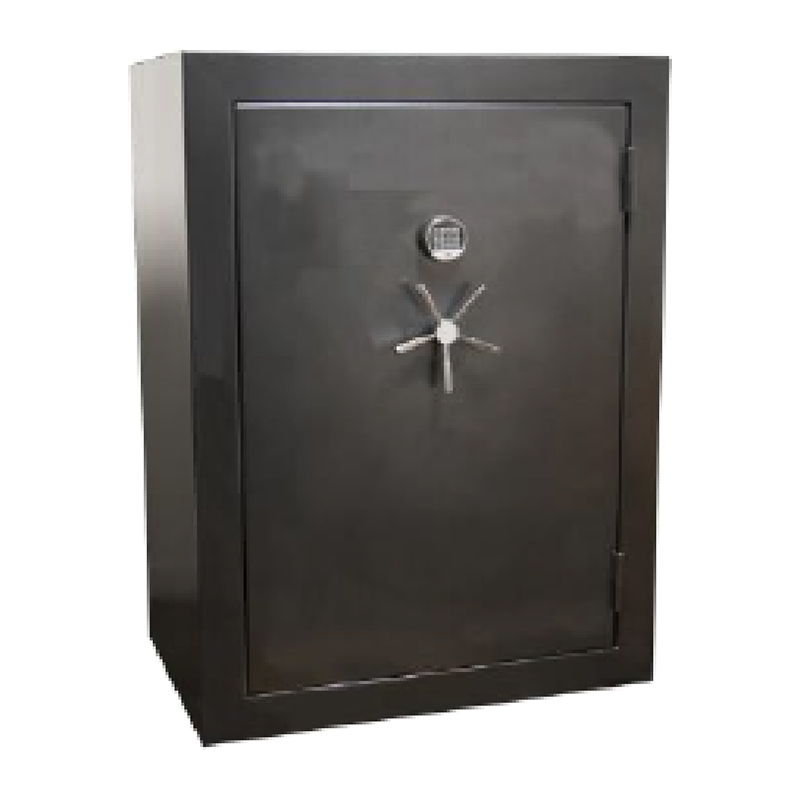
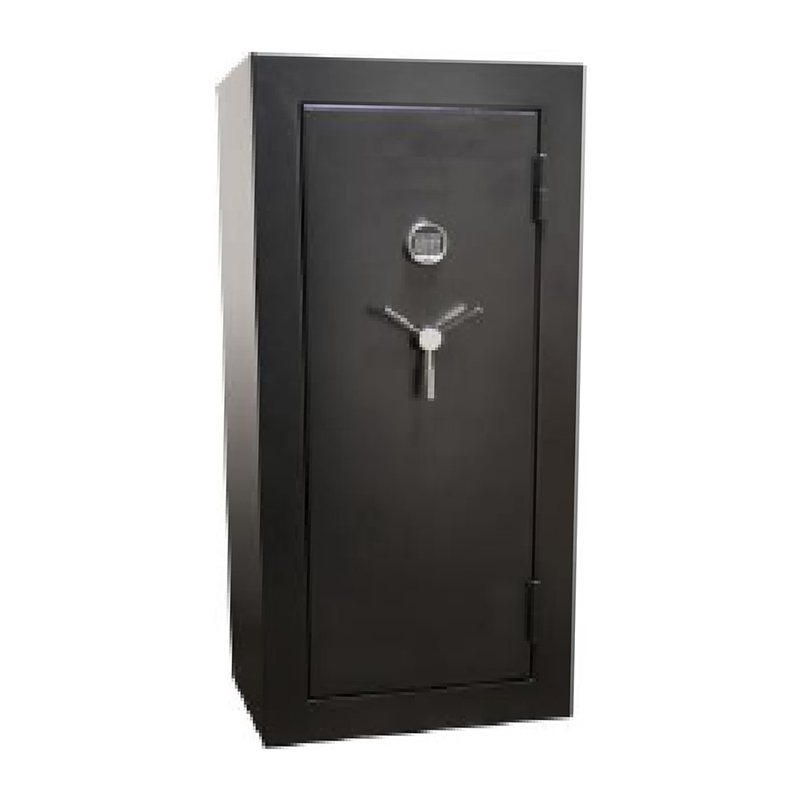
Gun safes are built from thick steel plate, typically 10 to 12 gauge or thicker, with multiple locking bolts that extend into the door frame on three or more sides. Most residential models include a UL-rated fire lining that keeps interior temperatures below 350°F for 30 to 60 minutes, protecting documents and firearms in a house fire.
Who Should Choose a Gun Safe
A gun safe suits owners with five or more firearms, valuable collections, or a legal obligation to secure weapons against unauthorized access — including states with child access prevention laws. Capacity typically ranges from 14 to 64 gun slots, with larger units also holding ammunition, optics, and important documents.
Gun Cabinets: Storage and Display Without Heavy Security
Gun cabinets are usually made of wood or thin sheet metal with a glass front, designed to display rifles and shotguns rather than resist forced entry. Most use a simple key lock and offer little to no fire protection, which is why many jurisdictions no longer count them as compliant "secure storage" under firearm safety statutes.
Who Should Choose a Gun Cabinet
Gun cabinets work well for collectors who want to display long guns in a low-crime environment and are mainly concerned with dust protection and keeping firearms out of casual reach, rather than defending against a determined burglar.
Pistol Safes: Fast Access for Handguns
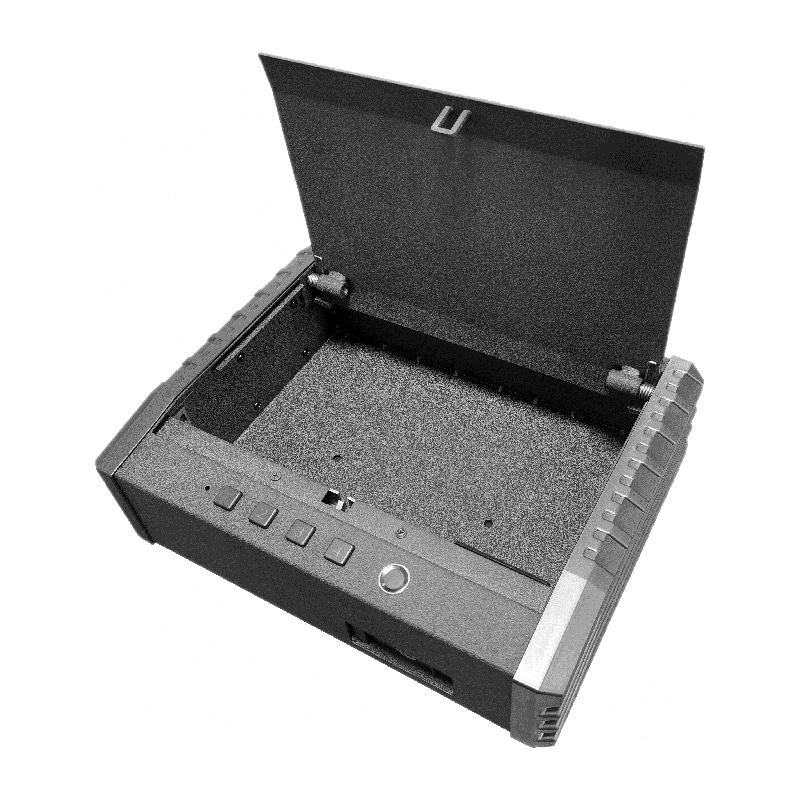
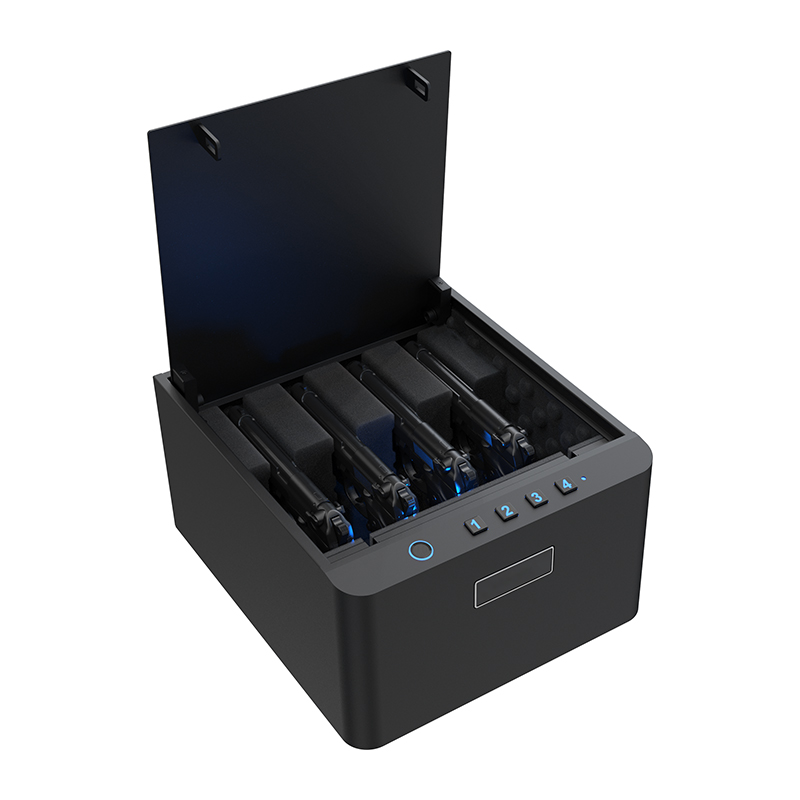
Pistol safes are compact steel boxes sized for one to three handguns, commonly opened with a biometric fingerprint reader, keypad, or mechanical key. Quality models open in under 2 seconds using biometric access, making them the preferred option for home defense and nightstand storage.
Who Should Choose a Pistol Safe
A pistol safe is ideal for owners who need rapid access in an emergency — such as a handgun kept in a nightstand, closet shelf, or vehicle glovebox — while still keeping the firearm secured from children or unauthorized users.
Side-by-Side Comparison
| Feature | Gun Safe | Gun Cabinet | Pistol Safe |
|---|---|---|---|
| Typical Capacity | 14-64 guns | 6-12 long guns | 1-3 handguns |
| Steel Thickness | 10-12 gauge+ | 20-22 gauge or wood | 14-16 gauge |
| Fire Protection | Yes, 30-60 min rated | Rarely | Limited or none |
| Access Speed | Moderate (10-30 sec) | Fast (key lock) | Very fast (under 2 sec biometric) |
| Average Price Range | $600-$3,000+ | $150-$600 | $80-$400 |
Key Factors to Consider Before Buying
- Number and type of firearms you need to store now and in the next few years
- Required access speed — home defense favors biometric pistol safes, long-term storage favors dial or electronic gun safes
- Fire risk in your home, including proximity to a kitchen or electrical panel
- Weight and anchoring options, since a safe under 750 lbs should be bolted to the floor or wall studs to prevent removal
- State and local storage laws, which may set minimum requirements for locking mechanisms and access by minors
Lock Types and What They Mean for Security
- Mechanical dial lock: Highly reliable with no batteries to fail, but slower to operate, typically 15-30 seconds
- Electronic keypad: Fast entry with programmable codes, common on mid-range gun safes and pistol safes
- Biometric fingerprint: Fastest access, ideal for pistol safes used in home defense scenarios
- Simple key lock: Common on gun cabinets; offers minimal resistance to forced entry but keeps firearms out of casual reach
Installation and Maintenance Tips
Always anchor a gun safe to the floor using the manufacturer's bolt kit — an unbolted safe can be tipped over or carried out by two people in under a minute. Place the unit away from exterior walls and windows to reduce visibility and moisture exposure, and apply a light coat of gun oil or silicone spray to hinges annually to prevent rust from compromising the locking bolts.
For pistol safes kept in a vehicle, choose a model with a cable lock or mounting bracket so it cannot simply be grabbed during a break-in. Replace batteries in electronic and biometric locks every 6 to 12 months, and test backup key access regularly to avoid being locked out during a power or battery failure.
-

Arnostanley Electric is committed to providing customers with home security OEM and ODM services, as well as comprehensive professional solutions.
-
Product List
Pistol Safe Lock Box Gun Cabinet Home Safe Safe Accessories Product Customization -
Contact Info.
+86-(0)574-6248 327+86-180 6720 2630Lucas_zhu@arnostanley.comNo.16 Beixing East Road, Yuyao City, Zhejiang Province, China -
Follow Us
Copyright © 2025 Ningbo Arnostanley Electric Co., Ltd. ALL Rights Reserved.
Custom Secure Storage Solutions Suppliers
