


 English
  中文简体
中文简体 
 Home / News / Industry News / How Do Smart WiFi Biometric Pistol Safes Balance Security and Quick Access?
Industry News
How Do Smart WiFi Biometric Pistol Safes Balance Security and Quick Access?
2026-06-03
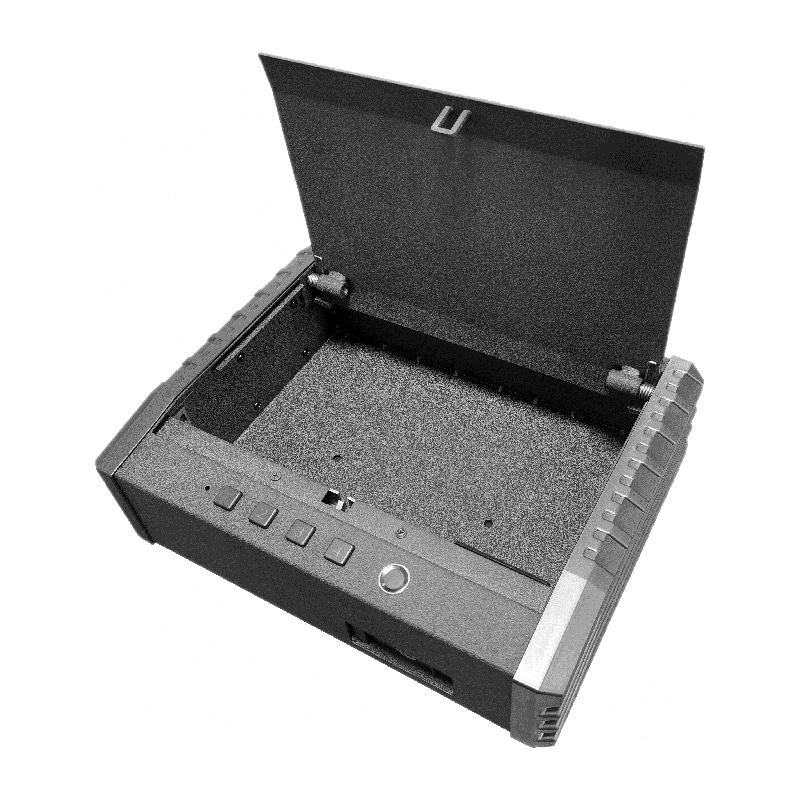
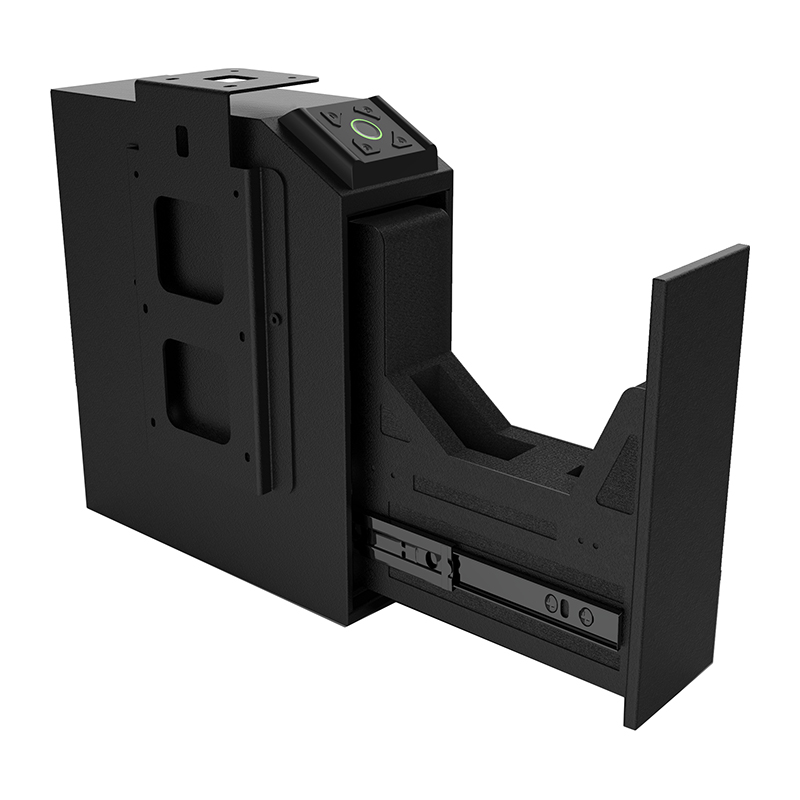
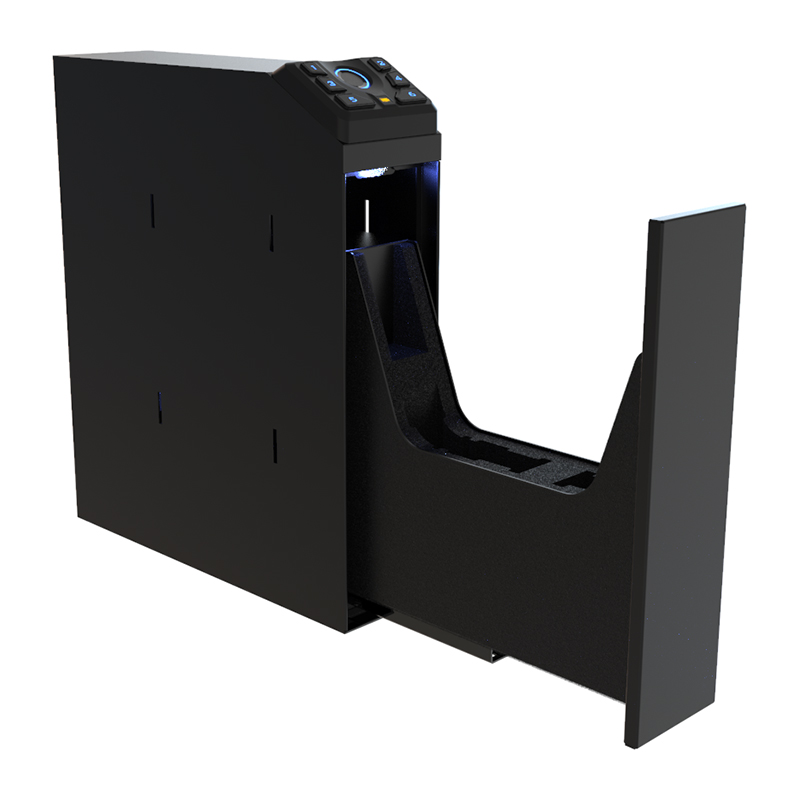
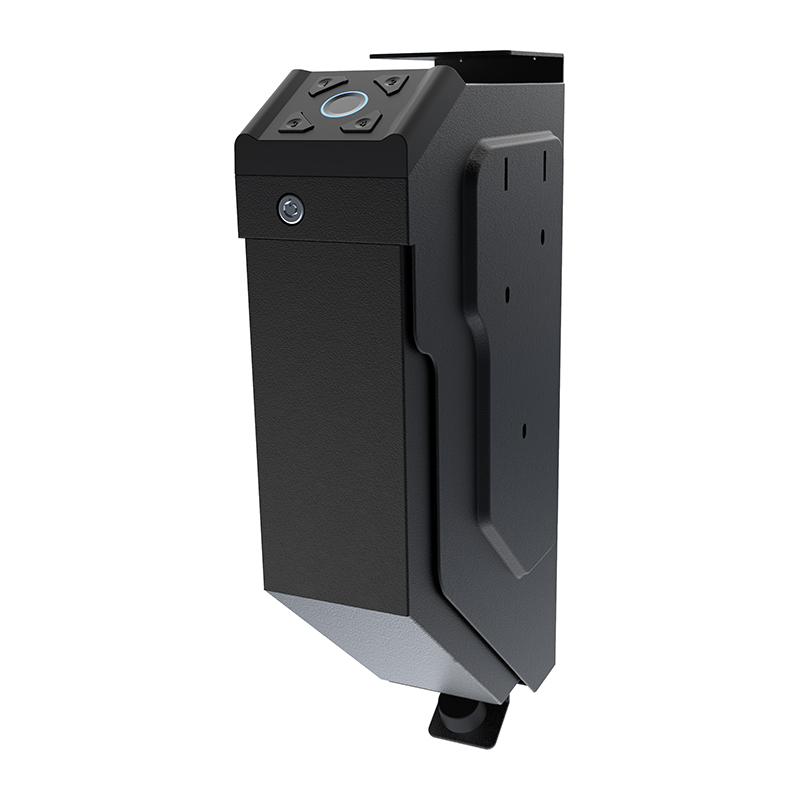
Responsible firearm ownership demands a balancing act that traditional gun safes have never fully resolved: a pistol locked away securely is one that cannot be accessed quickly in an emergency, while one left accessible for speed is vulnerable to unauthorized use. Smart WiFi biometric pistol safes address this long-standing tension directly, combining fingerprint recognition, mobile app connectivity, real-time tamper alerts, and multiple backup access methods in a compact unit designed for bedside, desk, or vehicle use. This guide examines how these devices work, what separates quality from marketing, and how to choose the right unit for your household.
0.3s Typical biometric unlock time
100+ Fingerprints stored per unit
WiFi Real-time remote alerts
4-in-1 Access methods on premium models
12ga Typical steel wall thickness
What Makes a Pistol Safe Smart
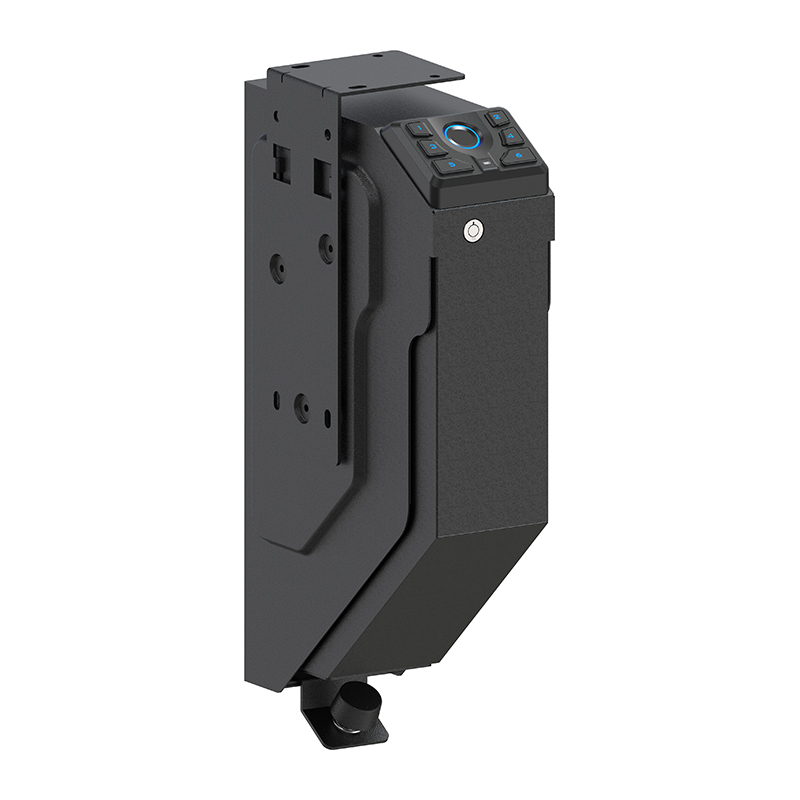
The term smart safe is applied broadly, but in the pistol safe category it refers specifically to units that integrate digital connectivity with access control systems. A genuine smart WiFi biometric pistol safe combines at least three distinct technology layers: a biometric sensor for fingerprint-based authentication, an embedded wireless module for network connectivity, and a companion smartphone application that serves as a remote control and monitoring interface.
WiFi connectivity is what distinguishes these units from earlier generations of biometric safes. While a basic fingerprint safe operates as a closed system with no external communication, a WiFi-enabled unit connects to your home or office network, enabling push notifications to your phone when the safe is opened, when a failed access attempt occurs, when the battery falls below a threshold, and in some models when the unit is physically moved or tilted. This transforms the pistol safe from a passive security box into an active component of a broader home security ecosystem.
Biometric Fingerprint Scanner
Capacitive or optical sensors read fingerprint ridge patterns and match against enrolled templates stored in encrypted onboard memory. Premium units read in under 0.5 seconds with less than 0.001 percent false acceptance rate.
WiFi Module and App Control
2.4GHz WiFi connectivity links the safe to your router. The companion app provides remote locking and unlocking, access logs with timestamps, alert configuration, and firmware update management.
Push Notification Alerts
Real-time notifications for door open events, failed authentication attempts, tamper detection, low battery warnings, and power loss events keep owners informed regardless of physical proximity to the safe.
Backup Access Methods
PIN keypad, physical key override, Bluetooth proximity unlock, and RFID card access provide redundant entry options when fingerprints are unavailable due to gloves, injury, or sensor malfunction.
Access Log and Audit Trail
Timestamped records of every access event, including method used and success or failure, stored in app cloud or local device memory. Some models export logs in CSV format for insurance or compliance documentation.
Tamper Detection and Alerts
Accelerometers detect movement, tipping, or physical attack. Interior pry-resistance features including anti-tip door construction and security cable anchor points complement the electronic detection layer.
How Biometric Access Works in Pistol Safes
Consumer biometric safes use one of two sensor types: capacitive fingerprint sensors, which measure electrical capacitance differences across the ridges and valleys of a fingerprint, and optical sensors, which photograph the print using LED illumination and analyze the image. Capacitive sensors are generally more accurate and less susceptible to latent print spoofing, making them the preferred choice in higher-security pistol safe applications.
During enrollment, the sensor captures multiple impressions of each registered finger from slightly different angles, building a mathematical template of ridge minutiae rather than storing an actual image of the print. Matching occurs entirely on the device, with the template database stored in encrypted flash memory that cannot be read externally. This architecture means that even if the WiFi module were compromised, fingerprint data would not be exposed.
Fingerprint
- Hands-free in low light
- No memorization needed
- Up to 100 users stored
- Works when fully awake
PIN Keypad
- Works with gloves or wet hands
- No power required (mechanical)
- Shareable without enrollment
- Risk of shoulder surfing
RFID / NFC Card
- Tap-and-go simplicity
- Works reliably in cold
- Card can be lost or stolen
- Good for shared household use
App / Bluetooth
- Remote unlock capability
- Access log integration
- Phone battery dependent
- Good for guest access
Practical note on biometric reliability: Fingerprint sensors in consumer safes perform best when fingers are clean and dry. Cuts, calluses, or dry skin can reduce recognition accuracy significantly. Most safety experts recommend enrolling the same finger multiple times at different orientations, and always enrolling at least one backup finger to ensure reliable access under real-world conditions.
WiFi Connectivity: Features and Security Implications
The WiFi module in a smart pistol safe creates capabilities that were impossible in earlier generations of gun safes, but it also introduces a new attack surface that informed buyers must evaluate carefully. Understanding both sides of this equation is essential for responsible purchasing decisions.
What WiFi Connectivity Enables
Remote access logging is the most universally valued WiFi feature. When a family member, cleaning service, or contractor is in your home, you receive an immediate push notification if the safe is opened. If you are traveling and receive an alert at 3 AM that your safe has been accessed or tampered with, you can contact local law enforcement with timestamped evidence. For households with multiple adults authorized to access the firearm, the log provides accountability that a traditional safe cannot offer.
Remote locking is a second critical capability. If you leave the safe unlocked by mistake, some models allow you to engage the lock remotely through the app. Remote unlocking — allowing someone in your home to access the safe at your instruction when you are not present — is offered by premium models and can be valuable in emergency scenarios where another authorized adult needs access.
Cybersecurity Considerations
Any network-connected device is a potential attack surface. In evaluating smart pistol safes, buyers should specifically assess the following security characteristics of the manufacturer's implementation before purchase.
-
End-to-End Encryption
All communication between the safe, the manufacturer's cloud server, and the companion app should use TLS 1.2 or higher encryption. Avoid products that do not document their encryption implementation or that use proprietary, unaudited protocols.
-
Local Network Fallback
Premium models operate on the local network even when cloud servers are unavailable. Safes that require cloud connectivity for all functions become inoperable if the manufacturer discontinues service or their servers are offline during an internet outage.
-
Firmware Update Mechanism
The safe should support over-the-air firmware updates signed by the manufacturer. Without this capability, known vulnerabilities discovered after purchase cannot be patched. Verify that the manufacturer has a documented security update history before buying.
-
Data Minimization and Privacy Policy
Understand what data the manufacturer collects, stores, and shares. Access logs stored on manufacturer servers are potentially discoverable in legal proceedings. Some buyers prefer models with local-only log storage for this reason.
-
Network Isolation Option
Advanced home network users can place the safe on an isolated IoT VLAN to limit its access to other network resources, reducing the potential impact of a compromised device on the broader home network.
Important: WiFi connectivity never replaces physical security. A safe with excellent app features but a thin steel body, weak hinge construction, or a pry-vulnerable door is not a secure firearm storage solution regardless of its digital capabilities. Physical construction quality must be evaluated independently of technology features.
Physical Construction and Security Ratings
The physical security of a pistol safe determines its resistance to forced entry, and no amount of biometric sophistication compensates for inadequate steel construction. The following specifications represent the minimum acceptable standards for a bedside or desk-mounted pistol safe intended for genuine security use rather than simple child deterrence.
| Construction Feature | Minimum Standard | Premium Standard | Security Impact |
|---|---|---|---|
| Body Steel Gauge | 14 gauge (1.9mm) | 12 gauge (2.7mm) | High |
| Door Steel Gauge | 12 gauge (2.7mm) | 10 gauge (3.4mm) | Critical |
| Locking Bolts | 2 x 10mm solid steel | 4 x 16mm hardened steel | Critical |
| Pry Resistance | Concealed hinges | Anti-pry door lip and concealed hinges | High |
| Security Cable | Anchor point only | Included 1800mm braided steel cable | High |
| Mounting Options | Floor mount holes | Floor and wall pre-drilled, hardware included | Critical |
| Interior Finish | Foam lined | Velvet or precision foam cut to handgun profile | Low |
| Certification | UL Listed | California DOJ approved, UL RSC rated | High |
California DOJ approval is the most stringent consumer pistol safe certification available in the United States, requiring the safe to resist a defined series of attacks using common tools for a minimum period. UL Residential Security Container (RSC) rating provides a similar level of assurance. Products that carry neither certification but market themselves with vague security language should be approached with skepticism.
Placement and Installation Best Practices
The effectiveness of a smart WiFi biometric pistol safe depends substantially on where it is installed and how it is secured. A high-quality unit that is unsecured can be carried out of a home and defeated with power tools at leisure, rendering all its electronic features irrelevant.
Bedroom and Bedside Installation
The most common placement for a pistol safe is within arm's reach of the bed for nighttime access. Under-bed slide-out mounts, nightstand drawer conversions, and wall-mounted units inside closets all represent legitimate configurations. The critical requirement is that the unit must be bolted through its mounting holes into structural material: floor joists, wall studs, or a poured concrete floor. Mounting into drywall alone provides no meaningful resistance to removal.
When mounting a bedside pistol safe, orient the biometric sensor so that you can reach and authenticate with your dominant hand while lying down in a realistic position. Testing the ergonomics of access before final installation prevents the frustrating discovery that your hand does not naturally reach the sensor in an emergency posture.
Vehicle Installation
Several smart pistol safe models are purpose-designed or certified for vehicle installation. These units typically include a heavy-duty security cable for attachment to a seat rail or frame bolt, automotive-grade power connections, and vibration-resistant mounting systems. Vehicle temperature ranges, which can reach above 65 degrees Celsius in summer and fall below negative 20 degrees in winter, stress both biometric sensors and battery-backed electronics, making temperature specification review essential for vehicle applications.
Home Office and Desk Mounting
Under-desk mounting brackets allow a pistol safe to be concealed from view while remaining accessible from a seated position. WiFi connectivity is particularly valuable in office environments where access notifications and logs help verify that the safe has not been tampered with during business hours when multiple people may have physical access to the space.
Pros and Cons of Smart WiFi Biometric Pistol Safes
Advantages
- Sub-second biometric access in darkness
- Real-time tamper and access alerts
- Full audit trail of access events
- Multiple backup access methods
- Remote lock and unlock capability
- Guest access management via app
- Integration with smart home systems
- Child-resistant without sacrificing adult speed
Limitations
- Battery dependent for electronic features
- WiFi outage disrupts remote monitoring
- Biometrics less reliable with gloves or wet hands
- Higher cost than mechanical alternatives
- Manufacturer cloud service longevity uncertain
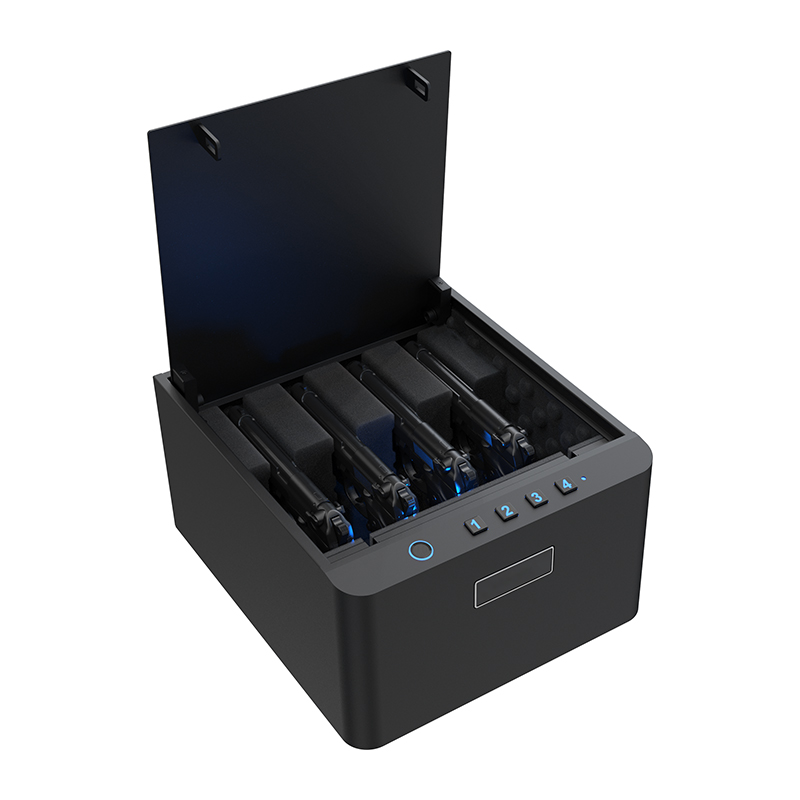
- Physical size limits to single handgun capacity
- Cybersecurity quality varies widely by brand
- Firmware update track record hard to verify pre-purchase
Buying Guide: Key Factors to Evaluate
Priority 1
Physical Security Rating
Verify California DOJ or UL RSC certification. Check steel gauge specifications in product documentation, not just marketing copy. Confirm bolt count, bolt diameter, and anti-pry door construction before evaluating any electronic features.
Priority 2
Biometric Sensor Quality
Look for capacitive over optical sensors in high-quality models. Verify the false acceptance rate specification. Enroll capacity of 20 or more fingerprints accommodates household members and multiple finger enrollments per person for reliability.
Priority 3
Connectivity and App Maturity
Research the companion app's user review history and update frequency. An app with a long version history and active user base indicates an established manufacturer likely to support the product long-term. Check whether local network operation is supported without cloud dependency.
Priority 4
Battery and Power Backup
Verify battery life specification under realistic conditions. Confirm the presence of an external emergency power port, typically a USB connection for a 9V battery, that allows access if internal batteries are fully depleted. This is a non-negotiable safety feature.
Priority 5
Mounting Hardware and Options
Confirm that pre-drilled mounting holes align with the intended installation surface. Check that mounting hardware is included and rated for the weight of the safe plus contents. Security cable inclusion is worth significant weight in bedside or vehicle applications.
Priority 6
Interior Fit for Your Firearm
Measure your handgun with any attached accessories such as lights or optics before purchasing. Many pistol safe interiors are sized for compact or standard handguns without accessories. Verify interior dimensions with a margin of at least 15mm on each side for reliable, fumble-free retrieval.
Legal Considerations and Safe Storage Laws
Firearm storage laws vary significantly by jurisdiction and are evolving rapidly. Several US states now mandate secure storage of firearms in households with minors, with requirements that specify the type of locking mechanism required. California, New York, Massachusetts, and Colorado, among others, have enacted child access prevention laws with criminal liability provisions for negligent storage that results in a minor gaining access to a firearm.
A smart WiFi biometric pistol safe that meets California DOJ certification requirements satisfies the secure storage threshold in most US jurisdictions that have enacted storage mandates. However, specific legal requirements in your state or municipality should be verified independently, as this area of law continues to change. Some jurisdictions also regulate the storage of loaded versus unloaded firearms differently, and the safe's role in securing ammunition as well as the firearm should be considered when evaluating compliance.
Insurance consideration: Many homeowners and renters insurance policies offer premium reductions or increased coverage limits for firearms stored in certified safes. Contact your insurance provider to verify whether the specific safe you are considering qualifies for any policy benefits, and keep the purchase receipt and installation photographs for documentation purposes.
Maintenance, Troubleshooting, and Long-Term Ownership
A smart pistol safe requires modest but consistent maintenance to function reliably over years of service. The biometric sensor lens should be cleaned periodically with a lint-free cloth, as fingerprint oil and dust accumulation degrade recognition accuracy over time. Most manufacturers recommend a soft microfiber cloth with no chemical cleaners on the sensor surface.
Battery management is the most common source of reliability problems in electronic pistol safes. Alkaline batteries in high-humidity environments can corrode battery contacts within 12 to 18 months even without being fully discharged. Inspecting and replacing batteries annually, and immediately upon low-battery notification, prevents the frustrating scenario of a dead safe during an urgent access event. Some users prefer lithium batteries for their superior shelf life and cold-temperature performance despite the higher cost.
Firmware updates should be applied promptly when released, as they frequently address both security vulnerabilities and biometric algorithm improvements. Most companion apps notify users of available updates automatically. Setting the safe's WiFi module to receive automatic firmware updates, if the manufacturer supports this, eliminates the risk of running outdated software with known vulnerabilities.
A smart WiFi biometric pistol safe represents the most capable firearm storage technology available to civilian gun owners today. The combination of sub-second fingerprint access, real-time connectivity, comprehensive access logging, and multiple redundant authentication methods addresses the core compromise of gun safe design better than any previous generation of products. The critical caveat remains that technology features multiply the value of a physically secure unit but cannot substitute for robust steel construction, certified pry resistance, and permanent mounting. Buyers who evaluate physical security first, connectivity features second, and companion app quality third will find options in this category that provide genuine peace of mind on both the security and accessibility dimensions of responsible firearm ownership.
-

Arnostanley Electric is committed to providing customers with home security OEM and ODM services, as well as comprehensive professional solutions.
-
Product List
Pistol Safe Lock Box Gun Cabinet Home Safe Safe Accessories Product Customization -
Contact Info.
+86-(0)574-6248 327+86-180 6720 2630Lucas_zhu@arnostanley.comNo.16 Beixing East Road, Yuyao City, Zhejiang Province, China -
Follow Us
Copyright © 2025 Ningbo Arnostanley Electric Co., Ltd. ALL Rights Reserved.
Custom Secure Storage Solutions Suppliers
