


 English
  中文简体
中文简体 


Industry News
How Do TSA-Compliant Portable Lock Boxes Protect Your Luggage?
2026-06-10
Every year, tens of millions of checked bags move through airport security worldwide, and a significant portion of them arrive tampered with, rummaged through, or simply unlocked because travelers used the wrong kind of protection. The TSA-compliant portable combination lock box has emerged as one of the most practical answers to this problem, combining the keyless convenience of a personal combination code with the mandatory open-access requirement that airport security agencies demand. Understanding exactly what this product is, how it works, and why it matters can save you from damaged luggage, lost valuables, and unnecessary friction at the checkpoint.
What Makes a Lock Box TSA-Compliant
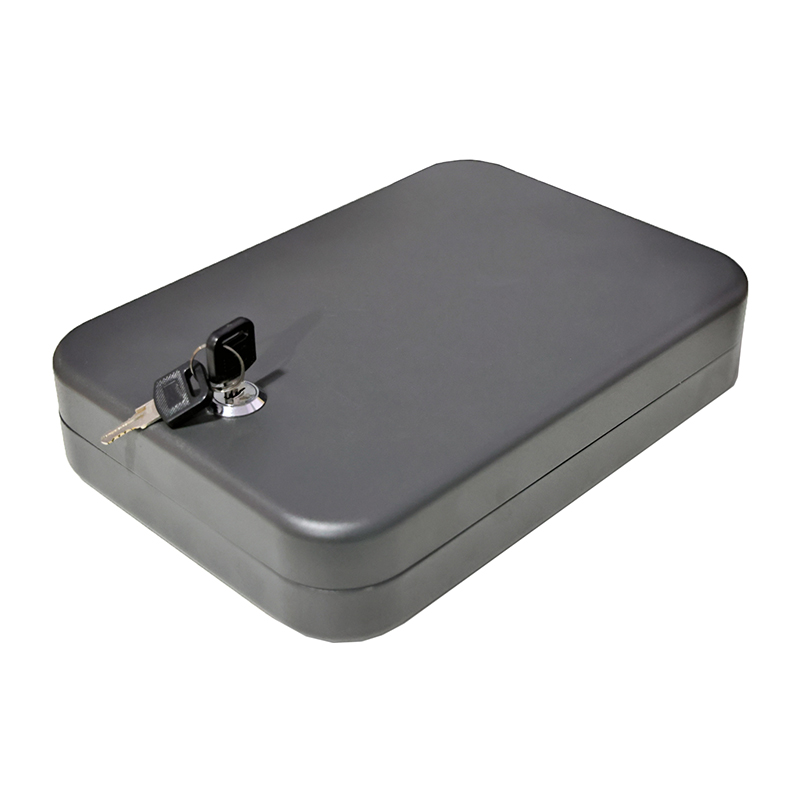
The Transportation Security Administration operates under a clear mandate: agents must be able to inspect any checked bag at any time, without the owner present. When a non-compliant lock blocks that access, agents are authorized to cut it off entirely, leaving your belongings exposed for the remainder of the journey. TSA-compliant locks solve this by incorporating a secondary keyhole that can only be opened by one of the official TSA master keys, administered through either the Travel Sentry or Safe Skies certification programs.
Travel Sentry, the most widely adopted standard, is recognized at more than 650 airports across 75 countries and territories, covering roughly two billion travelers annually. Its certification mark is a small red diamond symbol stamped on the lock body. Safe Skies uses a red-and-white torch logo and is functionally equivalent. If your portable lock box carries either mark, TSA agents will recognize it immediately, open the secondary keyhole with their master key, conduct their inspection, and close everything back up without leaving a scratch on your combination mechanism.
A TSA-compliant lock is not about granting security unlimited access to your belongings. It is about channeling that access through a controlled, reversible mechanism rather than through a pair of bolt cutters.
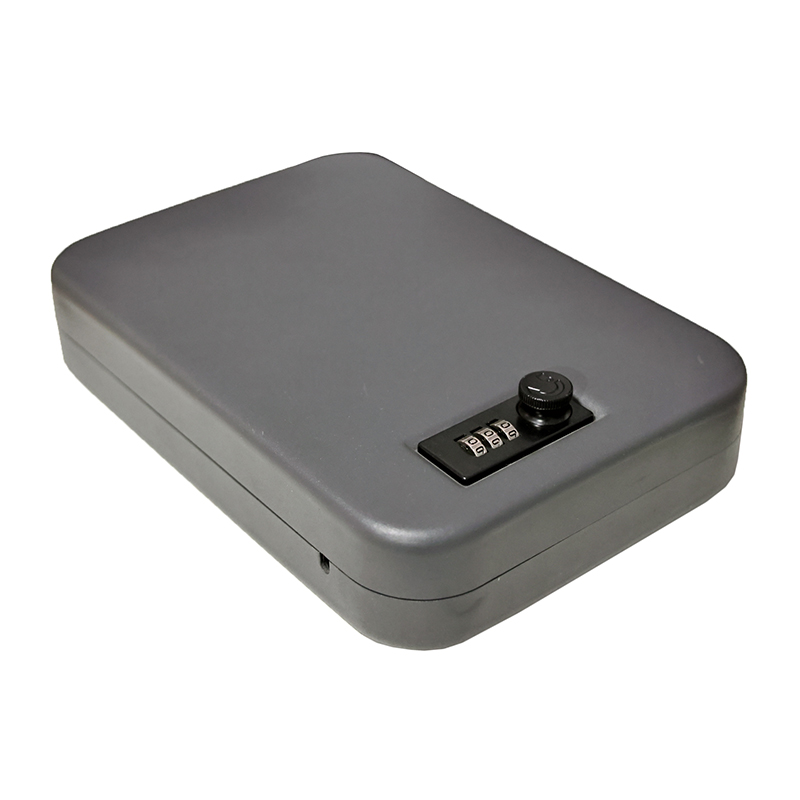
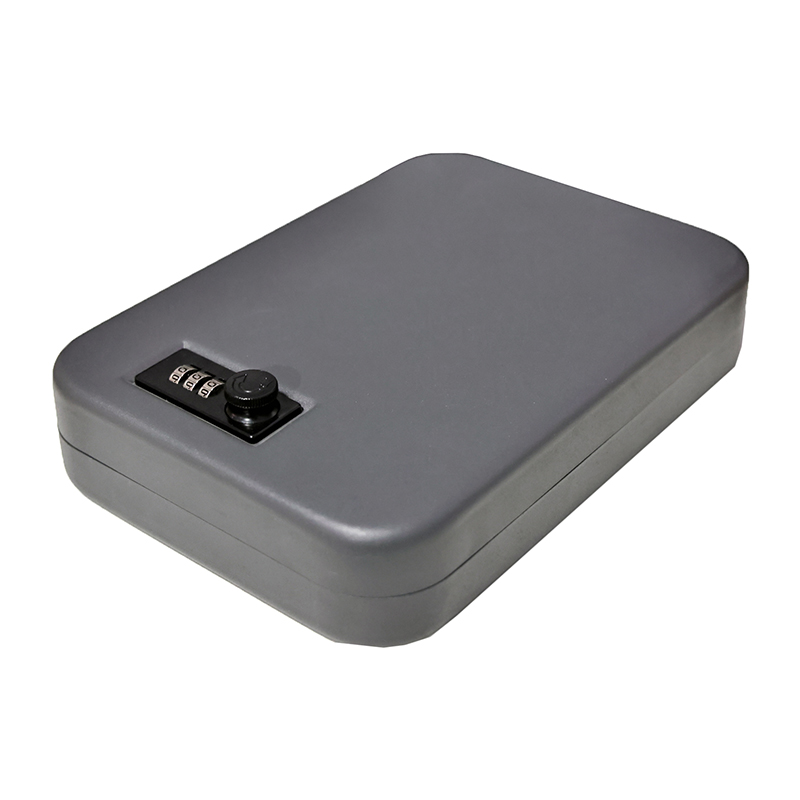
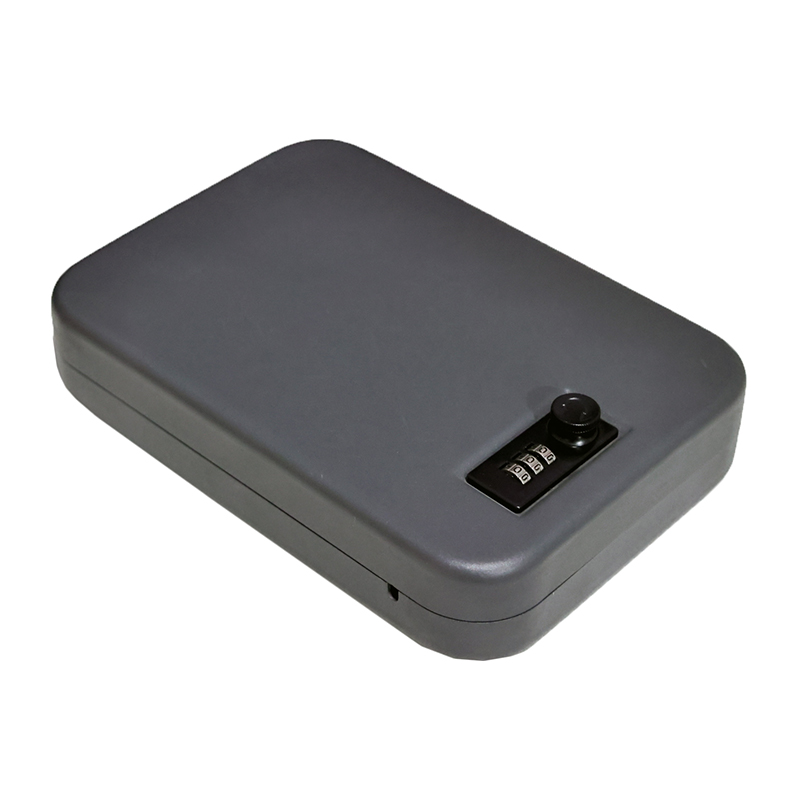
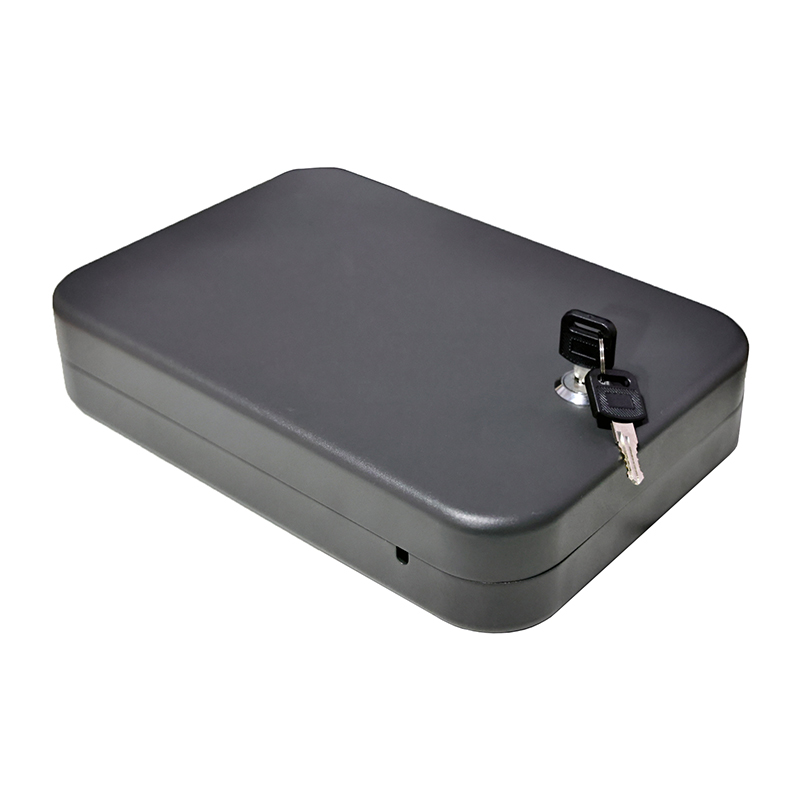
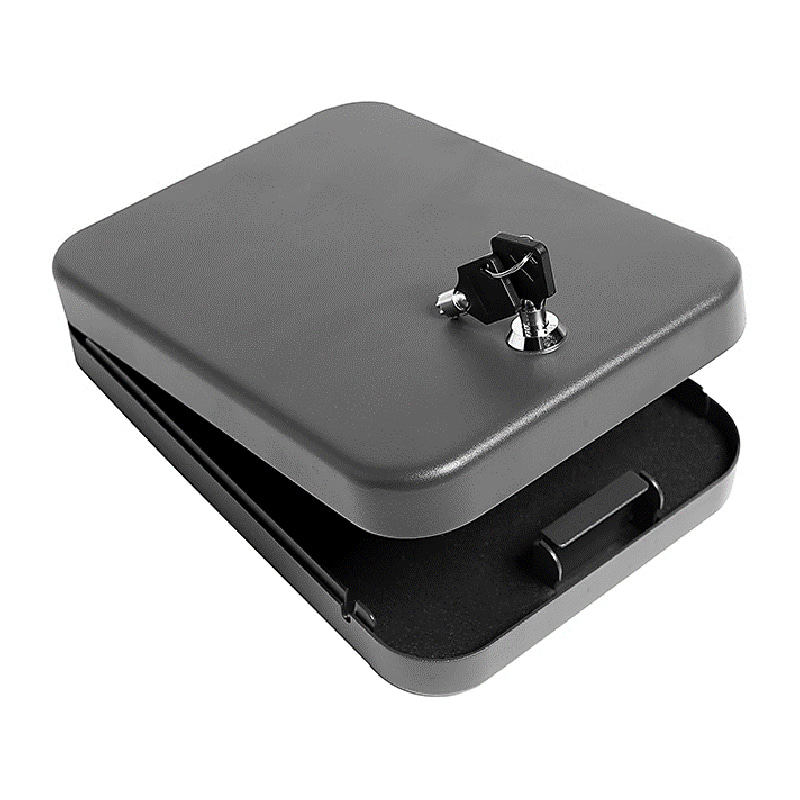
It is worth being precise about one term that causes confusion in the marketplace. A lock box in the travel context refers to a portable, rigid or semi-rigid container with an integrated TSA-compliant combination lock, used to secure valuables inside luggage or as a standalone secured pouch. This is distinct from a bare padlock or a cable lock, though all three categories can carry TSA certification. The box format adds a physical layer of containment around the items themselves, rather than simply sealing a zipper or hasp.
The Combination Mechanism: How It Works and Why It Matters
Nearly all portable TSA lock boxes sold today use a resettable combination dial system, typically with three or four digits offering between 1,000 and 10,000 possible codes. The lock ships preset to a factory default, commonly 0-0-0, and the owner sets a personal code by following a short reset procedure: aligning the dials to the current open code, pressing or turning a small reset button, dialing in the new combination, and releasing.
The keyless nature of a combination system is its primary practical advantage over key-based alternatives. A lost key while traveling internationally is a severe logistical problem. A forgotten combination is recoverable in most cases through the manufacturer, though TSA does not assist with lost codes. For most travelers, a four-digit code tied to something personally memorable eliminates the key-loss risk without introducing a significant memory burden.
Core Anatomy of a TSA-Compliant Portable Combination Lock Box
- Hardened steel or reinforced zinc alloy outer shell resisting impact and prying
- Three- or four-dial combination mechanism with 1,000 to 10,000 possible codes
- Secondary TSA master keyhole accepting Travel Sentry or Safe Skies certified keys
- Rubber or vinyl lining protecting contents from abrasion and minor shock
- Steel cable or rigid hasp for attachment to luggage frames or fixed anchor points
- Travel Sentry red diamond or Safe Skies torch logo stamped on the exterior
Materials, Construction, and Durability Standards
The physical shell of a quality portable combination lock box is typically formed from powder-coated steel or a hardened zinc alloy. Powder coating extends corrosion resistance and gives the surface a matte or semi-gloss finish that resists minor scratches during baggage handling. The shackle or cable component, if present, is usually braided steel with a vinyl or rubber sleeve to prevent rust and protect zipper teeth or bag fabric.
Anti-tamper construction matters in ways that go beyond the combination itself. Premium models incorporate anti-drill pins inside the cylinder, borosilicate shrouds around the shackle entry points, and hardened steel inserts to defeat shimming attacks. For a portable lock box used inside checked luggage, this level of resistance is usually more than adequate. The realistic threat model in airport baggage handling is opportunistic theft, not a targeted defeat of a specific security device.
Interior lining is frequently overlooked but genuinely important if the box is intended to carry electronics, jewelry, or medication. Soft foam or felt padding prevents items from rattling and absorbs the shock of bags being dropped or stacked. Some higher-end models use a water-resistant inner liner, useful for travelers who move through humid climates or who pack liquid medications.
TSA-Compliant vs. Standard Combination Lock: A Direct Comparison
Travelers sometimes weigh whether a TSA-compliant lock box is necessary at all, or whether a conventional combination padlock provides superior security by denying access to anyone, including security agents. The answer depends entirely on where and how you travel.
| Feature | TSA-Compliant Lock Box | Standard Combination Lock |
|---|---|---|
| Survives TSA inspection intact | Yes | No - will be cut |
| Recognized at 650+ international airports | Yes | No |
| Keyless operation | Yes | Yes |
| Resettable personal combination | Yes | Yes |
| Accessible only to owner in practice | Primarily - master key access exists | Yes |
| Suitable for U.S. domestic flights | Recommended | Risk of removal |
| Suitable for international travel | 75+ countries | Varies by country |
The global market for TSA-approved locks was valued at roughly 1.3 billion USD in 2024, with combination locks accounting for approximately 45 percent of that segment. That market share reflects a genuine consumer preference: travelers have broadly concluded that the compliance benefit outweighs the theoretical security reduction of having a secondary access point.
Choosing the Right Portable Lock Box for Your Travel Needs
Not every portable combination lock box serves the same purpose equally well. The following considerations will help you match a product to your specific travel pattern.
Size and Capacity
Portable lock boxes range from palm-sized pouches holding a single passport and two credit cards to larger rigid cases designed for electronics, DSLR lenses, or firearm accessories. Consider what you actually need to secure and whether the box needs to fit inside your carry-on, your checked bag, or be used as a freestanding item in a hotel room or vehicle.
Attachment Method
Some lock boxes are designed as standalone units. Others include a fixed steel cable that threads through luggage handles, anchors to a hotel safe, or loops around a fixed object in a vehicle. If portability between multiple bags is a priority, a cable-integrated model that can be repositioned quickly will serve better than a box with a hardwired attachment point.
Dial Configuration
Three-dial mechanisms offer 1,000 combinations, which is sufficient deterrence for most travel scenarios. Four-dial mechanisms offer 10,000, which provides meaningfully stronger resistance to systematic guessing. If the box will be left unattended for extended periods or will contain high-value items, the four-dial version is the better choice.
Certification Logo Verification
Before purchasing, physically verify that the product bears either the red Travel Sentry diamond or the Safe Skies torch on the lock body itself, not just on the packaging. Counterfeit or falsely marketed products occasionally appear, particularly in discount retail channels. A lock that looks TSA-compliant but lacks the actual master keyhole will be cut off just as readily as any non-compliant lock.
How to Set and Reset Your Combination
01
Begin with the lock in the open position, dials aligned to the factory default code (usually 0-0-0 or 000). If purchasing secondhand, confirm the current open code before attempting a reset.
02
Locate the reset button, typically a small recessed pin accessible with a pen tip or a pointed tool included in the packaging. Depress and hold this button while the lock is open.
03
While holding the reset button, dial in your chosen combination. Avoid obvious sequences such as birth years, phone number fragments, or 1-2-3-4 that a determined observer might guess.
04
Release the reset button and close the lock. Test the combination immediately by scrambling the dials and reopening with your new code before relying on it during travel.
05
Store a written record of your combination in a secure location separate from the lock itself, such as an encrypted password manager or a note kept at home. TSA does not assist in recovering forgotten codes, and most manufacturers require the lock to be physically returned for a reset service.
Multi-Purpose Use Beyond Air Travel
The utility of a TSA-compliant portable combination lock box extends well beyond the airport. The same properties that make it appropriate for checked luggage also make it effective for a range of everyday security applications.
Hotel rooms are a common use case. Many hotel safes are mounted in obvious locations, use easily guessed default codes, and are accessible to housekeeping staff. A portable lock box secured with your own combination and anchored to a fixed furniture piece through its cable loop provides a faster and more discreet way to secure a passport, foreign currency, or spare payment cards during day trips.
Lockers at gyms, hostels, and transit hubs accept standard combination padlocks, and a lock box with an integrated padlock-style shackle doubles as both a container for small valuables and a locker lock. Some travelers use them as a car glove compartment supplement, securing prescription medications or a backup debit card to the seat frame during excursions where the vehicle will be parked in an unfamiliar area.
The combination lock box earns its keep not just on the flight, but throughout the entire trip. It is the one piece of security equipment that travels with you rather than waiting at the destination.
Understanding the Limits of TSA Compliance
TSA compliance does not mean TSA endorsement of your lock's security strength. The certification confirms only that the lock includes an authorized access mechanism for security agents. It says nothing about the resistance of the combination dial to casual tampering, the tensile strength of the shackle, or the hardness of the outer shell.
A realistic assessment of the threat environment is useful here. The most common form of baggage theft involves opportunistic access during interline transfers, when bags pass between carriers and handling staff changes. Locks serve primarily as deterrents against this kind of opportunistic interference, not as barriers against a determined adversary with tools and time. A TSA-compliant combination lock box provides effective deterrence against casual theft, and that is the scenario it is genuinely designed to address.
For travelers carrying items of exceptional value, the appropriate strategy pairs a TSA-compliant lock box with complementary measures: a tamper-evident luggage seal, a bag tracking device, photographing the bag interior and exterior before check-in, and choosing airlines and routes with better handling reputations for fragile or high-value cargo.
The Travel Sentry Master Key System Explained
Travel Sentry licenses its master key designs to TSA and to security agencies in partner countries. Each lock design corresponds to a specific master key, and the lock body typically bears a code such as TSA001 or TSA007 indicating which key opens it. This numbering is stamped visibly on the lock so that agents can immediately select the correct tool from their set rather than trialing multiple keys.
The master key system is not public knowledge in terms of key duplication or distribution, but it has been widely reported that 3D-printed versions of the TSA master keys have circulated online following a 2015 leak of the key profiles from a newspaper photograph. This does not meaningfully increase the practical risk to most travelers, since the threat model for baggage theft rarely involves someone carrying a set of duplicated TSA keys through an airport. It does reinforce the point that the combination lock box is a deterrent layer and a compliance tool, not an absolute security guarantee.
Frequently Asked Questions
Can I use a TSA-compliant lock box on international flights?
Yes, in most cases. Travel Sentry certification is recognized at over 650 airports across 75 countries and territories. For destinations outside this network, particularly some routes in Southeast Asia and parts of Africa, a local security agent may not recognize the lock or possess the master key. In those cases, the lock may be cut if a manual inspection is required. Researching your specific destination's security protocols before departure is always advisable for extended international itineraries.
What happens if I forget my combination mid-trip?
TSA does not assist with forgotten combinations. Most manufacturers provide a customer service process, but it typically requires shipping the lock back to their facility, which is impractical during travel. Some locksmiths can decode basic combination locks on-site. The most practical solution is preventing the problem entirely: store your combination in a password manager accessible on your phone before departing.
Can I use a TSA-compliant lock box for medication or firearms?
For prescription medication storage during travel, a portable lock box is a practical and legal solution in most jurisdictions. For firearms, federal regulations in the United States require that checked firearms be transported in a hard-sided, locked container that the passenger controls. TSA-compliant locks are acceptable for firearm cases provided the container meets the hard-sided requirement. Passengers carrying firearms must also declare them at the check-in counter and follow specific airline and federal procedures.
Is a combination lock box better than a key padlock for travel?
For the majority of travelers, yes. A combination mechanism eliminates the single greatest vulnerability of key-based locks: losing the key. Key padlocks are slightly more resistant to shimming attacks due to their cylinder design, but for the threat level most travelers face, the practical convenience of a combination greatly outweighs this marginal difference in resistance. The combination format also allows multiple family members traveling together to share a single code without requiring duplicate physical keys.
A TSA-compliant portable combination lock box occupies a specific and well-defined position in the travel security landscape. It does not promise impermeability. What it does deliver is consistent, durable deterrence against the most common forms of baggage interference, reliable passage through security inspection without damage, and the keyless convenience that makes it practical to use on every single trip rather than left behind because the key was misplaced. For travelers who check bags with any regularity, it is one of the most cost-effective pieces of equipment in the entire packing kit.
-

Arnostanley Electric is committed to providing customers with home security OEM and ODM services, as well as comprehensive professional solutions.
-
Product List
Pistol Safe Lock Box Gun Cabinet Home Safe Safe Accessories Product Customization -
Contact Info.
+86-(0)574-6248 327+86-180 6720 2630Lucas_zhu@arnostanley.comNo.16 Beixing East Road, Yuyao City, Zhejiang Province, China -
Follow Us
Copyright © 2025 Ningbo Arnostanley Electric Co., Ltd. ALL Rights Reserved.
Custom Secure Storage Solutions Suppliers
