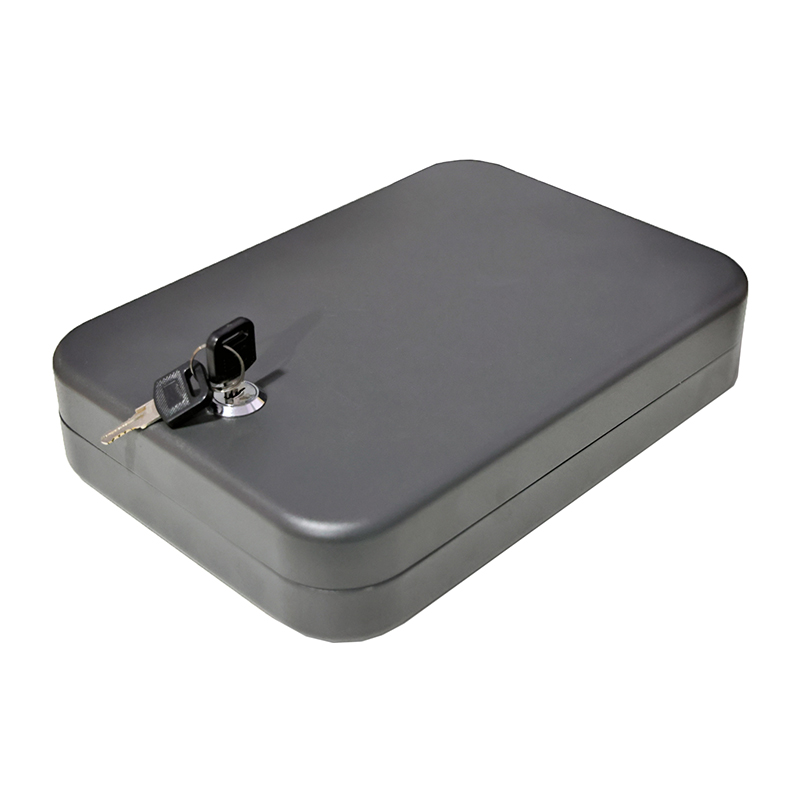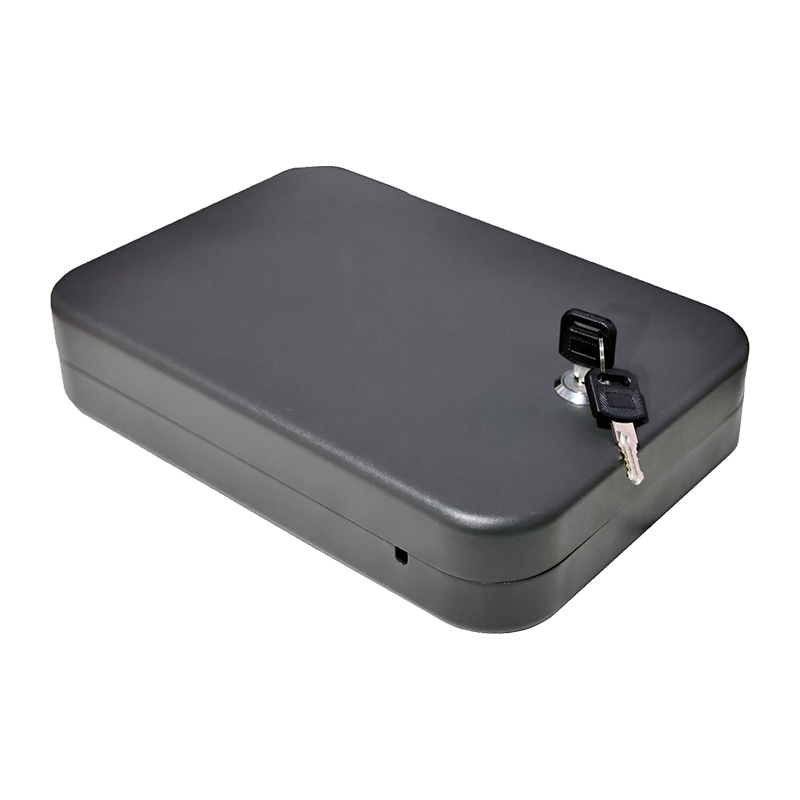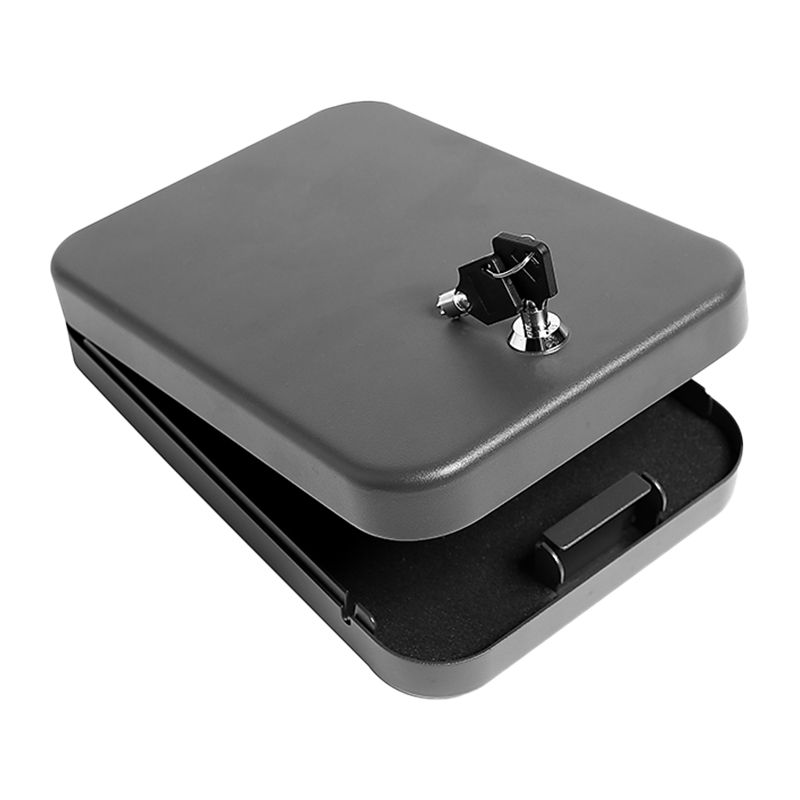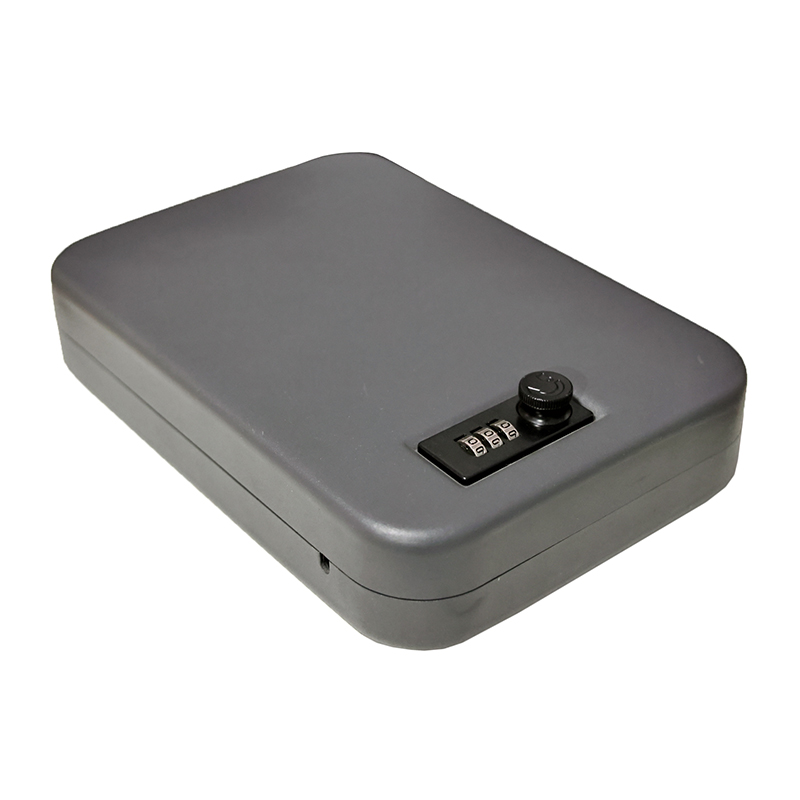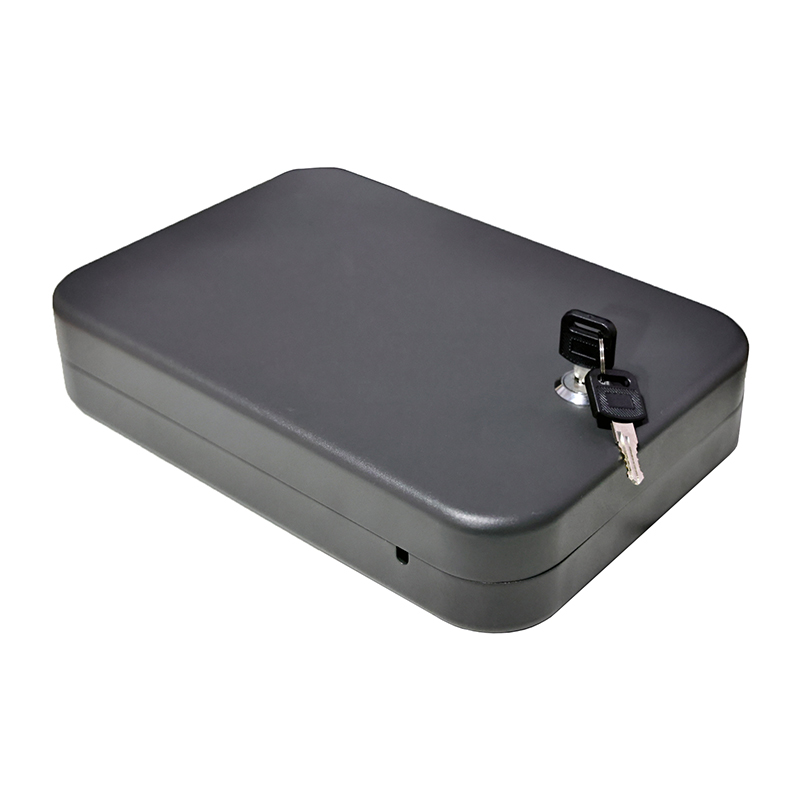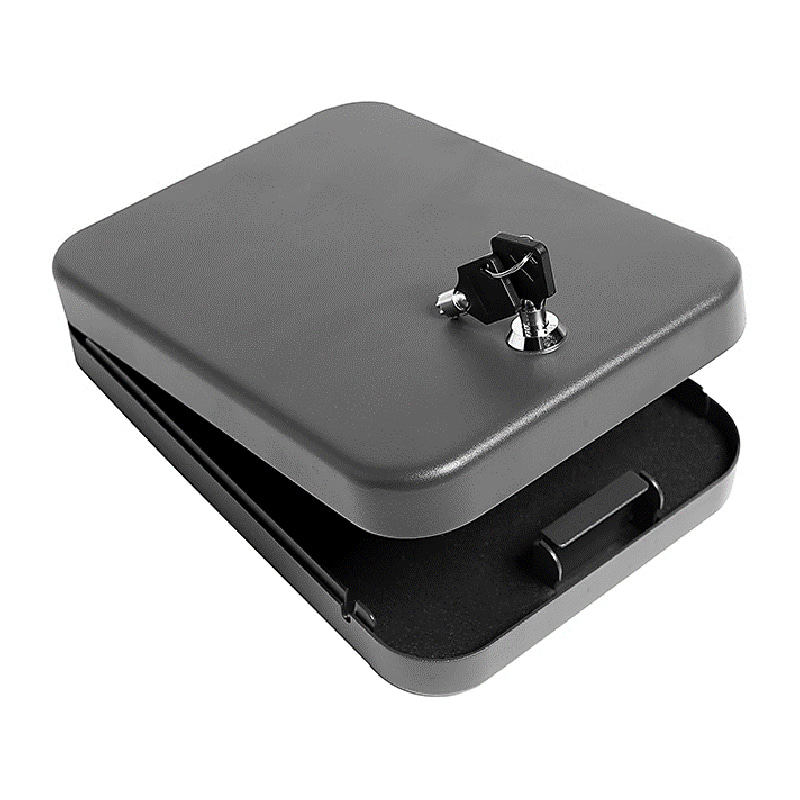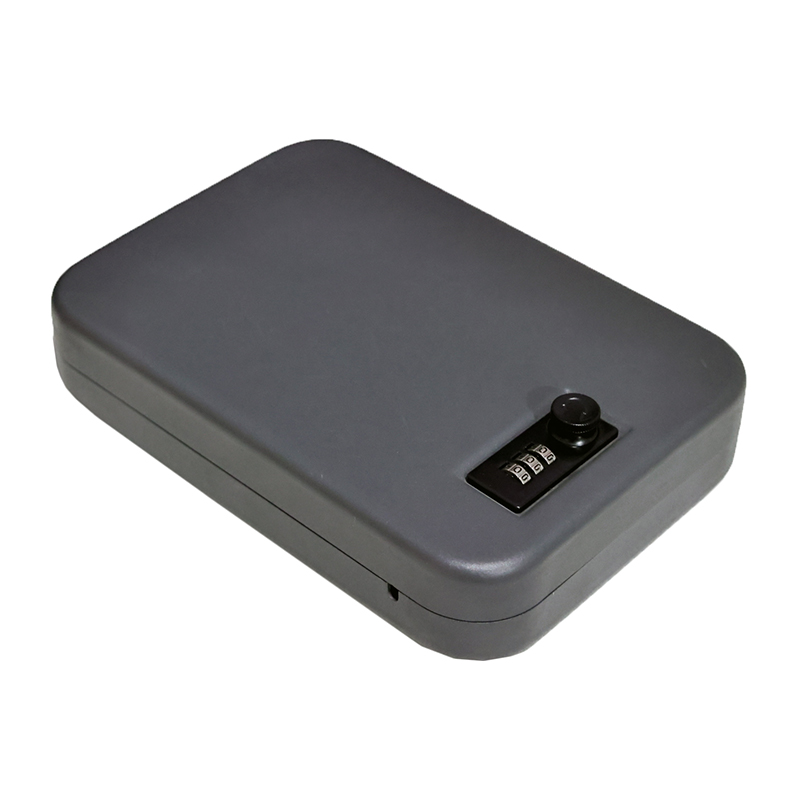
LB011K Lock Box with Key Lock for Sub-compact Pistol
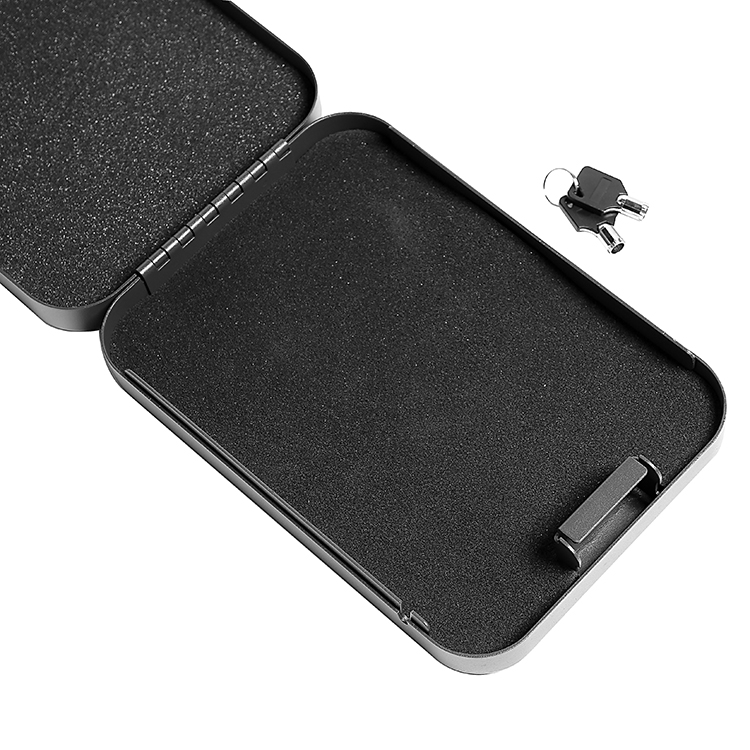
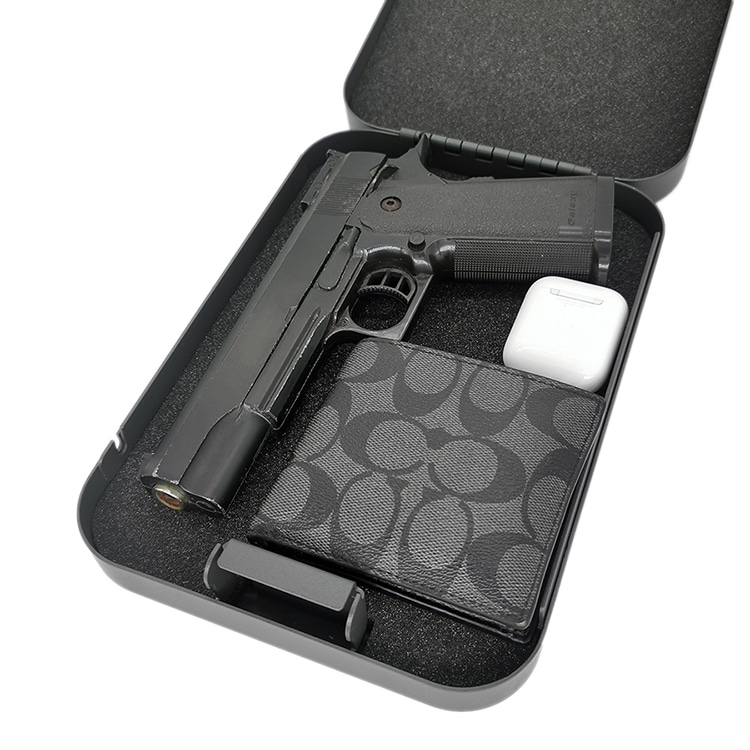
The LB011K Lock Box with Key Lock for Sub-compact Pistol is highly secure and compact. It uses a key locking mechanism to ensure that only the person holding the key can open it, preventing unauthorized access and enhancing anti-theft and privacy protection. The outer shell of the lock box is usually made of sturdy steel, which can effectively resist physical impact and protect the stored items from damage. The interior is often equipped with a cushion or foam lining to prevent scratches or other damage to the surface of the weapon. In terms of design, the LB011K is very suitable for storing small or sub-compact pistols. It not only meets security requirements, but also has the characteristics of easy access. It is suitable for use in occasions such as in the car, office or home. Whether it is for travel, daily carry, or when it needs to be stored in a hidden location, the LB011K lock box can provide additional security.
Established in 2000, is a leading manufacturer of electrical cabinets, sheet metal enclosures, and precision plastic injection products in Ningbo, China. With a customer-focused approach, we deliver high-end customized solutions for a global clientele and have built strong partnerships with world-class brands.
Production Facilities
We operate two state-of-the-art manufacturing plants in Yuyao, each covering over 50,000 square meters. Our factories are equipped with advanced machinery, including:
Laser cutting machines
CNC machining and bending centers
Laser welding machines
Injection molding machines
Phosphating and painting lines
Assembly lines
Comprehensive setup of over 70 machines enables efficient, precise production of complex components.
Products & Partners
We offer a diverse product range, including:
· High-quality safes (including gun safes and security doors)
· Custom sheet metal solutions and electrical control cabinets
· Tool carts and premium plastic components
Since our founding, we have collaborated with world-renowned brands such as Siemens, Emerson, Schneider (EU) and Panasonic, Sanyo (Japan), providing extensive OEM/ODM services and meeting diverse customer needs.
Quality & Strengths
We strictly adhere to the ISO9001 quality management system, enforcing comprehensive quality control from design through production to ensure consistent performance. Our core strengths include:
· Reliable product quality with competitive pricing
· Continuous innovation and efficient production processes
· In-house R&D and engineering teams enabling customized OEM/ODM solutions
This customer-focused approach and commitment to excellence have driven our rapid growth and strong industry reputation.
Sheet metal stamping parts processing refers to the processes such as cutting, bending, stamping and welding of metal sheets to manufacture components or products that meet design requirements. In the sheet metal processing, heat treatment is an important step, which directly affects the mechanical properties, dimensional accuracy and surface quality of the material. However, during the heat treatment process, some problems often occur, such as deformation, cracking, and uneven hardness. This article will explore the basic principles, common problems and solutions of heat treatment, etc., to help better solve the heat treatment problems in sheet metal processing.
1. Basic Principles of Heat TreatmentHeat treatment is a process that alters the internal structure of metallic materials through heating, holding at temperature, and cooling, thereby achieving the desired mechanical and physical properties. Common heat treatment processes include annealing, normalizing, quenching, tempering, etc. In sheet metal processing, the main purpose of heat treatment is to enhance the hardness, strength, wear resistance of the material or improve its processing performance.
Annealing: Heat the material to a certain temperature and then cool it slowly to eliminate internal stress, refine grains, and improve processing performance.
Normalizing: Heat the material to a temperature above the critical point and then air cool it to enhance its strength and hardness.
Quenching: Heat the material above the critical temperature and then rapidly cool it to achieve high hardness and strength.
Tempering: After quenching, the material is heated to a lower temperature and held at that temperature to reduce brittleness and improve toughness.
2. Common Heat Treatment Issues in Sheet Metal ProcessingDeformationDuring the heat treatment process, due to uneven heating of the material or overly rapid cooling, internal stress is prone to occur, leading to deformation of the workpiece. Especially for thin-walled parts or sheet metal parts with complex shapes, the deformation problem is particularly prominent.
CrackingDuring the quenching process, if the cooling rates on the surface and inside the material are inconsistent, it is easy to generate significant internal stress, leading to cracking. Especially high-carbon steel or alloy steel, its risk of cracking is relatively high.
Uneven hardnessDue to uneven heating temperature or inconsistent cooling rate, it may lead to uneven hardness distribution on the surface or inside the workpiece, affecting the performance of the product.
Oxidation and decarbonizationDuring the heating process, the material surface reacts with oxygen in the air to form an oxide scale or decarburization layer, which affects the surface quality and mechanical properties of the workpiece.
Dimensional deviationAfter heat treatment, the dimensions of the material may shrink or expand, causing the workpiece dimensions to exceed the tolerance and fail to meet the design requirements.
3. Methods for Solving Heat Treatment ProblemsOptimize the heat treatment process parameters
Heating temperature: Select the heating temperature reasonably based on the chemical composition and performance requirements of the material. Excessively high temperatures may lead to coarse grains, while excessively low temperatures fail to achieve the expected heat treatment effect.
Holding time: If the holding time is too long, it will cause grain growth; if it is too short, the material cannot be fully homogenized. The appropriate holding time should be determined based on the thickness of the workpiece and the material properties.
Cooling rate: For quenching processes, the cooling rate is crucial. The appropriate cooling medium (such as water, oil, air, etc.) should be selected based on the hardenability of the material and the shape of the workpiece to avoid deformation and cracking.
Adopt uniform heating and cooling methods
Advanced heating equipment (such as induction heating, vacuum furnaces, etc.) is used to ensure uniform heating of the workpiece.
For workpieces with complex shapes, staged cooling or isothermal quenching processes can be adopted to reduce internal stress and deformation.
Control deformation
Before the heat treatment of sheet metal precision processing, a pre-deformation design is carried out on the workpiece to counteract the possible deformation that may occur during the heat treatment process.
Use fixtures or molds to fix the workpiece and restrict its free deformation during heating and cooling processes.
Prevent oxidation and decarbonization
During the heating process, use a protective atmosphere (such as nitrogen or argon) or a vacuum environment to prevent the material from coming into contact with air.
For cases where a protective atmosphere cannot be used, anti-oxidation coatings can be applied to the surface of the workpiece.
Tempering treatmentTempering treatment should be carried out in a timely manner after quenching to eliminate internal stress, reduce brittleness and improve toughness. The tempering temperature and time should be determined based on the material properties and workpiece requirements.
Material selection and pretreatment
Select materials suitable for heat treatment and avoid using materials that are sensitive to heat treatment.
Before heat treatment, the material is pre-treated (such as annealing or normalizing) to improve its microstructure and processing performance.
Quality inspection and control
After heat treatment, the hardness, size and surface quality of the workpiece are inspected to ensure that they meet the design requirements.
Non-destructive testing techniques (such as ultrasonic testing, magnetic particle inspection, etc.) are used to check whether the workpiece has defects such as cracks.
4. Case AnalysisA certain sheet metal processing factory found that the workpieces had severe deformation and cracking after quenching during the production of stamping parts sheet metal processing. After analysis, it was found that the main problems lie in uneven heating and overly rapid cooling. For this reason, the factory has taken the following improvement measures:
Switch to induction heating equipment to ensure uniform heating of the workpiece.
Use oil cooling instead of water cooling to reduce the cooling rate.
After quenching, add tempering process to eliminate internal stress.
After the improvement, the deformation and cracking problems of the workpiece were effectively solved, and the product quality was significantly enhanced.
5. SummaryIn sheet metal processing, heat treatment is an important step to ensure the performance of materials. Problems that occur during heat treatment can be effectively solved by optimizing process parameters, adopting advanced heating and cooling methods, and controlling deformation and oxidation. At the same time, strengthening quality inspection and control to ensure that the workpieces after heat treatment meet the design requirements is the key to improving the quality of sheet metal processing.
Key principles of sheet metal stamping die design
Material fluidity control
Reasonable parting surface design: Ensure smooth material flow path and reduce sudden change resistance.
Optimization of drawing ribs: In stainless steel sheet metal processing, drawing ribs (circular/rectangular cross-section) are arranged on the blanking surface to precisely control the material inflow and balance local stretching and compression.Objective: To achieve uniform plastic deformation and avoid excessive thinning or accumulation in certain areas.
The structural strength and precision of molds
Rigidity and wear resistance: Made of high-hardness steel such as Cr12MoV, the hardness of key parts is HRC58-62. Increase the guide columns (≥4 groups) and interference fit to suppress the offset caused by lateral forces.
Surface finish: The working surface is polished to below Ra0.4μm to reduce frictional resistance.
Coordination of process parameters
Dynamic adjustment of blank holder force: The sheet metal processing of chassis and cabinets achieves zoned control of blank holder force through nitrogen gas springs or hydraulic systems (such as applying pressure in the edge area to prevent wrinkles and reducing pressure in the center area to prevent cracking).
Stamping speed classification: The deep drawing process adopts a "slow-fast-slow" speed curve to reduce the risk of impact cracking.
Defect prevention and control measures
Avoid cracking (material fracture)
Increase the fillet radius: The fillet of the punch/die should be ≥5 times the material thickness (t) to reduce stress concentration.
Optimize the shape of the punch: Use stepped or spherical punches to disperse tensile stress.
Lubrication enhancement: Use high-viscosity lubricants containing extreme pressure additives (such as sulfurized olefins) to reduce the coefficient of friction by more than 30%.
Inhibit wrinkling (material instability)
Precise control of blank holder force: The unit blank holder force is set at 1.5 to 2 times the yield strength of the material (for example, 2 to 3MPa for SPCC steel).
Increase the density of the stretch bars: In areas prone to wrinkling (such as where the surface changes abruptly), increase the density of the stretch bars, with a bar height of 6-8 tons and a bar width of 12-15 tons.
Material pre-stretching: Release local pressure through the process cut (Carry Hole).
Prevent excessive thinning (uneven thickness)
CAE simulation in advance: Utilize AutoForm/Dynaform to simulate material flow and identify high-risk areas with a thinning rate greater than 20%.
Thinning rate control: During the design stage, the thinning rate can be controlled to ≤15% (for aluminum materials) or ≤20% (for low-carbon steel).
Multi-process allocation: Deep drawing parts are drawn 2 to 3 times, with an additional annealing process in between (for example, stainless steel is annealed when the deformation is 40%).
Application of Typical Cases
Automobile fuel tank shell stamping
The cracking rate at the corners is 15%.
Countermeasure: Increase the fillet of the die from 3t to 6t. Add a 20° guide bevel to the punch; The blank holder force has been reduced from 250t to 180t.
Result: The cracking rate was reduced to 0.5%, and the thinning rate was optimized from 25% to 18%.
Core logic: Balance material flow through mold geometry optimization (fillet/guide Angle), and achieve dynamic balance between tension and pressure through CAE simulation and parameter regulation (blank holder force/drawing rib), fundamentally suppressing the generation of defects.
Sheet metal processing technology is a widely used process in manufacturing, involving procedures such as cutting, bending, stamping and welding of metal sheets. In the product manufacturing process, ensuring product consistency is of vital importance, especially in mass production. Product consistency not only affects product quality, but also directly relates to the production efficiency of enterprises and customer satisfaction. The following are several key aspects of how sheet metal processing technology can enhance product consistency:
1.Optimize the process design
Process design is the foundation of sheet metal processing and directly affects the precision and consistency of the product. By optimizing the process design, errors and deviations during the processing can be reduced.
Standardized process flow: Develop a unified processing procedure, clarify the operation norms for each step, and ensure that each product is processed in accordance with the same steps and standards.
Choose the processing method reasonably: Select the appropriate processing method based on the product characteristics, such as laser cutting, CNC bending, etc., to reduce the errors caused by human operation.
Reduce the number of processes: By merging or simplifying processes, the uncertainty in the processing can be reduced, thereby enhancing product consistency.
2. Introduce automated equipment
The application of automated equipment in stainless steel sheet metal processing can significantly enhance product consistency and reduce the influence of human factors.
CNC machine tools: CNC machine tools can accurately control the dimensions and angles of processes such as cutting and bending, ensuring consistent processing parameters for each product.
Laser cutting machine: Laser cutting technology features high precision and high repeatability, enabling accurate cutting of complex shapes and reducing material waste and errors.
Robot welding: Robot welding can ensure the uniformity and consistency of weld seams and avoid the unstable factors that may occur in manual welding.
3. Strengthen material management
The quality and consistency of materials are the foundation of sheet metal processing. By strengthening material management, product consistency can be enhanced from the source.
Select high-quality materials: Use metal plates that meet standards to ensure consistent thickness, hardness and surface quality of the materials.
Material pretreatment: Pre-treat the materials, such as rust removal and oiling, to prevent surface issues of the materials from affecting processing quality.
Batch management: Conduct batch management on materials to ensure that products in the same batch use materials from the same batch, reducing inconsistencies caused by material differences.
4. Enhance the precision of molds and tooling
Molds and fixtures are important tools in sheet metal processing, and their precision directly affects the size and shape of the products.
High-precision molds: Use high-precision molds to ensure that the dimensions and shapes of each stamping or bending are consistent.
Regular maintenance: Regularly maintain and calibrate molds and fixtures to prevent product errors caused by wear or deformation.
Quick replacement: Adopting a modular design, it enables rapid replacement of molds and tooling, reducing the adjustment time caused by tool changes.
5. Strict quality control
Quality control is a key link to ensure product consistency. Through strict quality control, problems in processing can be detected and corrected in a timely manner.
Online inspection: Introduce online inspection equipment during the processing to monitor the size, shape and surface quality of the products in real time.
First piece inspection: Before mass production, the first piece of product is inspected to ensure that the processing parameters and techniques meet the requirements.
Sampling inspection: Conduct sampling inspection during mass production to promptly identify and address potential issues.
Data analysis: By using data analysis techniques, key parameters during the processing are monitored and analyzed to identify factors affecting consistency and make improvements.
6. Train the operators
The skills and experience of the operators have a significant impact on the consistency of sheet metal processing. Through training, the professional level of operators can be enhanced.
Skills training: Regularly provide skills training to operators to enable them to master processing equipment and techniques proficiently.
Standard Operating procedures: Develop and strictly enforce standard operating procedures to ensure that every operator processes in accordance with uniform standards.
Experience Sharing: Encourage operators to share their experiences and skills to enhance the overall processing level of the team.
7. Optimize production management
Production management is an important link in sheet metal processing. By optimizing management, production efficiency and product consistency can be enhanced.
Production plan: Develop a reasonable production plan to avoid product quality issues caused by rushing or work stoppages.
Equipment maintenance: Regularly maintain and service the processing equipment to ensure it is always in good condition.
Environmental control: Control the temperature, humidity and other conditions of the production environment to avoid the impact on processing quality due to environmental changes.
8. Introduce information technology
The application of information technology can enhance the intelligent level of sheet metal processing and further improve product consistency.
MES system: Introduce the Manufacturing Execution System (MES) to achieve real-time monitoring and management of the production process.
CAD/CAM software: Utilize computer-aided design (CAD) and computer-aided manufacturing (CAM) software to optimize product design and processing paths.
Data traceability: Establish a data traceability system to record the processing parameters and test results of each product, facilitating analysis and improvement.
9. Continuous improvement
Improving product consistency is a continuous improvement process that requires constant experience summary and process optimization.
Problem feedback: Establish a problem feedback mechanism to promptly identify and resolve issues arising during processing.
Process optimization: Based on the feedback results, continuously optimize the processing technology and equipment parameters.
Technological innovation: Focus on new technologies and equipment in the industry, introduce advanced processing techniques, and enhance product consistency.
Summary
By optimizing process design, introducing automated equipment, strengthening material management, enhancing the precision of molds and tooling, strictly controlling quality, training operators, optimizing production management, introducing information technology and continuous improvement, sheet metal processing technology can significantly enhance product consistency. This not only helps to improve product quality and customer satisfaction, but also reduces production costs and enhances the market competitiveness of enterprises.
Sheet metal processing is a common method of metal processing, usually used to make various metal parts. During the sheet metal processing, some common problems may occur, such as deformation, cracking, discoloration, etc. The following is a sharing of common problems and solutions in sheet metal processingDeformation: During the sheet metal processing, due to reasons such as the metal material being subjected to stress or uneven heat treatment, parts may deform. The solutions include the rational design of the process flow, the selection of appropriate materials and processing techniques, and the control of processing temperature, etc.
Cracks: Cracks are common problems in sheet metal processing, usually caused by excessive stretching or bending of metal materials, or by processing speeds that are too fast. The solutions include adjusting processing parameters, adopting appropriate technological processes, and enhancing the hardness of materials, etc.
Discoloration: During the sheet metal processing, the metal surface may experience discoloration, mainly caused by oxidation, wear, burning and other reasons during the processing. The solutions include the application of oxidation protective coatings, control of processing temperatures, and meticulous treatment of metal surfaces, etc.
Precision issues: The sheet metal processing of chassis and cabinets requires high dimensional and shape accuracy of parts. However, in actual processing, problems such as dimensional deviations and irregular shapes may occur. The solutions include the use of high-precision processing equipment, adjustment of processing parameters, and strengthening of quality control, etc.
Surface quality issues: During the sheet metal processing, surface defects such as scratches, dents, and bubbles may occur on the parts' surfaces, affecting the appearance and functionality of the products. The solutions include using appropriate process flows, controlling processing parameters, and enhancing surface treatment, etc.
Overall, the common problems that occur in the stainless steel sheet metal processing can all be solved by reasonably designing the process flow, choosing appropriate materials and processing techniques, and controlling processing parameters, etc. At the same time, strengthening quality control and continuously improving processing technology are also effective ways to avoid problems. Only by constantly improving processing technology and management level can the quality and performance of sheet metal processing products meet the requirements.
The Top-Entry 2 Guns Biometric Pistol Safe ensures secure, rapid access to your firearms. It safely stores up to two handguns plus ammunition out of unauthorized reach – ideal for homes with children....
The Top-Entry 4 Guns Biometric Pistol Safe provides secure storage for up to four handguns and includes a foam rack for organized placement. It offers three rapid access methods: a 508DPI biometric fi...
Equipped with a high-resolution 508 DPI biometric scanner that stores up to 100 fingerprints and unlocks in just 0.2 seconds for instant access in emergencies. Three unlocking methods—fingerprint, 4-d...
The Digital Dropdown Pistol Safe offers rapid firearm access through a downward-opening door for immediate readiness. It features a programmable electronic keypad for secure PIN code entry, with backu...
Compared to standard fingerprint and keypad safes, our Low Visibility Biometric Dropdown Pistol Safe features adjustable keypad backlight, fingerprint scanner backlight, and interior lighting, ensurin...
The lock box with combination lock is constructed from 1.5 mm solid steel for robust, pry-resistant protection. An internal foam insert cushions valuables—cash, documents, and small electronics—agains...
The LB012C Lock Box with Combination Lock for Compact Pistol is a high-security safe designed for compact pistols, providing excellent protection and privacy. The solid steel shell and anti-vandalism ...
LB012C Lock Box with Combination Lock for Full-Size Pistol is a safe with combination lock, designed for storing weapons such as full-size pistols. Its main function is to provide safe storage and pre...
The LB011K Lock Box with Key Lock for Sub-compact Pistol is highly secure and compact. It uses a key locking mechanism to ensure that only the person holding the key can open it, preventing unauthoriz...
This Lock Box with Key Lock provides secure storage for firearms and valuables at home or during travel. It is constructed from 1.5 mm solid steel for durability and pry resistance, and an easy-to-o...