


 English
 中文简体

 Home / News / Industry News / best 2 hour fireproof safe: Applications, Selection Criteria, and Practical Guidance

Industry News
best 2 hour fireproof safe: Applications, Selection Criteria, and Practical Guidance
2026-10-09
If you are looking for the best 2 hour fireproof safe, the label is only the beginning. A two-hour rating can mean different things depending on the test standard, the contents it covers, and how well the safe is built. After years of manufacturing safes and metal enclosures, we have learned that the right choice is the one whose construction, capacity, and lock system match how you will actually use it. This guide explains what a two-hour rating proves and what to check before you buy.
Why Two Hours Matters
House fires do not follow a schedule. A one-hour safe can protect contents through the early stage of a fire, but a two-hour safe is designed to hold its internal temperature longer. That extra margin matters when response is delayed or when the safe is in a part of the home that takes longer to cool. Paper begins to char around 450 degrees Fahrenheit, so keeping the interior below 350 degrees Fahrenheit gives documents a safety margin. Digital media, photographs, and some plastics are more sensitive and need a media-rated interior with lower temperature and humidity limits.
What "2 Hour Fireproof" Really Means
A true two-hour rating should be backed by a recognized test such as UL 72 or a comparable independent fire endurance test. In a typical test, the safe is heated to around 1700 degrees Fahrenheit for two hours while the interior stays below the limit for the contents being protected. Some tests also include a drop or impact phase. No safe is completely fireproof, so treat the rating as a measure of time and conditions, not a guarantee. If a product claims two hours but does not name the standard, the contents it covers, or the test laboratory, the claim is incomplete.
Construction Details That Make a Difference
Fire resistance comes from layers working together. The steel body resists impact and keeps the door rigid. Inside, gypsum, ceramic fiber, or a proprietary fire composite slows heat transfer. The door seal is just as important: an intumescent seal expands when heated, closing gaps and reducing hot gas and smoke entry. Hinges, bolts, and the door frame must stay aligned under heat. The way steel is cut, formed, and welded affects how tightly the door meets the body. Our experience in sheet metal processing technology has shown that consistency at this stage is one reason a safe performs as expected years later.
Locking systems also matter. Electronic keypads and biometric readers are fast, but heat can affect batteries and circuit boards. A mechanical dial may be slower, but it does not depend on power. Look for a lock protected by the safe's insulation, plus a keyed bypass or mechanical override where possible.
Matching Capacity to What You Store
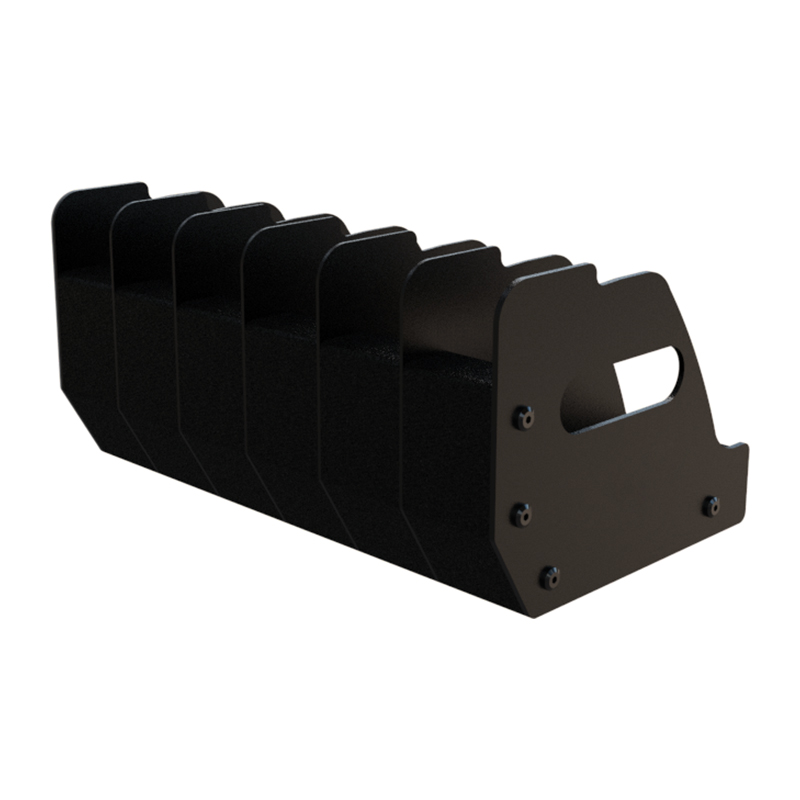
Fire resistance is only useful if the safe holds what you need. Capacity is listed in cubic feet, but shelving, racks, and lighting take up space. Measure your largest folders, or count the longest rifle and allow room for optics. A safe that is packed too tightly can block airflow and make humidity control harder.
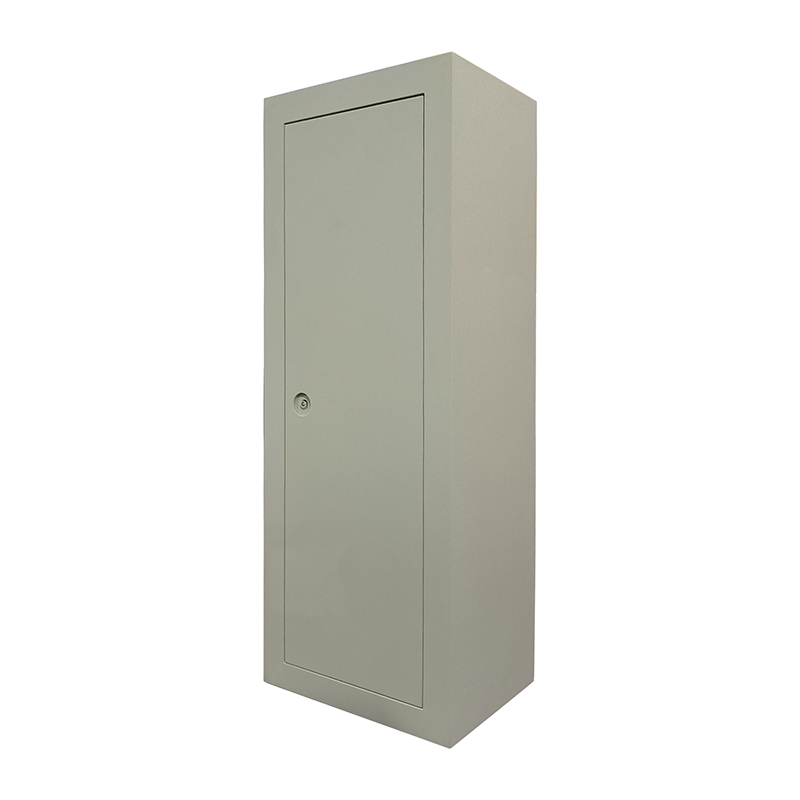
For long-gun storage, our FS series fireproof gun safes show how capacity and fire construction come together. The FS0116 16-gun fireproof gun safe is a compact option for a focused collection or smaller home.
 FS0116 16-Gun Fireproof Gun SafeA compact fireproof and anti-theft safe for up to 16 guns, with a customizable lock, adjustable shelves, and 45-minute fire protection.View Product →
The FS0136 36-gun fireproof gun safe offers more interior volume for rifles, shotguns, and accessories, making it easier to separate firearms from documents or other valuables.
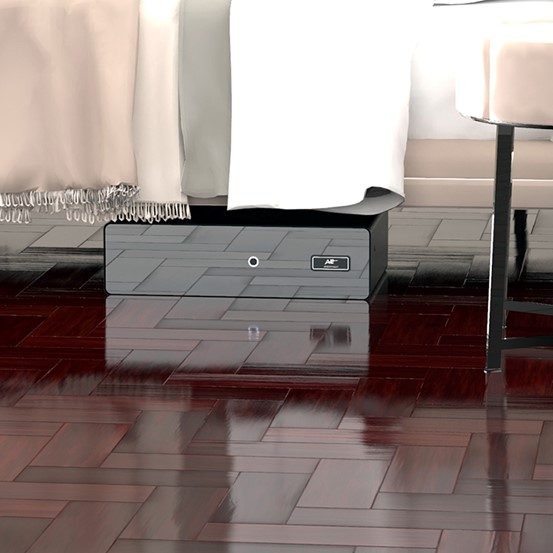 FS0136 36-Gun Fireproof Gun SafeA high-security fireproof safe for up to 36 long guns, offering more interior volume, electronic locking, and adjustable storage for firearms and valuables.View Product →
The FS0154 54-gun fireproof gun safe provides the highest capacity in this series. At this size, plan the location carefully so the door can open fully.
 FS0154 54-Gun Fireproof Gun SafeWith room for up to 54 long guns and 45-minute fire protection, this highest-capacity series model needs careful placement to allow full door opening.View Product →
These are examples, not a rule. A two-hour fireproof safe for documents may be smaller, while a safe for firearms needs more depth. The best model fits your contents without forcing a compromise on the fire rating.
Placement, Installation, and Maintenance
A fireproof safe works best when installed correctly. Avoid garages, sheds, and unheated spaces where humidity and temperature swings can damage the safe and its contents. Leave clearance around the safe, and do not block vents. Bolt it to a solid concrete floor or wall whenever possible. Anchoring prevents tipping during a fire and makes removal during a burglary much harder. If you want to understand how a safe is built before you buy, reviewing our manufacturing process can help you ask better questions about steel, insulation, and assembly.
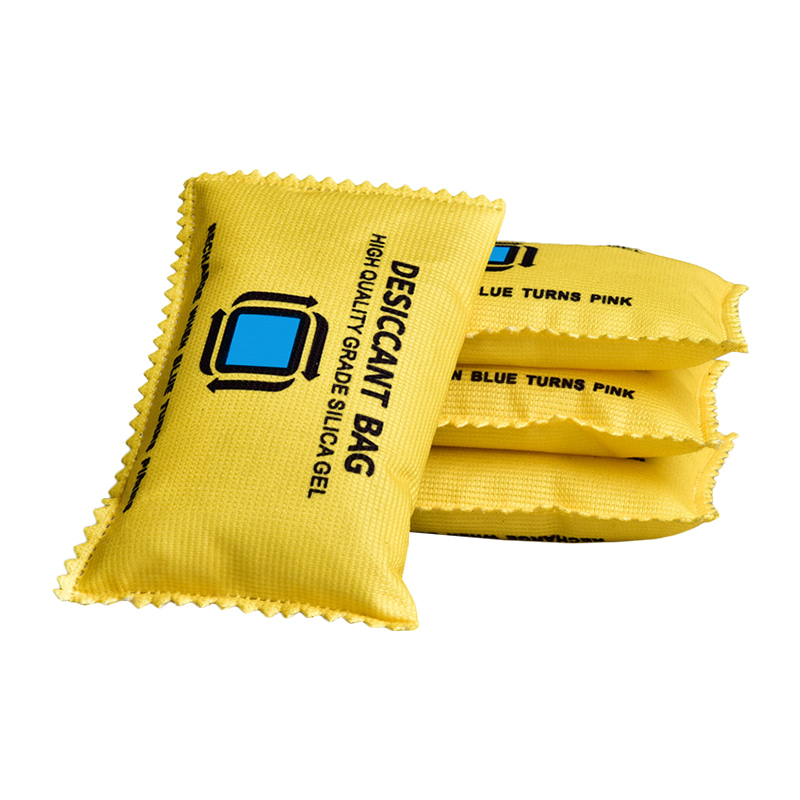
Maintenance protects the rating over time. Check the door seal every few months; it should be flexible and free of cracks. Lubricate hinges and bolts with a product that will not attract dust, and test the lock regularly. Humidity control is especially important for firearms, documents, and electronics. A rechargeable dehumidifier or dehumidifying bag can reduce moisture inside the safe, and a small log of when you recharge it will help you stay ahead of rust and mold.
Buyer's Checklist: How to Compare Two-Hour Fireproof Safes
When two safes both claim a two-hour rating, the differences are in the details. Use this checklist to compare them side by side.
| What to Check | Why It Matters | Warning Sign |
|---|---|---|
| Independent test label | Confirms the rating was verified by a recognized lab. | Only a marketing claim with no standard named. |
| Contents rating | Paper, media, and photographs have different temperature limits. | "Fireproof" used without saying what is protected. |
| Insulation type and thickness | Multiple layers slow heat transfer and improve endurance. | Thin walls with no insulation details. |
| Door seal | An intumescent seal expands to block heat and smoke. | No visible seal or a seal that feels brittle. |
| Steel gauge and bolt size | Heavier steel and larger bolts resist impact and prying. | Vague descriptions such as "military grade." |
| Capacity and layout | Interior space must fit your documents, firearms, or valuables. | Cubic feet listed without shelf or rack dimensions. |
| Lock reliability | Mechanical, electronic, or biometric locks behave differently in heat. | No backup access or no heat protection for electronics. |
Price is part of the decision, but it should not be the first filter. A lower-cost safe with a documented two-hour rating and a solid seal may serve you better than a heavy safe with unclear testing. A premium safe that is too small or difficult to access will not protect your valuables in practice.
Final Thoughts
The best 2 hour fireproof safe is the one that matches your real contents, your space, and your willingness to maintain it. Start with the rating documentation, then look at insulation, door seal, lock type, and capacity. Consider how it will be anchored and whether humidity control is needed. If you store firearms, choose enough depth and racking so you are not forced to leave items outside. If you store documents or media, confirm that the rating covers those materials. As a manufacturer, we believe a good safe should feel solid, operate smoothly, and give you confidence without exaggerated promises. If you have questions about fire ratings, capacity, or customization, our team is glad to help you find a practical fit.
-

Arnostanley Electric is committed to providing customers with home security OEM and ODM services, as well as comprehensive professional solutions.
-
Product List
Pistol Safe Lock Box Gun Cabinet Home Safe Safe Accessories Product Customization -
Contact Info.
+86-(0)574-6248 327+86-180 6720 2630Lucas_zhu@arnostanley.comNo.16 Beixing East Road, Yuyao City, Zhejiang Province, China -
Follow Us
Copyright © 2025 Ningbo Arnostanley Electric Co., Ltd. ALL Rights Reserved.
Custom Secure Storage Solutions Suppliers
