


 English
  中文简体
中文简体 
 Home / News / Industry News / Can a certified fire-rated gun safe truly prevent ammunition "cook-off" and protect your firearms from extreme heat damage?
Industry News
Can a certified fire-rated gun safe truly prevent ammunition "cook-off" and protect your firearms from extreme heat damage?
2026-07-15
For firearm owners, responsible storage is not simply a matter of personal preference, it is a critical component of safety, security, and long term firearm care. Among the many storage solutions available on the market, the fire-rated gun safe with ammunition protection stands out as one of the most comprehensive options for households and collectors who want to protect both their firearms and their ammunition from a wide range of potential threats. Combining fire resistance, secure locking mechanisms, and specialized ammunition storage features, this type of safe addresses several critical concerns at once, from accidental fire damage to unauthorized access and long term corrosion. Understanding how these safes are constructed, what protective features they offer, and how to select the right model can help firearm owners make an informed decision when investing in reliable, long term storage.
What Is a Fire-Rated Gun Safe with Ammunition Protection
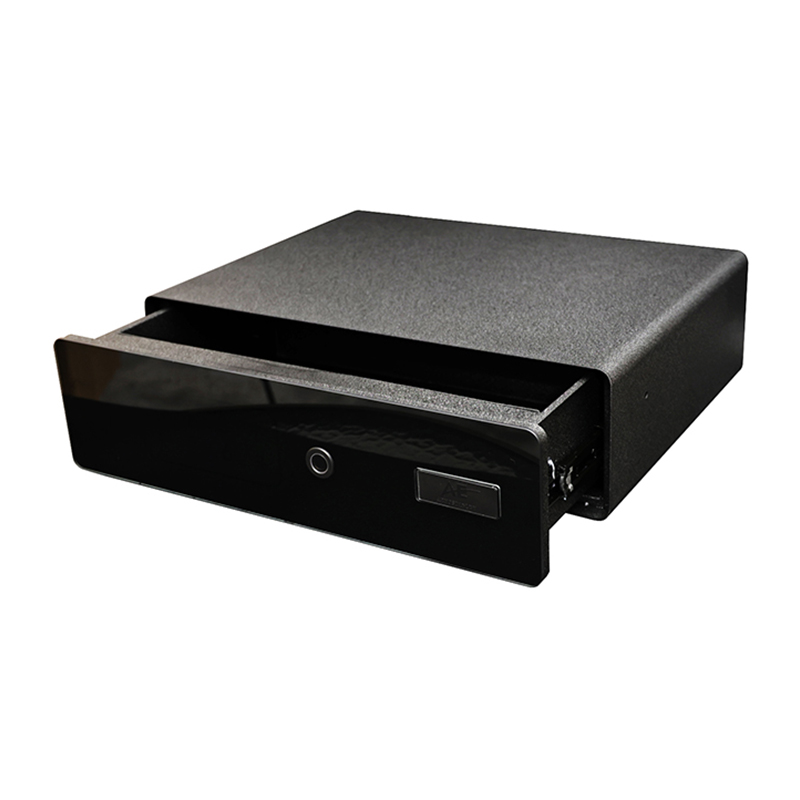
A fire-rated gun safe with ammunition protection is a secure storage unit specifically engineered to safeguard firearms and ammunition from multiple risks, including house fires, unauthorized access, and environmental damage such as humidity and corrosion. Unlike basic lockable cabinets or standard storage boxes, these safes are built with reinforced steel construction, specialized fire resistant insulation, and dedicated compartments or accessories designed to store ammunition safely and separately from firearms when needed.
The fire rating associated with these safes indicates the length of time and temperature threshold the unit has been tested to withstand during a fire event, typically expressed in minutes at a specific temperature, such as thirty minutes at a defined heat level. This rating provides firearm owners with a clear benchmark for understanding how much protection the safe can realistically offer during an actual fire emergency, giving them confidence that their firearms and ammunition have a meaningfully increased chance of surviving intact even if a fire occurs within the home.
Fire Resistance Construction and Technology
The fire resistance capability of a quality gun safe depends heavily on its construction materials and design. Most fire-rated safes utilize a combination of thick steel body panels and specialized fire resistant insulation layered between the interior and exterior walls of the safe. This insulation, often composed of composite materials engineered to release moisture and resist heat transfer, helps keep the internal temperature of the safe significantly lower than the surrounding fire temperature, protecting the contents from the extreme heat that would otherwise damage firearms, ammunition, and other valuables stored inside.
Door seals also play an important role in fire protection. Many fire-rated gun safes incorporate expanding heat activated seals around the door frame, which swell when exposed to high temperatures, effectively closing off any small gaps and preventing smoke, flames, and heat from penetrating the interior compartment. This sealing mechanism works in conjunction with the insulated body to create a more complete barrier against fire damage, further extending the amount of time the internal contents remain protected during a fire event.
Fire ratings can vary considerably between different safe models, and buyers should pay close attention to the specific testing standards and conditions associated with a given rating. Some manufacturers test their safes under controlled laboratory conditions that closely simulate residential fire scenarios, while ratings can differ based on the certifying body and testing methodology used. Understanding these details helps buyers compare safes more accurately and select a model that offers a genuinely reliable level of fire protection for their specific needs.
Key Fire Protection Features
- Reinforced steel body construction for structural integrity under heat
- Fire resistant composite insulation layered within the safe walls
- Heat activated expanding door seals to block smoke and flame intrusion
- Independently tested fire rating indicating time and temperature resistance
- Reinforced hinges and door frame to maintain seal integrity during exposure
Dedicated Ammunition Protection Features
Beyond fire resistance, a defining characteristic of these specialized safes is their attention to ammunition storage and protection. Ammunition presents unique storage challenges compared to firearms, since it can be sensitive to excessive heat, moisture, and physical impact. Many fire-rated gun safes with ammunition protection include dedicated ammunition storage compartments, drawers, or shelving specifically designed to organize and secure ammunition separately from firearms, helping owners maintain a more organized and accessible storage system.
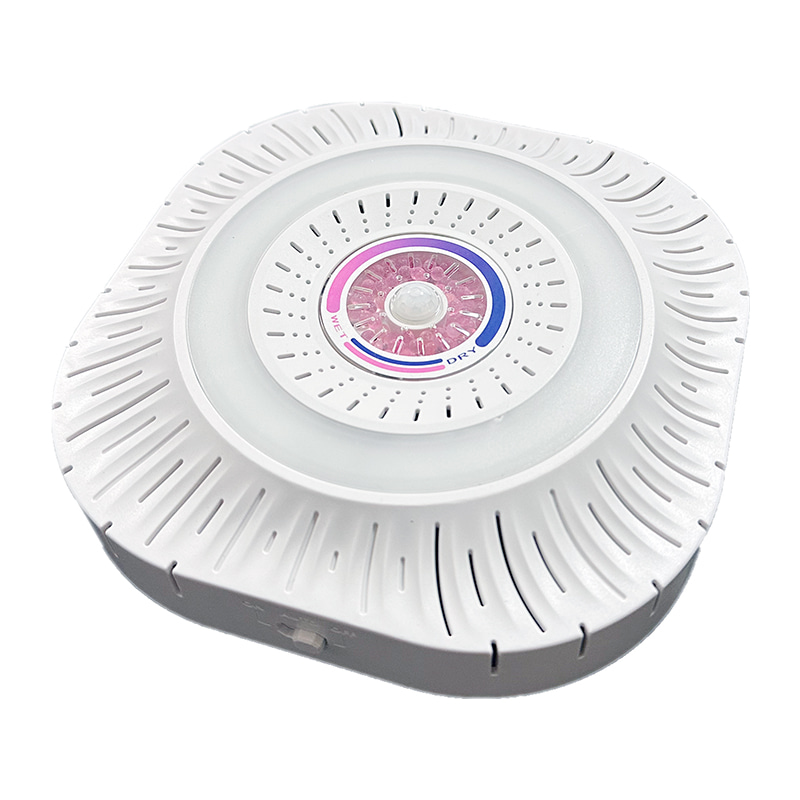
Moisture control is another important consideration for ammunition storage, since prolonged exposure to humidity can lead to corrosion of ammunition casings and potential degradation of propellant over time. Many quality safes address this concern by incorporating dehumidifying features, such as compatibility with electronic or passive dehumidifier units, along with tightly sealed door gaskets that help maintain a more stable internal humidity level regardless of external environmental conditions. This moisture control function works alongside the fire resistant insulation to create a storage environment that protects ammunition from multiple forms of long term damage, not just fire related risks.
Some advanced models also incorporate impact resistant ammunition storage trays or containers designed to prevent shifting or damage during transport or in the event the safe experiences significant physical impact, such as during a fire related structural collapse or an attempted forced entry. These specialized storage solutions reflect a broader design philosophy that treats ammunition protection as an equally important consideration alongside firearm security, rather than an afterthought within the overall safe design.
Security Features and Locking Mechanisms
While fire protection and ammunition storage are important, the fundamental purpose of any gun safe remains secure access control, ensuring that firearms and ammunition remain inaccessible to unauthorized users, including children, unauthorized household members, or potential intruders. Modern fire-rated gun safes typically offer a range of locking mechanism options, including traditional mechanical dial locks, electronic keypad locks, and biometric fingerprint scanning systems, each offering different combinations of convenience, speed, and security.
Electronic keypad locks have become increasingly popular due to their combination of quick access and strong security, allowing authorized users to enter a numeric code to unlock the safe rapidly during situations where fast access may be necessary. Biometric locking systems take this convenience further by allowing fingerprint recognition for near instant access, though these systems typically come at a higher price point and may require periodic battery maintenance to ensure reliable operation. Traditional mechanical locks, while generally slower to operate, remain popular among buyers who prioritize long term reliability without dependence on batteries or electronic components.
Beyond the primary locking mechanism, security conscious buyers should also evaluate additional structural security features, including the thickness and quality of the steel body, the number and placement of locking bolts securing the door, and the overall pry resistance of the hinge and door frame design. High quality fire-rated gun safes often feature multiple locking bolts distributed across the door frame, significantly increasing resistance to forced entry attempts compared to safes relying on a single locking point.
Common Locking Mechanism Options
- Electronic keypad locks offering fast, code based access control
- Biometric fingerprint locks for near instant authorized entry
- Traditional mechanical dial locks for battery free reliability
- Multiple distributed locking bolts for enhanced pry resistance
- Reinforced hinge design to prevent forced door separation
Interior Organization and Storage Capacity
Interior layout and organization significantly influence how practical and user friendly a fire-rated gun safe with ammunition protection will be in daily use. Many models feature adjustable shelving, configurable firearm racks, and modular storage compartments that allow owners to customize the internal layout according to their specific collection size and storage preferences. Adjustable firearm racks are particularly valuable for owners with varying firearm lengths and styles, since fixed spacing may not efficiently accommodate a diverse collection.
Door mounted storage panels are another common feature, providing additional space for smaller items such as handguns, holsters, or accessories without consuming valuable interior shelf space. When combined with dedicated ammunition storage drawers or trays, this layered organization approach allows owners to maintain a well organized safe where firearms, ammunition, and accessories each have designated storage areas, reducing clutter and making it easier to locate specific items quickly when needed.
Storage capacity should be evaluated not only in terms of the number of firearms a safe can accommodate, but also in terms of overall usable interior volume once ammunition storage compartments, shelving, and accessory space are factored in. Buyers with growing collections or those who anticipate future storage needs should generally consider selecting a safe with somewhat greater capacity than their current requirements, since upgrading to a larger safe later can be significantly more costly and inconvenient than purchasing adequate capacity from the outset.
Placement, Anchoring, and Long Term Protection
The physical placement and installation of a fire-rated gun safe plays a significant role in its overall effectiveness. Most safes are designed to be anchored securely to the floor or wall structure using bolt mounting points included in the base or rear panel, and taking advantage of this anchoring capability significantly increases resistance against theft attempts involving safe removal. A properly anchored safe is considerably more difficult for intruders to relocate or tip over, adding an important additional layer of security beyond the locking mechanism itself.
Location within the home also affects both security and fire protection performance. Placing a safe in a location with reduced visibility from entry points can help avoid drawing unwanted attention, while considering the safe's proximity to potential fire sources, such as kitchens or areas with significant electrical wiring, may factor into placement decisions for owners particularly focused on fire risk mitigation. Basement or ground floor placement is often recommended due to structural weight considerations, though owners should always follow manufacturer guidelines and local building considerations when determining the most appropriate installation location.
Maintenance and Long Term Care
Ongoing maintenance helps ensure that a fire-rated gun safe with ammunition protection continues to perform reliably throughout its service life. Regular lubrication of locking mechanisms and hinges helps maintain smooth operation and prevents mechanical wear that could otherwise compromise locking reliability over time. For safes equipped with electronic locks, periodic battery replacement according to manufacturer recommendations helps avoid unexpected lockouts and ensures consistent access when needed.
Monitoring and maintaining internal humidity levels remains an important ongoing task, particularly for owners storing ammunition long term within the safe. Utilizing dehumidifier accessories, whether electronic or passive silica based options, and periodically checking for any signs of moisture accumulation helps preserve both firearm finishes and ammunition integrity over extended storage periods. Additionally, routine visual inspection of door seals, hinges, and the overall exterior finish can help identify any developing issues before they progress into more significant maintenance concerns, supporting the long term reliability and protective performance of the safe.
Selecting the Right Fire-Rated Gun Safe for Your Needs
Choosing the right safe involves balancing several important factors, including fire rating duration and tested temperature threshold, overall storage capacity, locking mechanism preference, and specific ammunition protection features relevant to the owner's collection and storage habits. Buyers should carefully review manufacturer specifications and independent testing certifications to ensure the fire rating claims align with recognized industry testing standards, rather than relying solely on marketing descriptions.
Budget considerations naturally play a role in the selection process, and buyers should recognize that higher fire ratings, thicker steel construction, and advanced locking mechanisms generally correspond to increased cost. However, given the significant value of protecting firearms, ammunition, and other valuables from both fire damage and unauthorized access, many owners find that investing in a quality fire-rated gun safe with dedicated ammunition protection features provides meaningful long term peace of mind that justifies the associated cost, particularly when compared to the potential financial and safety consequences of inadequate storage.
Key Selection Criteria
- Independently certified fire rating duration and temperature threshold
- Dedicated ammunition storage and moisture control features
- Locking mechanism type suited to access speed and reliability needs
- Interior storage capacity and configurable organization options
- Anchoring capability and suitable installation location
A fire-rated gun safe with ammunition protection offers a comprehensive storage solution that addresses multiple risks facing responsible firearm owners, from accidental fire damage to unauthorized access and long term environmental deterioration. By combining reinforced fire resistant construction, dedicated ammunition storage features, and reliable locking mechanisms, these safes provide a well rounded approach to firearm and ammunition security. Careful evaluation of fire ratings, storage capacity, security features, and proper installation practices allows owners to select a safe that meets their specific needs, ultimately supporting both the safety of their household and the long term preservation of their firearms and ammunition investment.
-

Arnostanley Electric is committed to providing customers with home security OEM and ODM services, as well as comprehensive professional solutions.
-
Product List
Pistol Safe Lock Box Gun Cabinet Home Safe Safe Accessories Product Customization -
Contact Info.
+86-(0)574-6248 327+86-180 6720 2630Lucas_zhu@arnostanley.comNo.16 Beixing East Road, Yuyao City, Zhejiang Province, China -
Follow Us
Copyright © 2025 Ningbo Arnostanley Electric Co., Ltd. ALL Rights Reserved.
Custom Secure Storage Solutions Suppliers
