


 English
  中文简体
中文简体 
 Home / News / Industry News / Can a TSA-Compliant Portable Combination Lock Box Truly Elevate Your Travel Security and Firearm Safety?
Industry News
Can a TSA-Compliant Portable Combination Lock Box Truly Elevate Your Travel Security and Firearm Safety?
2026-07-08
Traveling with a firearm requires more than good intentions. It requires the right equipment, a clear understanding of federal regulations, and a mindset that treats safety as a form of everyday wellness rather than an inconvenience. A TSA compliant portable gun lock box sits at the center of this process. It is the single piece of gear that determines whether a firearm owner arrives at their destination with peace of mind or spends the trip anxious about legal exposure, theft, or accidental access. This guide explores what these lock boxes are, how they work, why they matter for both physical security and mental wellbeing, and how to choose one that fits your lifestyle.
What Is a TSA Compliant Portable Gun Lock Box
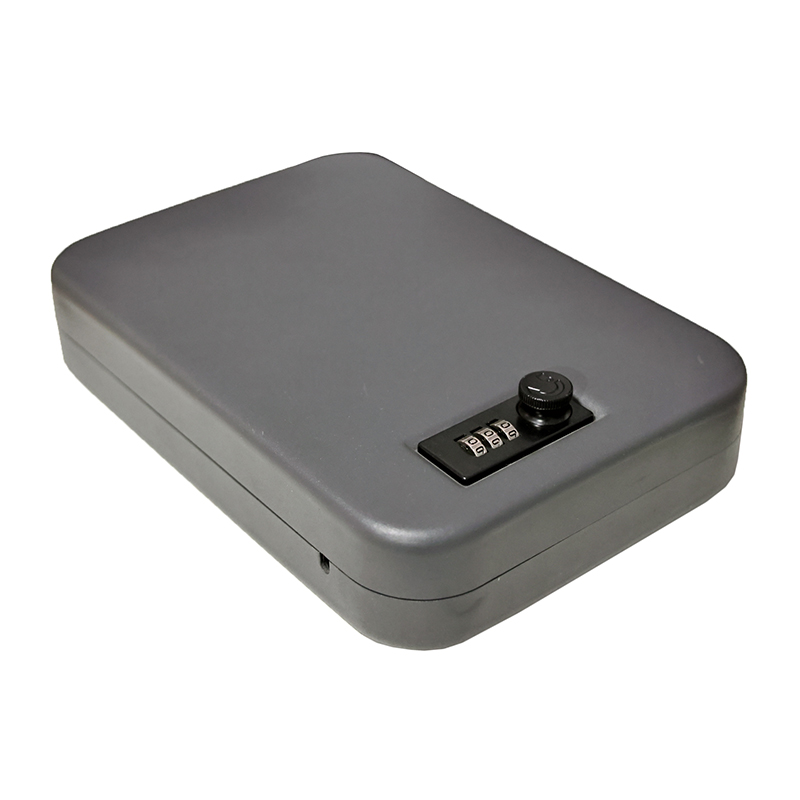
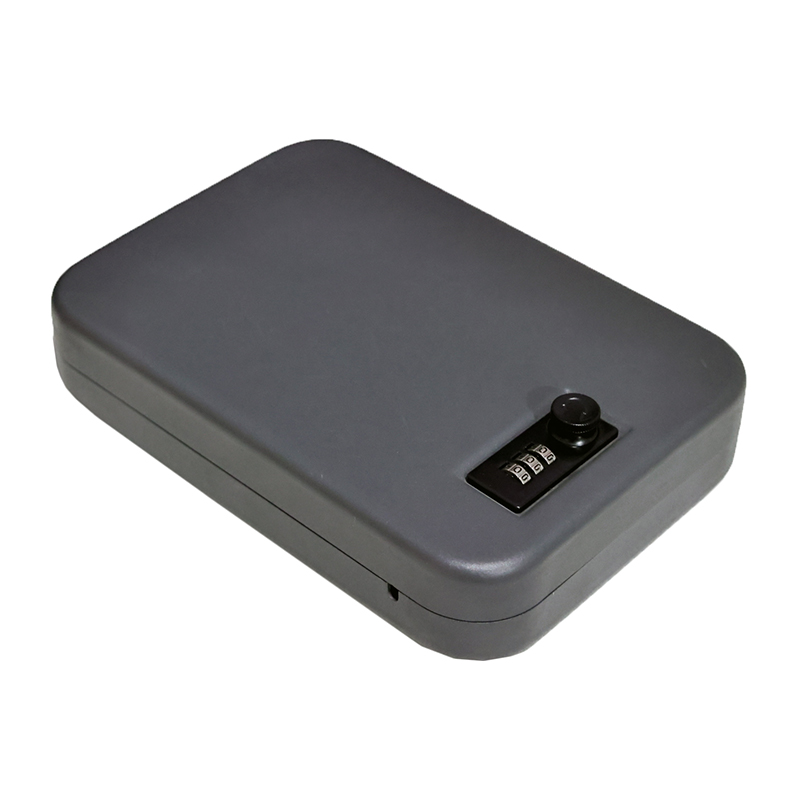
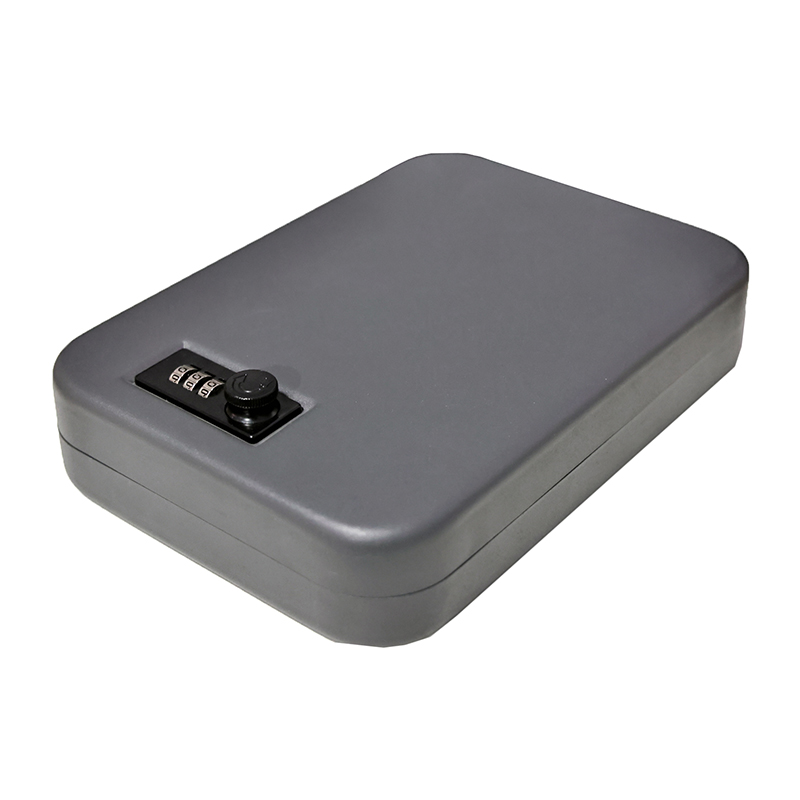
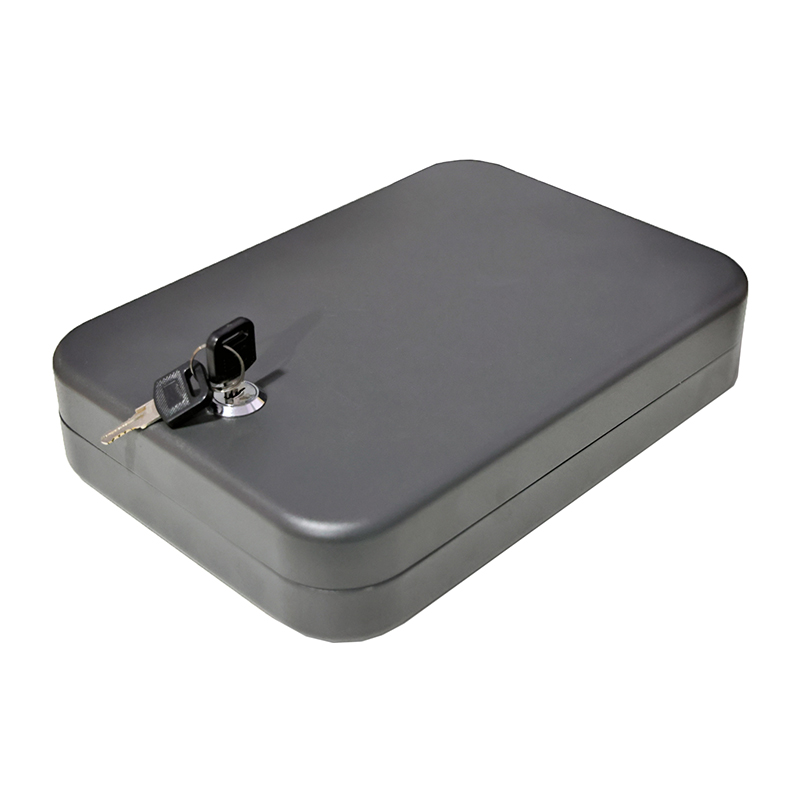
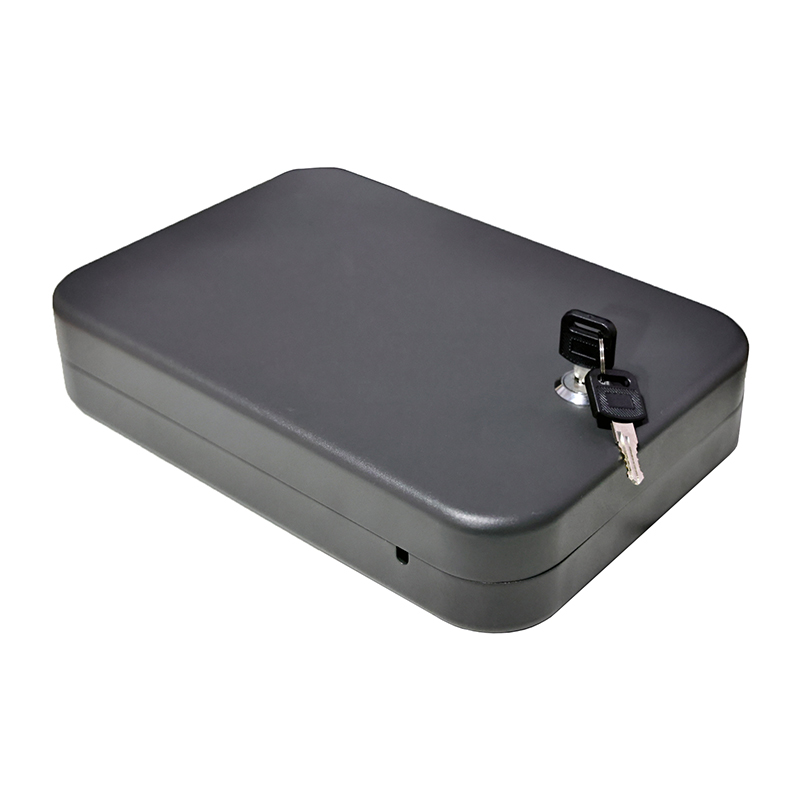
A TSA compliant portable gun lock box is a small, rigid, lockable container designed to hold an unloaded firearm and, in many cases, a limited amount of ammunition, in a manner that satisfies the Transportation Security Administration guidelines for checked baggage. Unlike a soft holster or a simple zippered pouch, these boxes are built from hard materials such as reinforced polymer, aluminum, or steel, and they include a locking mechanism that only the owner can open. The purpose is twofold: to prevent unauthorized access during transit and to demonstrate to airline staff and security personnel that the firearm has been properly secured according to federal law.
The word portable is important here. Many gun safes are heavy, bulky, and meant to stay bolted to a closet floor. A portable lock box, by contrast, is designed to travel. It fits inside checked luggage, meets size and weight expectations for baggage handling, and can be moved from a vehicle to a hotel room to an airport counter without requiring a hand truck. This portability does not mean a sacrifice in strength. Reputable TSA compliant boxes are engineered to resist prying, drilling, and impact, even though they remain light enough for one person to carry comfortably.
Why TSA Compliance Matters for Air Travel
The TSA has specific rules regarding firearms in checked baggage. Firearms must be unloaded, declared to the airline at check in, and transported in a hard sided, locked container. Ammunition typically must be packed separately in its original packaging or in a container specifically designed for ammunition storage, although some lock boxes are built with internal dividers that allow both the firearm and a small amount of ammunition to be secured together, provided they remain properly separated within the case. Only the owner may retain the key or combination, meaning airline staff cannot hold a spare key on your behalf.
Failing to meet these standards can result in denied boarding, confiscation, fines, or in more serious cases, criminal charges depending on state and local law. A properly rated lock box removes this uncertainty. When a case is advertised as TSA compliant, it generally means the manufacturer has designed the box with these federal requirements in mind, including a hasp or locking point strong enough to prevent easy tampering and a shell durable enough to survive rough handling in an aircraft cargo hold.
Key takeaway: TSA compliance is not a badge that guarantees approval at every checkpoint. It is a baseline standard. The traveler is always responsible for confirming current airline policy and state law before flying, since requirements can vary by carrier and destination.
Core Features to Look For
Hard Shell Construction
The outer shell should be made of a rigid material that resists cracking under pressure. High density polymer is common because it is lightweight yet impact resistant. Aluminum and steel options exist for those who want maximum resistance to prying tools, though they add weight.
Reliable Locking Mechanism
Locks generally fall into a few categories: key locks, combination dials, electronic keypads, and biometric fingerprint scanners. Each has tradeoffs in speed, security, and convenience, which will be discussed in more detail later in this guide.
Foam Interior Padding
A well designed lock box includes custom cut foam or adjustable foam inserts that hold the firearm snugly in place. This prevents movement during transit, reduces wear on the firearm's finish, and absorbs shock if the case is dropped or jostled by baggage handlers.
Reinforced Hinges and Latches
Cheap hinges are often the weakest point of a lock box. Look for stainless steel or reinforced polymer hinges that are riveted rather than simply screwed into thin plastic.
Weather Resistance
Because these boxes travel through varied conditions, from hot cargo holds to rainy tarmacs, a gasket seal that keeps out dust and moisture adds meaningful protection.
Compact and Lightweight Design
Since airlines often weigh checked baggage as a whole, a lock box that adds excessive weight can eat into your luggage allowance. Manufacturers increasingly balance strength with a lighter overall build.
Types of Portable Gun Lock Boxes
| Type | Best For | Typical Lock Style | |
|---|---|---|---|
| Compact pistol case | Single handgun and small ammunition supply | Key lock or combination dial | |
| Full length rifle case | Rifles, shotguns, or hunting trips | Dual latch key locks | |
| Cable lock box | Attaching to a fixed object such as a vehicle seat frame | Combination cable lock | |
| Biometric lock box | Fast personal access at home or in a vehicle | Fingerprint scanner with key backup | |
| Multi firearm travel case | Transporting several firearms for competitions or extended trips | Reinforced hasp with padlock compatibility |
Choosing among these types depends heavily on your travel pattern. A hunter flying to a remote lodge with a rifle has different needs than a competitive shooter driving to a weekend match with several pistols. Matching the case type to the actual use case avoids paying for features you will never use, while ensuring the features you do need are not missing.
Lock Mechanisms Explained
Key Locks
Traditional and dependable. The main risk is losing the key, so many owners keep a spare in a separate bag or with a trusted travel companion.
Combination Dials
Convenient because there is nothing to lose, but the combination must be memorized and changed periodically for better security.
Electronic Keypads
Allow for quick access using a numeric code, often with a battery backup. These are popular for home use where speed matters, such as during a nighttime emergency.
Biometric Scanners
Use fingerprint recognition for near instant access. Many higher end models pair this with a mechanical key override in case the battery fails or the sensor misreads a fingerprint due to moisture or dirt.
Practical tip: When flying, biometric and electronic locks are still acceptable in most cases, but always carry a physical backup key or code written down in a separate secure location in case of battery failure during your trip.
Beyond the Airport: Everyday Use Cases
While the name emphasizes air travel, a TSA compliant portable gun lock box serves many purposes beyond the airport. It is equally useful for:
- Storing a firearm securely in a vehicle glove compartment or center console during a road trip
- Keeping a firearm inaccessible to children or visitors in a home with limited storage space
- Providing temporary secure storage while staying in a hotel or short term rental
- Transporting a firearm to a shooting range or hunting location by car
- Meeting insurance or landlord requirements that mandate locked firearm storage
This versatility is one reason these boxes have grown in popularity even among people who rarely fly with a firearm. The same qualities that satisfy TSA rules, namely a hard shell, a reliable lock, and a compact design, also make the box an excellent everyday storage solution.
The Wellness Dimension of Secure Firearm Storage
Firearm safety is often discussed purely in terms of legal compliance and physical security, but there is a wellness dimension that deserves equal attention. Living with unresolved anxiety about firearm safety, whether that anxiety stems from having children in the home, unpredictable house guests, or the general stress of travel, can quietly affect a person's mental and emotional health over time.
Chronic low level worry, even when it seems minor, contributes to elevated stress hormones, disrupted sleep, and a persistent sense of unease. Firearm owners who have not established a clear, dependable storage routine often report a background hum of concern, particularly if children, teenagers, or vulnerable family members share the household. This is not a criticism of firearm ownership itself, but rather an observation about how uncertainty in any part of daily life, including safety uncertainty, can erode overall wellbeing.
A dependable, portable gun lock box addresses this directly. Knowing that a firearm is locked, whether at home, in a vehicle, or in a suitcase thirty thousand feet in the air, removes a recurring source of low grade stress. This is closely related to concepts found in traditional wellness practices, where a sense of order, predictability, and control over one's environment is considered foundational to mental calm. Just as decluttering a living space or establishing a consistent sleep schedule supports emotional balance, establishing a consistent and secure method for firearm storage supports a similar kind of psychological steadiness.
Reduced Household Tension
Families with children benefit enormously from a visible, agreed upon system for firearm storage. When a locked box is part of the household routine, arguments and lingering tension about safety diminish. Partners who may have differing comfort levels around firearms often find that a secure lock box becomes a point of agreement rather than a point of friction, which supports healthier communication and reduces relational stress.
Travel Related Anxiety Relief
Air travel is already a source of stress for many people, involving security lines, schedule pressure, and unfamiliar environments. Adding uncertainty about whether a firearm is properly packed compounds that stress considerably. Travelers who arrive at the airport confident that their TSA compliant lock box meets every requirement tend to report a calmer overall travel experience. This calm carries forward into the trip itself, supporting better sleep, more present engagement with travel companions, and reduced irritability, all of which are recognized components of general wellness.
Sleep and Peace of Mind at Home
For firearm owners who keep a home defense weapon nearby, a lock box with a fast access mechanism, such as a biometric scanner, offers a balance between security and readiness. Knowing the firearm is both quickly accessible in an emergency and completely inaccessible to unauthorized hands supports more restful sleep. Poor sleep is strongly linked to reduced immune function, impaired mood regulation, and long term health decline, so even small improvements in nighttime peace of mind can have a meaningful ripple effect on physical health over time.
Wellness is often described as balance across physical, mental, and environmental factors. Responsible firearm storage fits squarely into the environmental category, since a secure and orderly living space is one of the most consistently cited contributors to reduced stress and improved daily functioning.
How to Properly Pack a Firearm for Air Travel
- Unload the firearm completely and verify the chamber is empty.
- Place the firearm into the foam lined interior of the lock box, ensuring it does not shift when the box is tilted.
- Pack ammunition separately according to airline policy, either in its original manufacturer packaging or in a container specifically designed for ammunition.
- Close and lock the box using your chosen mechanism, keeping the only key, combination, or fingerprint access with you personally.
- Place the locked box inside your checked luggage, surrounded by soft clothing to reduce movement during handling.
- Declare the firearm to the airline representative at the check in counter before your bag is accepted.
- Retain any documentation or declaration forms provided by the airline until you reach your final destination.
Reminder: Always check both the TSA guidelines and your specific airline policy before your trip, since procedures can differ slightly between carriers, and confirm the firearm laws of your destination state or country well in advance.
Maintenance and Long Term Care
A gun lock box is a piece of equipment that benefits from routine care, much like the firearm it protects. Over time, hinges can loosen, foam padding can compress, and locking mechanisms can accumulate dust or grit that affects performance. Establishing a simple maintenance routine extends the life of the box and ensures it performs reliably when needed most.
- Wipe the exterior shell periodically with a soft, dry cloth to remove dust and grime that can work into hinge mechanisms.
- Check the foam interior every few months for signs of compression or tearing, replacing it if the firearm no longer sits snugly.
- Test electronic or biometric locks regularly, replacing batteries proactively rather than waiting for a failure.
- Lubricate key locks with a small amount of dry graphite lubricant if the key begins to stick.
- Store the box in a moderate temperature environment when not in use, since extreme heat can warp certain polymer shells over time.
- Inspect the latch and hinge screws periodically, tightening any that have loosened from repeated handling.
Common Mistakes to Avoid
Assuming All Lock Boxes Are Airline Approved
Not every hard case on the market meets TSA standards. Some are designed purely for home storage and lack the locking strength or size requirements needed for air travel. Always verify the manufacturer explicitly states compliance with current federal transport guidelines.
Sharing Access Codes
Federal guidelines require that only the firearm owner have access to the locked case during transit. Sharing a combination or spare key with airline staff, even temporarily, can violate this requirement.
Overpacking the Case
Forcing a firearm into an ill fitting case, or stuffing additional items around it, can compromise the padding and increase the risk of damage during handling.
Neglecting to Declare the Firearm
Even with a perfectly compliant lock box, failing to verbally declare the firearm at check in is a common and serious mistake that can lead to significant legal consequences.
Ignoring State and Local Laws at the Destination
TSA regulations govern the flight itself, but they do not override state or local firearm laws at your departure or arrival location. Always research these separately.
Choosing the Right Box for Your Needs
Selecting the ideal TSA compliant portable gun lock box comes down to matching the product to your specific circumstances. Consider the following questions before purchasing:
- How many firearms do you typically need to transport at one time
- Do you prioritize speed of access, such as for home defense, or maximum security for long distance travel
- Will the box need to fit within a specific piece of luggage or vehicle compartment
- Do you prefer a mechanical lock for simplicity or an electronic lock for convenience
- Is weather resistance a priority based on your typical travel destinations
- What is your budget, keeping in mind that higher security often comes with a higher price point
Answering these questions honestly leads to a far more satisfying purchase than simply choosing the most popular or least expensive option. A box that fits your actual lifestyle will be used consistently, which is the single most important factor in both legal compliance and personal peace of mind.
Frequently Asked Questions
Can I bring ammunition in the same box as the firearm
In many cases yes, provided the ammunition is properly separated within the case and packed according to airline and TSA guidelines. Always confirm current rules with your specific airline before departure.
Is a biometric lock secure enough for air travel
Yes, as long as it includes a reliable mechanical backup in case the electronic component fails, and as long as it meets the hard sided, lockable requirements set by the TSA.
Do I need a different lock box for checked baggage versus home storage
Not necessarily. Many portable lock boxes are versatile enough to serve both purposes, though dedicated home safes may offer additional features such as wall mounting that a travel focused box does not include.
What happens if TSA needs to inspect my locked firearm
You may be asked to unlock the case for a physical inspection at the airport before it is placed in your checked baggage. This is a normal part of the declaration process and should be expected, not avoided.
Final Thoughts
A TSA compliant portable gun lock box is far more than a regulatory checkbox. It represents a thoughtful investment in personal responsibility, legal compliance, and, importantly, everyday peace of mind. From reducing household tension around firearm safety to easing the stress of air travel and supporting better sleep through dependable home security, the benefits extend well into the realm of overall wellness. Choosing a well made box, understanding the relevant regulations, and maintaining consistent habits around its use will serve firearm owners well whether they are boarding a flight, packing for a hunting trip, or simply securing their home for the night. In the end, the goal is not just compliance with a set of rules, but the quiet confidence that comes from knowing safety has been handled properly, leaving more mental space for the things that truly matter.
-

Arnostanley Electric is committed to providing customers with home security OEM and ODM services, as well as comprehensive professional solutions.
-
Product List
Pistol Safe Lock Box Gun Cabinet Home Safe Safe Accessories Product Customization -
Contact Info.
+86-(0)574-6248 327+86-180 6720 2630Lucas_zhu@arnostanley.comNo.16 Beixing East Road, Yuyao City, Zhejiang Province, China -
Follow Us
Copyright © 2025 Ningbo Arnostanley Electric Co., Ltd. ALL Rights Reserved.
Custom Secure Storage Solutions Suppliers
