


 English
 中文简体

 Home / News / Industry News / Gun Cabinet vs Gun Safe: How to Choose the Right Firearm Storage for Home

Industry News
Gun Cabinet vs Gun Safe: How to Choose the Right Firearm Storage for Home
2026-11-11
Ask ten shooters whether a cabinet is enough and you will get ten answers, usually delivered with a fair amount of conviction. We build both product types in the same factory, so we tend to look at the question a little differently: a gun cabinet and a gun safe are not two rivals on a single quality scale. They are two tools built for different budgets, different rooms and different threats. This guide walks through where each one genuinely performs, where it falls short, and the handful of details that decide a purchase far more often than the price tag does.
The Short Answer: Two Different Jobs
A gun cabinet is a lockable steel cupboard. Its job is to keep firearms organised, out of casual hands and behind a lock. The body is commonly around 14 to 18 gauge steel, the door is usually lighter than the body of a safe, and the locking hardware is simple, such as a keyed cam lock or a basic three-point bar. There is no fire insulation and no serious claim of pry resistance.
A gun safe is built around resistance. Steel runs thicker, often 10 to 12 gauge on the door and body, and a set of live locking bolts engages on several sides. The wall cavity is packed with fire board, and an intumescent door seal swells under heat to hold back smoke and water. That is why a safe holding a dozen rifles can weigh well over 300 kg, while a cabinet of the same nominal capacity might weigh 40 kg.
One clarification is worth making early. Many products sold as gun safes in North America are technically Residential Security Containers, tested under UL 1037. That is not a marketing trick, it simply reflects how much steel and insulation you actually get at a given price. A true burglary-rated safe sits in a completely different cost bracket.
Gun Cabinet vs Gun Safe at a Glance
| Feature | Gun Cabinet | Gun Safe |
|---|---|---|
| Body steel | 14 to 18 gauge | 10 to 12 gauge |
| Locking bolts | 1 to 3 points | 6 to 12+ points |
| Fire insulation | None | 30 to 90 minutes typical |
| Weight, 12 gun size | 30 to 60 kg | 150 to 400 kg |
| Typical price band | Entry level | Mid to premium |
| Best suited to | Organisation, child safety, legal storage rules | Valuable collections, fire and theft risk |
What a Gun Cabinet Genuinely Does Well
Start with the things a cabinet is not trying to be. It is not a vault. What it does is solve the everyday problem most owners actually have: keeping rifles and shotguns upright, separated, visible at a glance and locked away from children, visitors and opportunistic hands. In several jurisdictions a locked steel cabinet is exactly what storage legislation asks for, and a heavy safe would be overkill or simply impossible to install.
Weight matters more than people expect. A cabinet can be carried up a narrow staircase by two people and moved again when you relocate. It also breathes. Because the body is not sealed and insulated, air moves through the interior, which tends to keep humidity closer to room level than in a tightly closed box. For a rental flat, a first collection or a workshop corner, that combination of low cost, low weight and decent organisation is genuinely hard to beat.
Our welded cabinets are a good example of the category done properly: a rigid welded frame rather than folded panels, a proper locking bar, and a powder-coated finish that survives a damp garage. You can browse the full range on our gun cabinet category page to see how capacities from 12 to 54 guns are laid out.
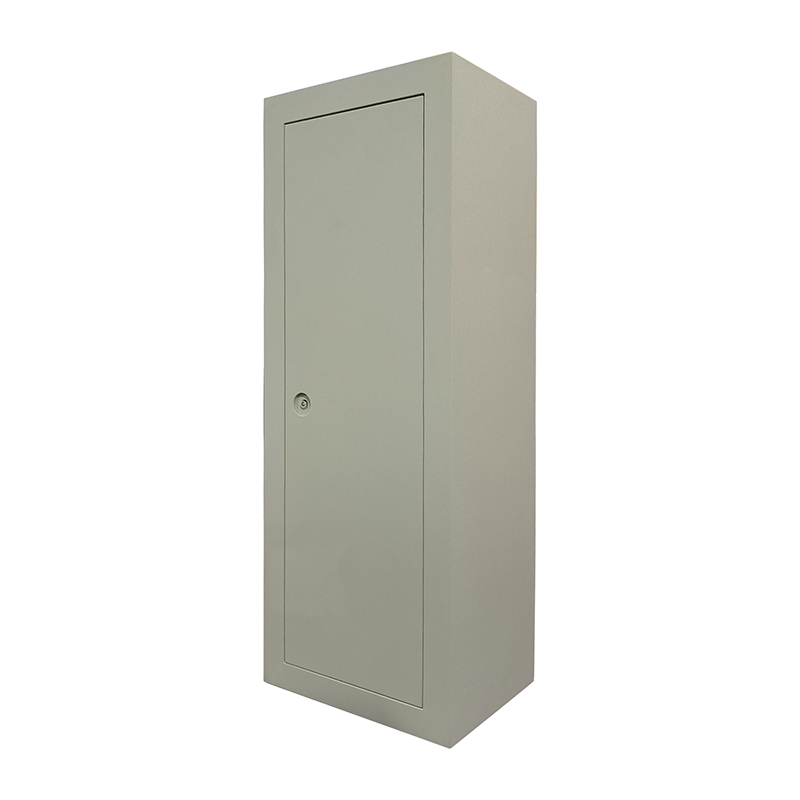 WC0112 12-Gun Welded Steel Gun CabinetWelded steel cabinet with key lock, adjustable shelf and racks for 12 firearms; review for organized storage, with clear limits against determined intrusion.View Product →
The honest limitation is time. A cabinet delays a casual intruder for a short while; it does not resist a determined one with tools. If your collection is valuable, or your insurance policy names a specific container standard, a cabinet will not satisfy that requirement.
Where a Gun Safe Earns Its Price
The extra money in a safe buys three things: mass, barriers and sealing. Mass comes from thicker steel and more locking bolts, and it makes pry attacks slow and loud. Barriers come from fire board, which is there to keep the interior below the temperature where wood stocks char and polymer parts deform. Sealing comes from that swelling door gasket, which also keeps smoke and firefighting water out.
Fire ratings deserve a plain explanation, because the numbers get oversold. A 30-minute rating is measured at a specific external temperature in a test furnace, not in your actual house. What it really buys you is time for the fire service to arrive, and a much better chance that the contents are still recognisable afterwards. A safe without a rating offers essentially none of that.
Anchoring matters as much as the steel. A safe that is not bolted down can be tipped and attacked at the door edge, and two people can carry a mid-size unit out of a house. Bolt it to a concrete slab or into solid timber framing with the hardware the maker supplies, and the same box becomes a very different problem to solve.
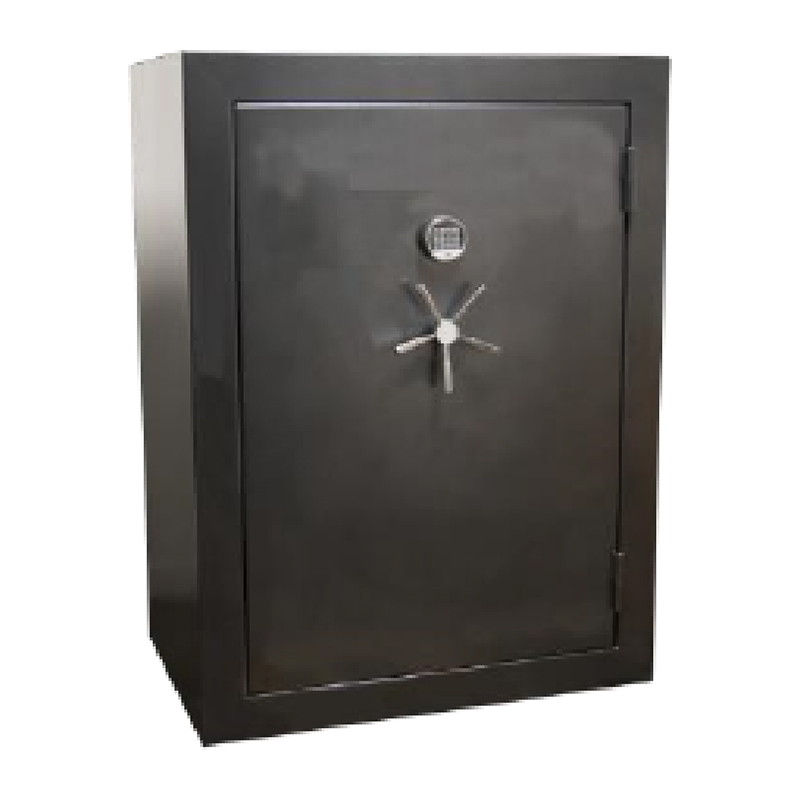
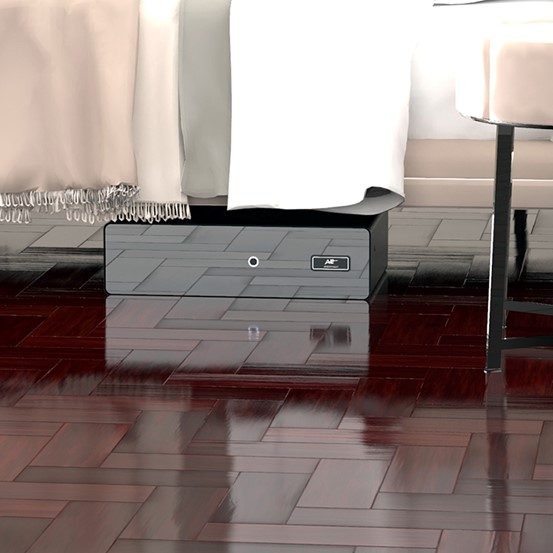 FS0124 24-Gun Fireproof Gun SafeA 24-gun safe with digital lock, fire protection up to 45 minutes at 1,200°F, and five live bolts; worth checking specifications and anchoring.View Product →
This is the segment where the specification sheet is worth reading line by line: gauge, bolt count and diameter, insulation thickness, and the exact rating standard. If two safes look identical from three metres away and the prices differ sharply, the difference is almost always inside the door.
Locks, Access and Daily Habits
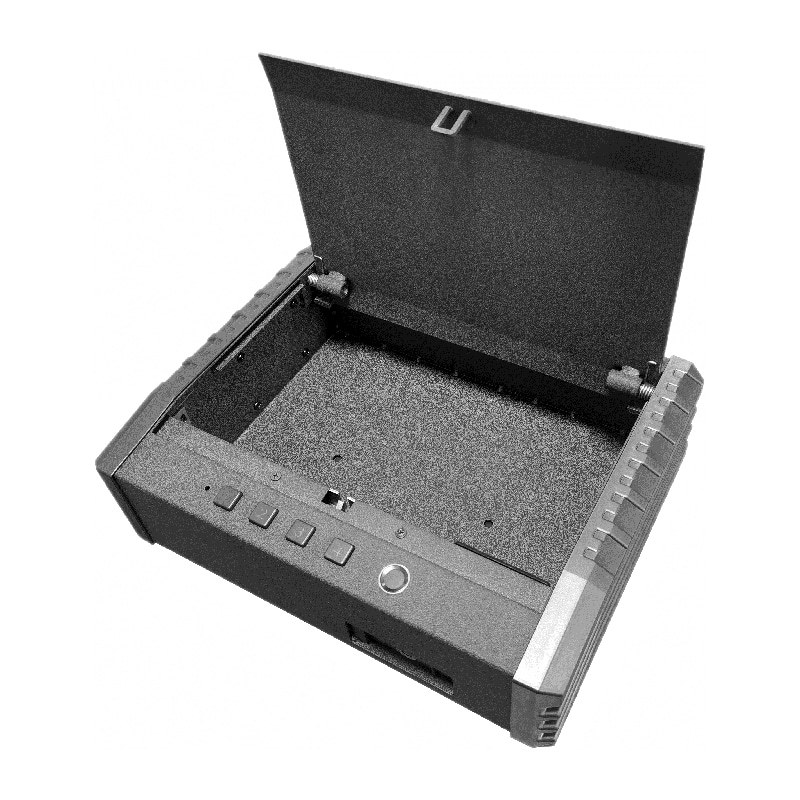
Lock choice divides the two categories in practice. Cabinets are usually keyed, which is cheap and reliable but puts the security of the whole unit on where you keep that key. Safes offer mechanical dials, keypads and biometric readers. A keypad is quick in the dark; a biometric reader is quickest of all, which is why it suits a bedside handgun box far better than a 24-gun safe in a basement.
Whatever the mechanism, plan for failure. Batteries go flat, fingers are wet and cold at two in the morning, and a forgotten combination can mean a locksmith. Look for an external power point or a mechanical override key, and test it once before you rely on it.
- Keep spare keys and override keys somewhere other than beside the cabinet.
- Store ammunition separately if local rules or your own household policy require it.
- Change keypad codes when anyone with access moves out or changes role.
- Record the serial number and photograph the interior layout for insurance.
Capacity, Humidity and Long-Term Care
Published capacity numbers flatter the product. A "24 gun" figure usually assumes slim rifles stacked tightly with no optics, no bipods and no slings. Once you add scoped rifles, you may fit two thirds of the stated number. Measure your longest firearm including the moderator or muzzle brake, then compare it with the interior depth and height, not just the width.
Humidity is the quieter issue. The foam lining found in many budget cabinets and safes holds moisture against blued steel, and a cold garage makes it worse. A rechargeable dehumidifier or a desiccant bag changed on a schedule does more for barrel life than an extra millimetre of steel. Internal racks help too, because they keep guns upright and off the floor, where condensation and dust collect.
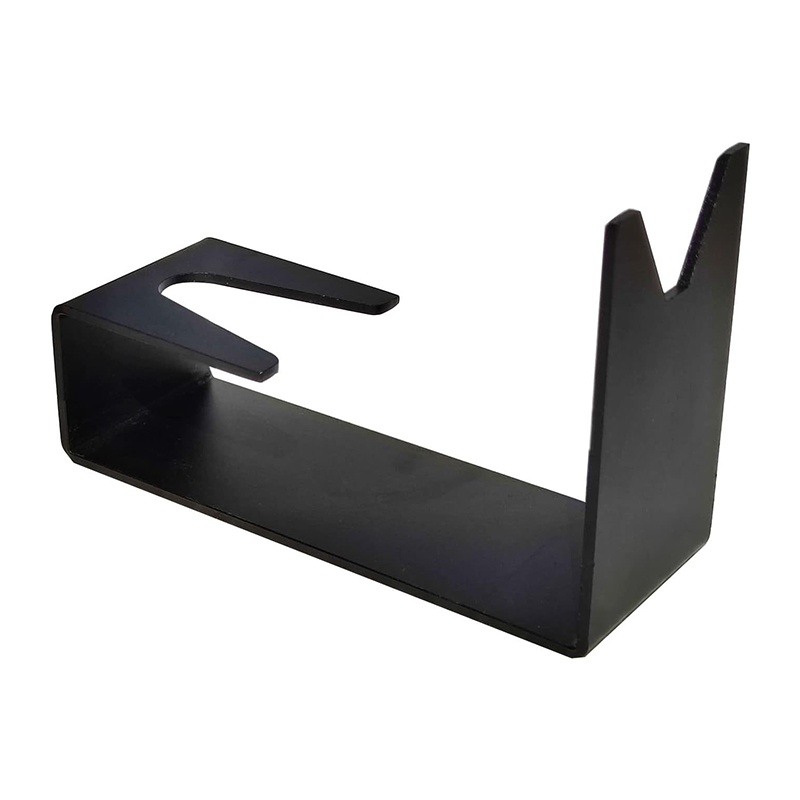
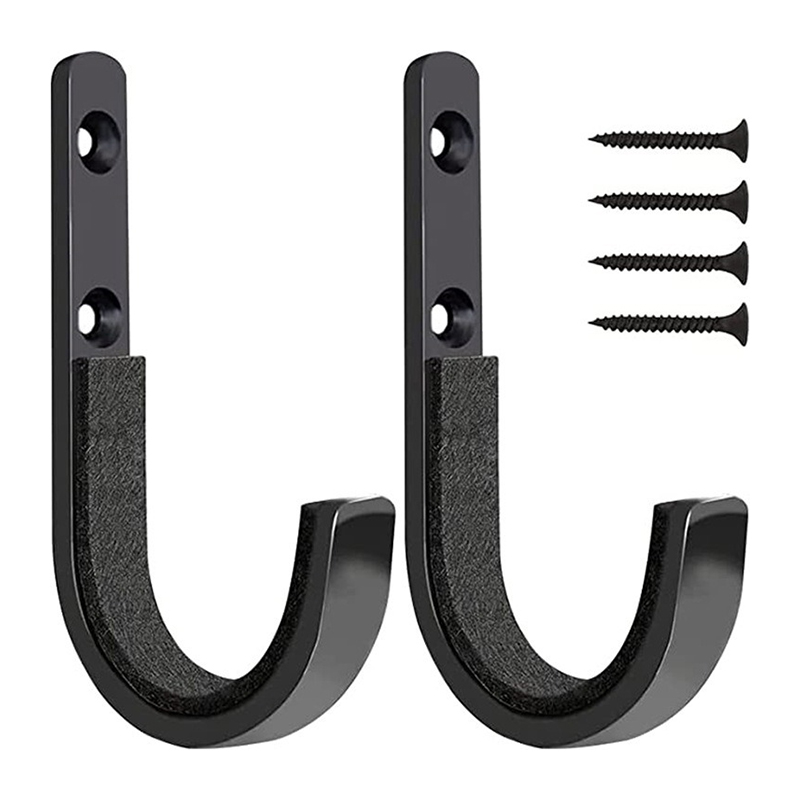 GR0310 Horizontal Rifle and Shotgun RackHorizontal steel rack with anti-rust powder coat and U-shaped hooks for rifles or shotguns; useful for organized mounting in cabinets, safes or walls.View Product →
Our own experience building both product types is that rust, not burglary, is what most owners actually end up fighting. Ten minutes spent on airflow and humidity control pays back for years.
Cost, Weight and Where It Will Stand
Before comparing prices, decide where the unit will live, because that decides what you can physically install. A safe on an upper floor needs a structural check, a route through doorways and usually professional delivery. A cabinet can go into a wardrobe, a workshop or a spare room without any of that planning.
Environment matters as well. A garage that swings between freezing and humid will punish any container, but a sealed safe with a gasket tends to trap that moisture inside unless you manage it. A well-ventilated cabinet in the same garage may stay drier. Neither answer is universal, which is why we ask customers about the room before we talk about gauge.
Finally, check what your insurer or local storage rules actually specify. Some ask for a locked container, others name a tested standard. Buying a cabinet when a rated safe is required is an expensive mistake, and buying a safe when a cabinet satisfies the rule is simply money left in your pocket.
How to Decide in Six Steps
- Name the threat you are defending against: children, visitors, opportunistic theft, fire, or a targeted break-in.
- Count what you own now and add room for roughly three years of growth.
- Measure your longest firearm with optics fitted, then compare interior dimensions.
- Choose the location and confirm the floor, the doorway route and the anchoring surface.
- Pick the lock around who needs access and how quickly, then plan for battery or key failure.
- Budget for anchoring hardware and humidity control, not just the box itself.
If the answers point to fire risk, valuable steel or an insurance requirement, a safe is the correct purchase. If they point to organisation, child safety and a tight budget in a rented flat, a good cabinet will serve you well for years.
Buying in Volume or Specifying a Custom Build
For distributors, dealers and brand owners, the cabinet versus safe question usually turns into a specification question. The same production line can deliver a welded 12-gun cabinet or a 54-gun fire-rated safe, and the differences that sell are often small ones: interior lining, shelf layout, door opening angle, lock brand, packaging and paperwork.
We have been manufacturing safes, gun cabinets and sheet metal enclosures since 2000, with laser cutting, CNC bending, welding, phosphating and powder coating all under one roof, working to ISO 9001 quality control. That vertical setup is what makes short-run custom work practical rather than theoretical. If you need a different gauge, a taller interior for long-barrelled rifles or your own branding on the door, the product customisation service is the place to start, and our team will tell you honestly when a standard model is the better answer.
The short version: a cabinet is a lock and a place for everything, and a safe is a barrier against heat, tools and time. Most owners eventually own one of each, a cabinet for the guns in weekly use and a safe for the ones that would hurt to lose. Buy for the risk you can actually describe, anchor whatever you buy, and keep the humidity down. Everything else is detail you can refine later.
-

Arnostanley Electric is committed to providing customers with home security OEM and ODM services, as well as comprehensive professional solutions.
-
Product List
Pistol Safe Lock Box Gun Cabinet Home Safe Safe Accessories Product Customization -
Contact Info.
+86-(0)574-6248 327+86-180 6720 2630Lucas_zhu@arnostanley.comNo.16 Beixing East Road, Yuyao City, Zhejiang Province, China -
Follow Us
Copyright © 2025 Ningbo Arnostanley Electric Co., Ltd. ALL Rights Reserved.
Custom Secure Storage Solutions Suppliers
