


 English
  中文简体
中文简体 
 Home / News / Industry News / Shotgun Quick Access Lock: A Buyer's Guide to Choosing Fast-Access Storage
Industry News
Shotgun Quick Access Lock: A Buyer's Guide to Choosing Fast-Access Storage
2026-09-02
Imagine a night-time bump in the hallway. You have a shotgun under the bed, but the trigger lock needs a separate key, and you cannot find it in the dark. That is the exact problem a quick access lock solves — and it is also why choosing the wrong one can create a false sense of security. The real decision comes down to three factors: how fast the lock opens, how consistently it works, and whether the safe actually fits a shotgun plus your home layout. Those three factors belong in every purchase decision, whether you are a first-time shotgun owner or a dealer evaluating a product line.
What Quick Access Actually Means for a Shotgun
Quick access refers to a lock mechanism that can be opened without a key or dial sequence, typically in one to three seconds. The most common designs are electronic keypads, biometric fingerprint readers, and dropdown cabinets that release the firearm by motion. For a shotgun, speed matters differently than for a handgun. A shotgun is long, so the lock must release the door or slide far enough to let you pull the barrel out without snagging. A top-entry or dropdown mechanism that works well for a pistol may simply not have the clearance for a 40-inch barrel. That is why the physical dimensions of the safe and the lock should be evaluated together.
Lock Types Compared: Biometric, Keypad, and Mechanical
Each lock type creates a different trade-off between speed, reliability, and access control. The table below summarizes the practical differences for shotgun storage.
| Lock Type | Best For | Main Drawbacks | Typical Response |
|---|---|---|---|
| Biometric | Home owners who need fast, no-hesitation access | Fingerprint failure with wet hands; batteries can die | 1-2 seconds |
| Electronic Keypad | Users who want a balance of speed and simplicity | Code can be watched; hard to use in darkness | 2-4 seconds |
| Mechanical Key Lock | Maximum reliability and no power dependency | Slow if the key is not near the safe | 3-6 seconds |
For a home-defense shotgun, biometric is the most popular choice because it minimizes delay. But a biometric lock is only as good as its sensor quality. Cheaper sensors can reject a partially sweaty thumb or struggle after a quick change in ambient light. A robust biometric lock will include a backup keypad or a physical override key. That creates a safety net if the sensor or battery fails. The same preventive logic applies to keypad and mechanical options, but the trade-off is speed versus predictability. If you prefer a fire-rated steel safe with an electronic lock, the FS0116 model at our factory is a proven configuration.
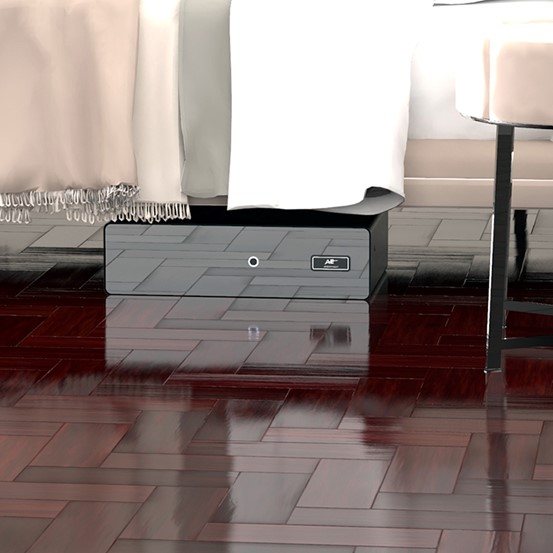 FS0116 Fireproof Gun Safe with 16-Gun Capacity and Fire RatingThis fireproof safe is rated for 1200°F for 45 minutes, featuring a 5-live-action bolt locking system and reinforced steel door jamb. Ideal for protecting firearms and valuables in a home defense setup.View Product →
Sizing and Interior Layout for Shotguns
A shotgun’s overall length is usually 37 to 48 inches, and many home-defense models run closer to 40 inches. That sounds simple, but interior partitions can eat length. A safe that advertises 16 inches of interior depth may still leave only 36 inches of usable clearance after the door and the shelf are considered. Always verify the actual internal length, not just the external height. The layout also matters. A horizontal rack is better for a shotgun than a vertical rack that requires lifting the barrel over a ledge. Many weld gun cabinets include removable shelves so you can arrange the interior for long guns. The WC0112 cabinet, for example, holds 12 long guns and comes with a solid welded steel body.
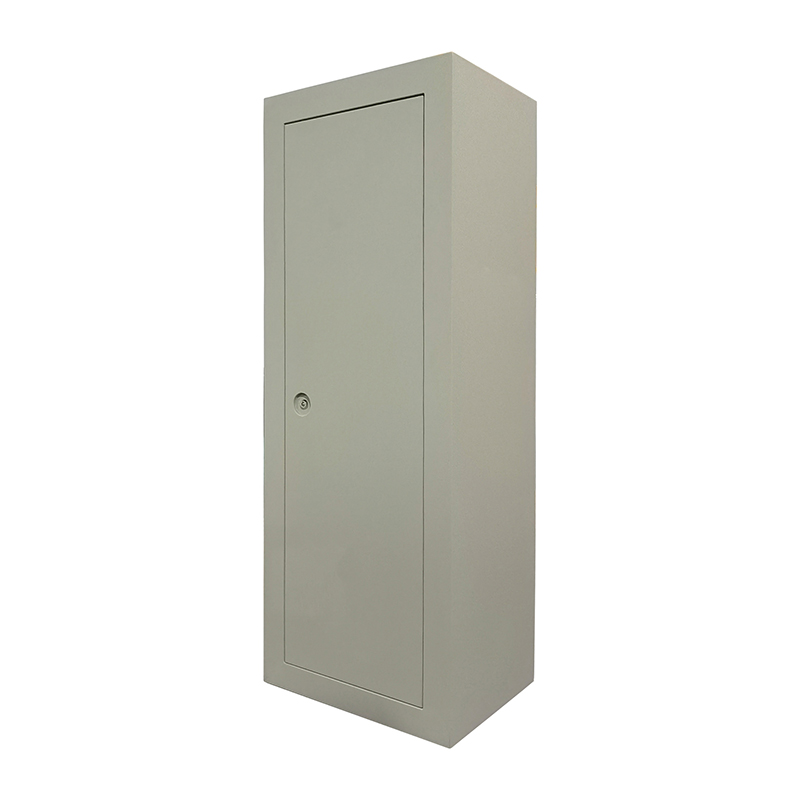 WC0112 Welded Steel Gun Cabinet for 12 Long GunsThis welded steel cabinet holds 12 long guns and includes removable shelves for flexible interior arrangements. Its solid construction suits home defense storage, with customization options available for lock and spacing.View Product →
If you need to fit multiple shotguns or want a custom interior arrangement, our production team can modify shelf spacing and add locks according to your quantity or dimension needs.
What to Look for in the Lock Mechanism Itself
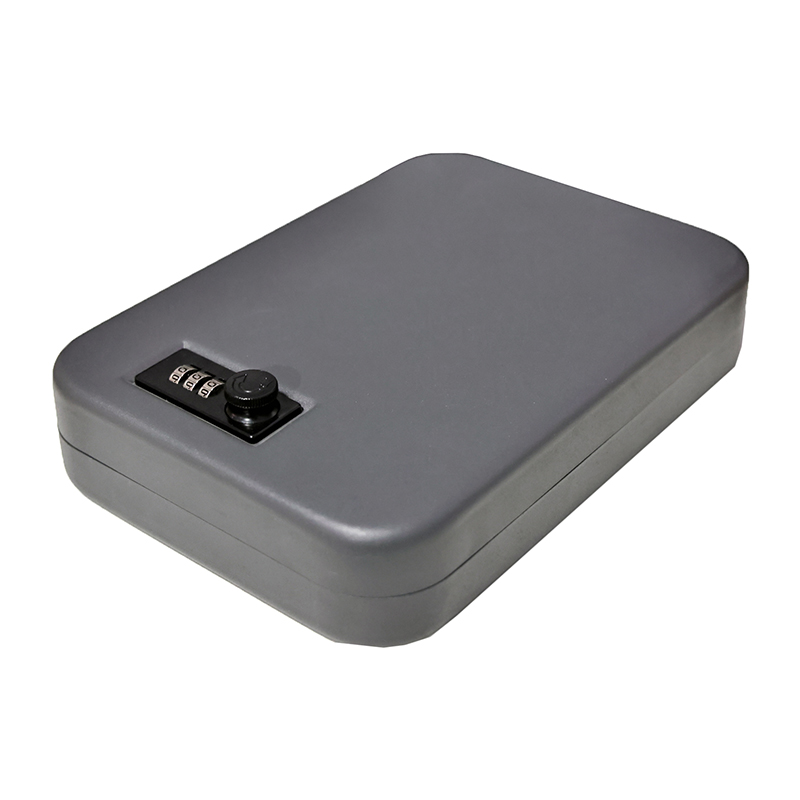
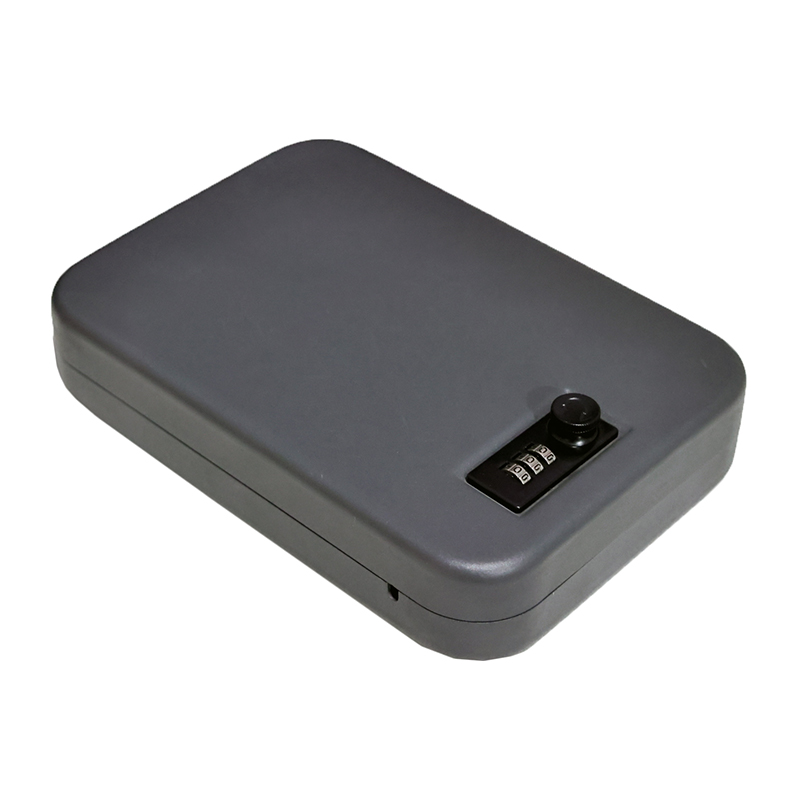
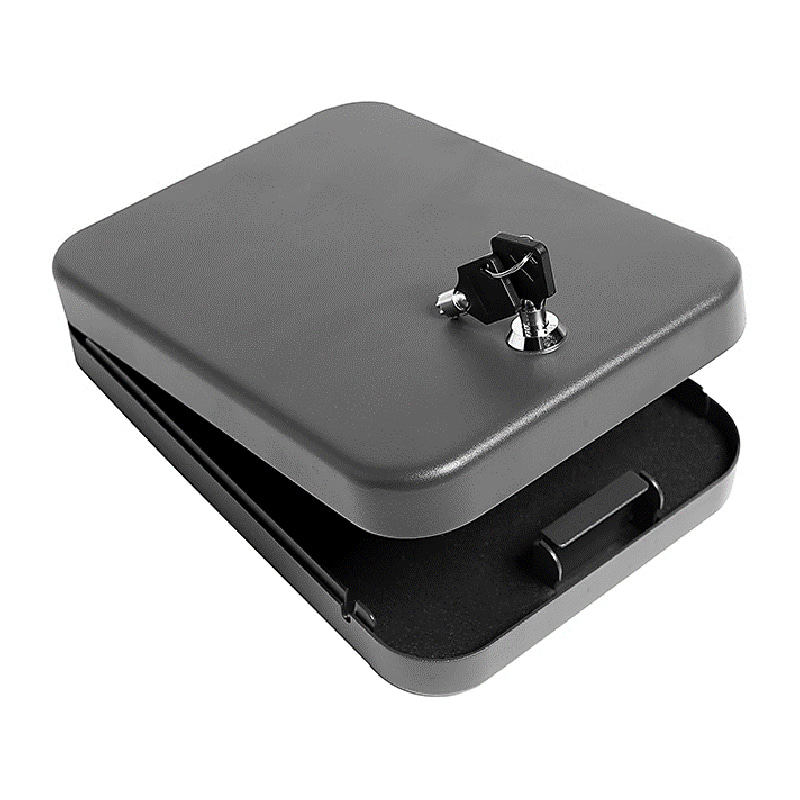
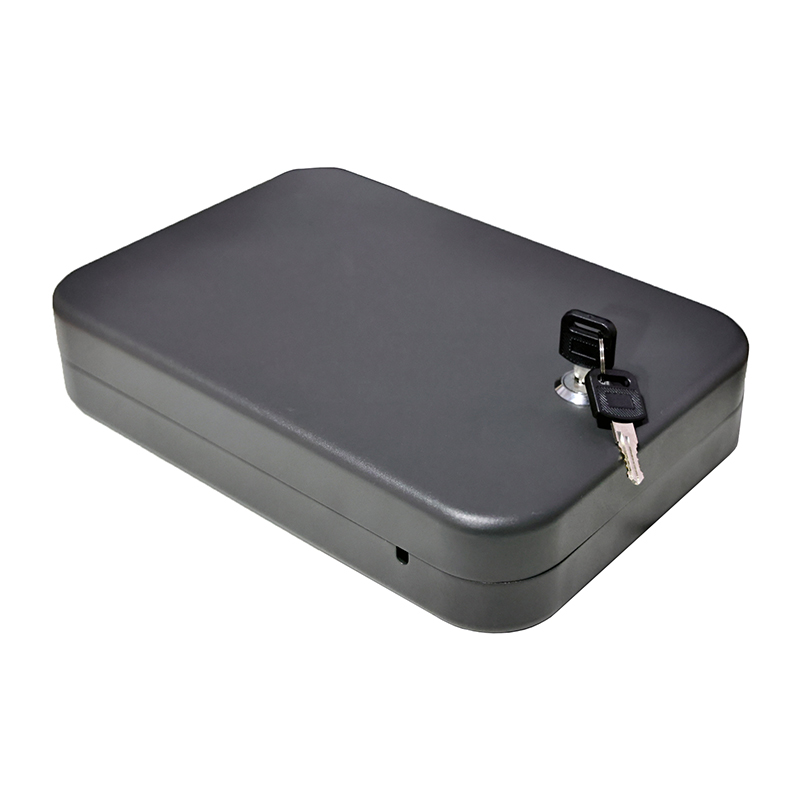
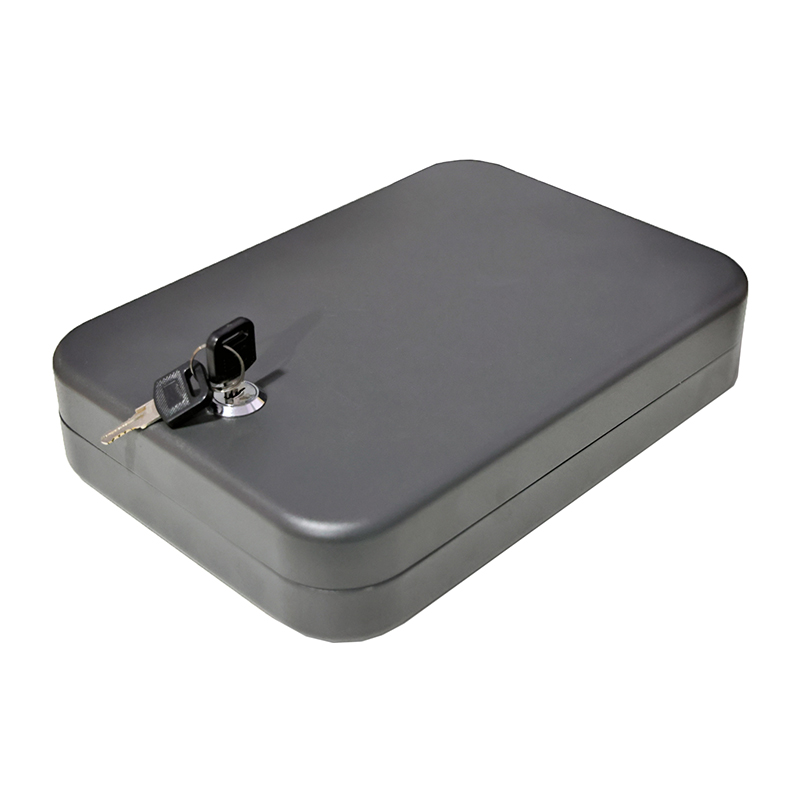
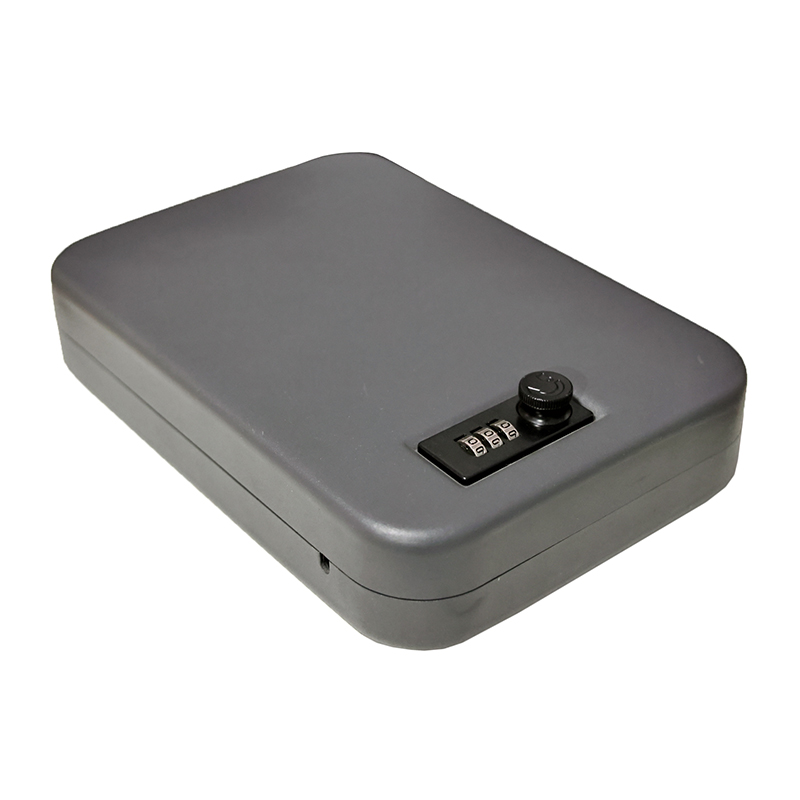
Beyond the type of lock, you need to examine the lock’s housing and its mounting. Cheap locks use a thin electrical solenoid that can burn out after repeated use. Look for a reinforced lock plate, a metal keypad housing, and the ability to change the battery without opening the door. A hidden keyway or external battery pack is a useful backup. Also consider how the lock performs when the safe is not bolted down. A lightweight quick access safe that can be picked up off the floor is a serious risk. The lock may be fast, but the whole box can be stolen. That is why a heavy welded cabinet or a safe with pre-drilled anchor holes matters more than the lock alone. Some users consider a combination lock box for a shotgun, but the typical box is too small for a long gun. The differences between these two product categories are covered in our guide to combination lock boxes.
Installation, Weight, and Real-World Placement
Placement is the most overlooked part of quick access. A shotgun safe that sits in a dark closet may be useless at night. The lock should be positioned so the whole door can open in a natural motion. You also need to consider floor space and wall clearance. A dropdown cabinet mounted on the wall saves floor space but needs a stud or masonry attachment. A floor-standing model is easier to install but needs a concrete pad or a lag-bolt kit. Fire-resistant models add weight, which is actually an advantage for security but can make transport and mounting more challenging. Planning for these issues before you buy saves a costly retrofit.
A Short Buying Checklist
- Verify the maximum internal length fits your longest shotgun.
- Test the lock mechanism with wet, dry, and dirty hands before final installation.
- Check that it has a backup key and an external battery option.
- Confirm the safe can be bolted to the floor or wall.
- Review the interior layout: horizontal racks are better for shotgun barrels.
- Look for a welded steel body or fire rating for added protection.
- Consider the weight and dimensions against your chosen room.
Step back and think about the moment you will actually use this lock. If the shotgun is meant for home defense, speed is the goal, but good security is the condition. A quick access lock that fails to open or gets stolen with the safe defeats itself. Start with a reliable biometric or keypad system, check the interior fit for long guns, and bolt the unit down. Those are the practical steps that turn a fast lock into a safe one.
-

Arnostanley Electric is committed to providing customers with home security OEM and ODM services, as well as comprehensive professional solutions.
-
Product List
Pistol Safe Lock Box Gun Cabinet Home Safe Safe Accessories Product Customization -
Contact Info.
+86-(0)574-6248 327+86-180 6720 2630Lucas_zhu@arnostanley.comNo.16 Beixing East Road, Yuyao City, Zhejiang Province, China -
Follow Us
Copyright © 2025 Ningbo Arnostanley Electric Co., Ltd. ALL Rights Reserved.
Custom Secure Storage Solutions Suppliers
